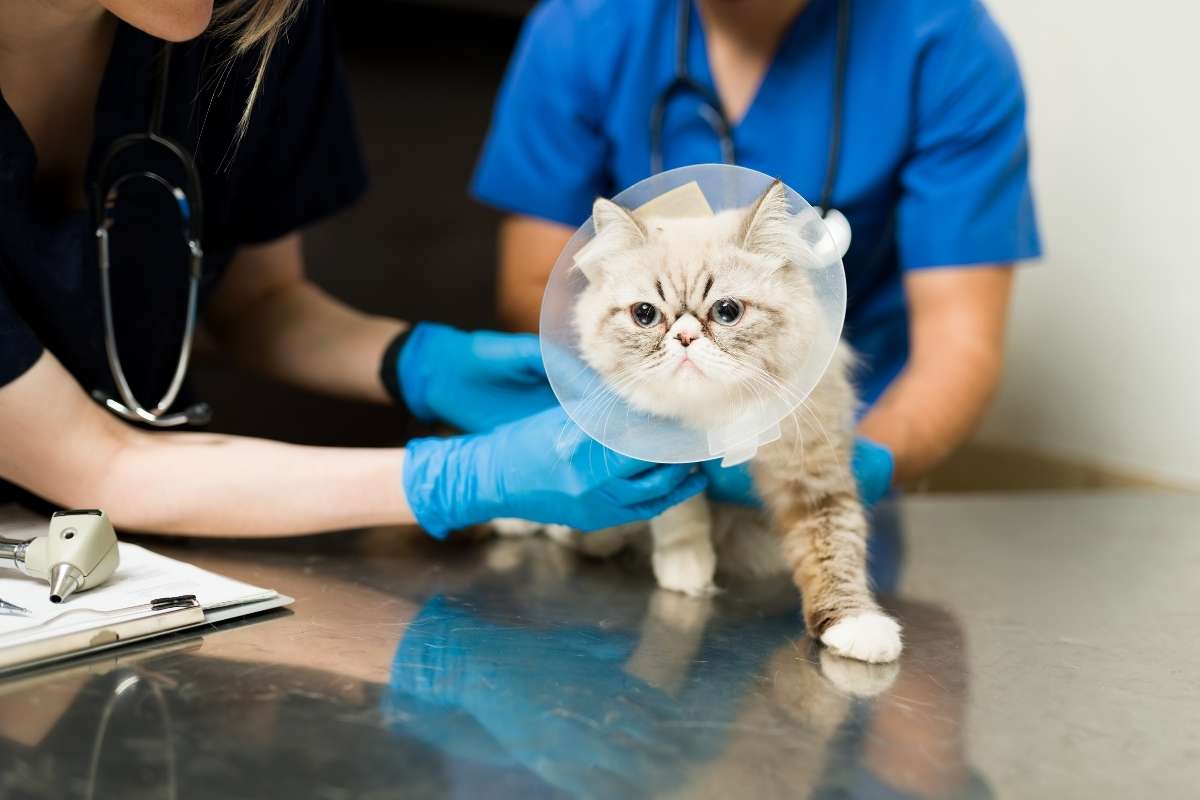
Bringing your female dog home after her spay surgery is often met with mixed feelings—relief that the procedure is done, but anxiety about the recovery process. You want to ensure she heals quickly, comfortably, and correctly. Understanding the timeline and recognizing normal versus abnormal signs is crucial for minimizing risks and complications. Fortunately, spaying (ovariohysterectomy) is a routine procedure, and the vast majority of patients recover without issue. This guide will detail the typical timeline for female dog spay recovery time so you know exactly what to expect in the coming weeks.
Understanding the Immediate Post-Operative Period
Spaying is a major abdominal surgery, which means the body needs dedicated time and care to mend. Most dogs are sent home the same day the surgery is performed, usually once they are fully alert and stable.
The First 24 Hours: Managing Discomfort
When your dog first returns home, she will likely be drowsy or disoriented due to the anesthesia. Pain medication, usually given before discharge and prescribed for the next few days, is vital for her comfort.
It is normal for dogs to cry or whine softly during this period, which can be disorienting for owners. Often, this is just residual grogginess or anxiety, not necessarily a sign of severe pain. Keep her calm, quiet, and monitor her breathing and gum color closely.
The Healing Timeline: Female Dog Spay Recovery Time
The entire process, from the external skin incision to the full strength of the internal tissue, takes several weeks.
Dog Spay Incision Healing Stages
The external incision site heals fastest. You should monitor the dog’s spay incision healing stages daily:
- Days 1–3 (Initial Swelling): Slight redness and mild swelling around the incision line are normal. A small amount of clear or pale pink discharge is acceptable.
- Days 3–7 (Tissue Knits): The incision should start to flatten and close. The edges should look neatly aligned.
- Days 10–14 (Suture Removal): If external skin sutures were used (which is less common now), they are typically removed by your vet during this period. The incision should be fully closed and dry.
When Internal Sutures Dissolve
The most critical part of the recovery involves the deeper tissues and the blood vessels that were tied off. These internal repairs take the longest to regain full strength. Typically, the internal sutures’ dissolving time is around four to five weeks, though healing time varies by age and size. During this period, the internal surgical sites are vulnerable to tearing, underscoring the necessity of strict rest.
Essential Post-Spay Care Activity Restrictions
Rest is non-negotiable for proper healing. The majority of complications stem from excessive activity.
Post-Spay Care Activity Restrictions: The First 14 Days
For the first two weeks, post-spay care activity restrictions must be followed diligently:
- Leash Only: All outdoor trips must be short, calm, and performed on a leash. No running, jumping, or rough play.
- No Stairs or Furniture: Prevent jumping onto couches, beds, or climbing full flights of stairs. Consider using ramps or physically carrying small dogs.
- Isolation: Separate your recovering dog from other household pets if they tend to play roughly.
If your dog requires high-level care, especially after major operations like a spay, and you are looking for experienced pet surgery in Farmington, NY, you should always choose a facility that emphasizes pain management and diligent post-operative monitoring.
Recognizing Trouble: Signs of Infection After Spay
While complications are rare, recognizing when to call your vet is essential.
When to Worry: Signs of Infection After Spay
Contact your veterinary clinic immediately if you observe any of these signs of infection after a spay or complications:
- Excessive Swelling: Swelling that increases after day three, is hot to the touch, or is significantly larger than a small marble.
- Discharge: Any thick, green, or foul-smelling discharge or continuous bleeding from the incision.
- Fever: Monitoring temperature after dog surgery is key. A temperature over 103.5°F (39.7°C) is a serious concern.
- Lethargy/Appetite Loss: Refusing to eat or drink for more than 24 hours, or appearing extremely weak or depressed.
Management Tools for a Smooth Recovery
Cone of Shame Alternatives
Preventing licking and chewing is vital. Chewing at the incision introduces bacteria and risks tearing the sutures, which could necessitate an emergency repair. While the traditional Elizabethan collar (cone) works, many owners search for cone of shame alternatives:
- Recovery Suits: These form-fitting, breathable garments cover the incision completely, acting as a soft physical barrier while allowing the pet to move more freely.
- Inflatable Collars: These donut-style collars are often more comfortable for sleeping and navigating the house, though they may not work for long-nosed breeds.
The two weeks following a spay procedure require vigilance and commitment, but they are absolutely worth the effort for your dog’s lifelong health. By strictly following the necessary female dog spay recovery time and adhering to activity restrictions, you ensure the incision—both internal and external—heals completely. The most crucial takeaway is: keep that incision clean and ensure your pet cannot lick it. For peace of mind and expert surgical aftercare advice, trust the team at Farmington Veterinary Hospital.
Frequently Asked Questions:
Q1: Is slight swelling around the incision normal during recovery?
Ans: Yes, mild swelling and slight bruising are common for the first few days as the body repairs itself. However, swelling should steadily decrease after day three; increasing, hot, or painful swelling should be reported to your veterinarian.
Q2: What is a normal temperature range for my dog after spay surgery?
Ans: A dog’s normal temperature is between 100.0°F and 102.5°F (37.8°C to 39.2°C). A mild elevation (up to 103.0°F) might occur right after surgery, but persistent high fever is a sign of infection or systemic trouble.
Q3: Can my dog pee normally immediately after the spay procedure?
Ans: Yes, most dogs resume normal urination patterns soon after waking up from anesthesia. If your dog hasn’t passed urine within 12 hours of returning home, contact your vet immediately, as this could indicate a rare but serious complication.
Q4: Do I need to clean the incision site during the female dog spay recovery time?
Ans: No. The incision should be kept clean and dry. Avoid bathing the dog for at least two weeks, and do not apply any ointments, peroxide, or alcohol unless specifically instructed by your veterinarian.
Q5: How soon can my dog eat and drink after being spayed?
Ans: Offer small amounts of water immediately upon returning home. Offer a small, light meal (about one-quarter of her normal portion) a few hours later. Full appetite should return within 24–48 hours.
Q6: When can my female dog return to the dog park or run freely?
Ans: Strict restriction is necessary for 14 days. After the two-week mark and a confirmed clear check-up by your veterinarian (often at suture removal), activity can be slowly and gradually reintroduced over the next week or two.