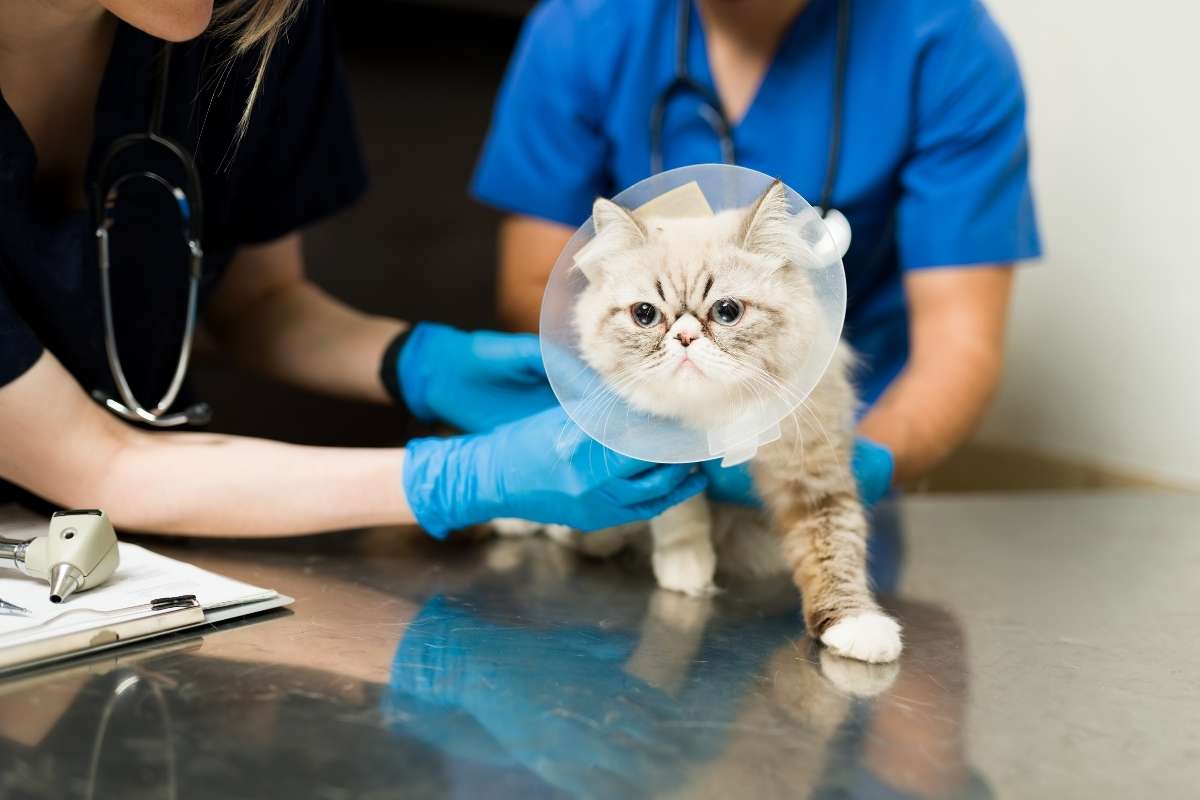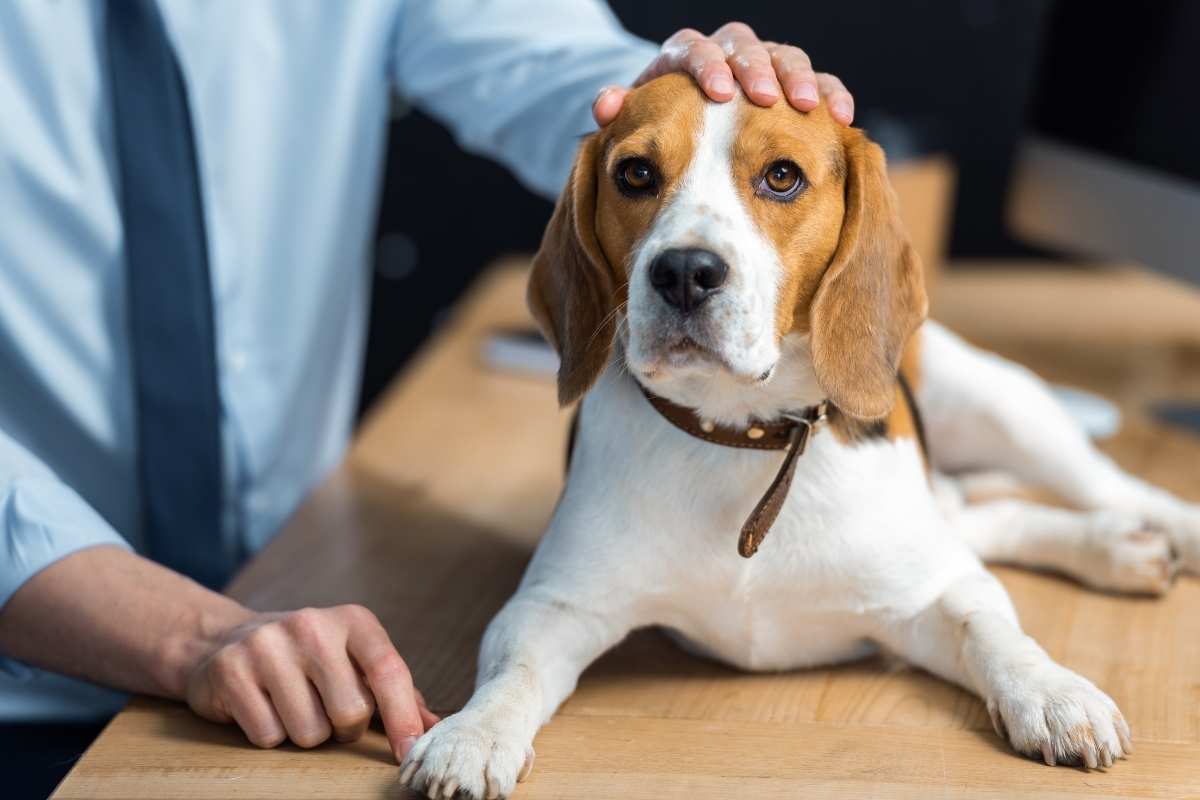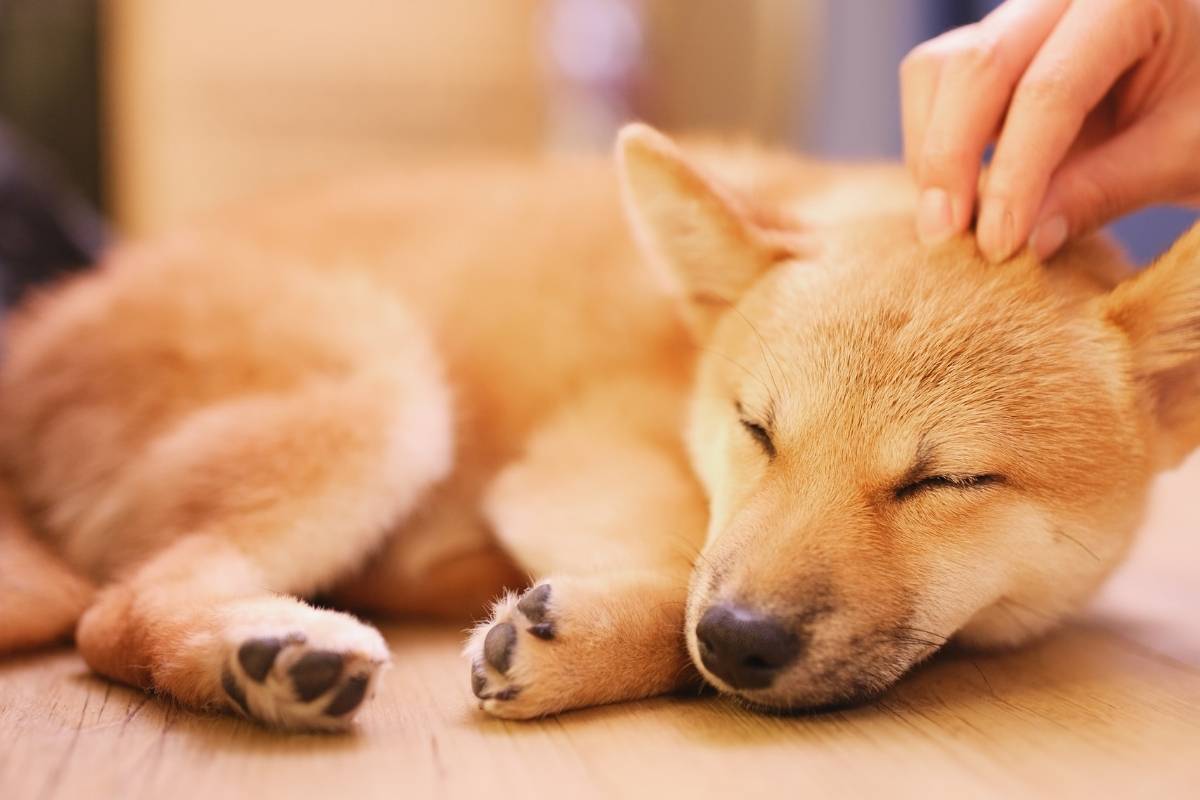
Surgery can be stressful for pets and their owners alike. Whether it’s a routine procedure or a more complex operation, preparation is key to ensuring your pet’s comfort, safety, and speedy recovery. By addressing both emotional and physical readiness, you can significantly reduce anxiety and support a successful surgical outcome. This guide is especially helpful for pet parents in Farmington, NY, who want their pets to have the best possible experience with veterinary surgery.
Understand the Procedure
Before surgery, take time to understand the procedure, including:
- What the surgery involves
- How long will it take
- Expected recovery timeline
- Potential risks and complications
Knowing these details helps you prepare both mentally and logistically. Moreover, asking questions shows how to choose the right vet and ensures your pet receives expert care.
Choose the Right Veterinary Team
Selecting a qualified and compassionate veterinary team is crucial. A skilled team not only performs the surgery safely but also provides guidance for pre- and post-operative care. When interviewing veterinarians, consider:
- Their experience with the specific procedure
- Credentials and certifications
- Communication style and willingness to answer questions
- Comfort level of your pet during visits
By choosing the right vet, you can reduce both your anxiety and your pet’s stress.
Prepare Your Pet Physically
Physical preparation helps minimize surgical complications and speeds recovery. Key steps include:
1. Follow Pre-Surgery Instructions
Your veterinarian may advise:
- Fasting for a specific period
- Limiting water intake before surgery
- Avoiding certain medications
Following these instructions ensures your pet’s safety during anesthesia.
2. Maintain a Healthy Weight
Excess weight increases surgical risk. Proper diet and light exercise leading up to surgery can make a significant difference.
3. Ensure Up-to-Date Vaccinations
Vaccinations help prevent infection, particularly when your pet’s immune system may be weakened post-surgery.
4. Check Vital Organs
Pre-surgery bloodwork and imaging allow your veterinary team to evaluate the heart, liver, kidneys, and other vital organs. Healthy organs reduce anesthesia risk.
Prepare Your Pet Emotionally
Pets pick up on your emotions, so remaining calm is essential. You can also support your pet with:
- Gentle handling and positive reinforcement
- Familiar blankets, toys, or a favorite bed
- Short practice separations to reduce anxiety
If your pet is especially nervous, your vet may suggest pheromone sprays or mild anti-anxiety medications.
Prepare Your Home for Recovery
After surgery, your pet will need a comfortable, safe recovery area. Consider:
- Quiet space away from household activity
- Soft bedding to protect joints and muscles
- Easy access to water and, when allowed, food
- Barriers to prevent jumping, running, or climbing
Preparation helps prevent injuries and supports a smoother recovery.
Monitor Your Pet Closely Post-Surgery
Once home, monitor for:
- Appetite changes
- Energy levels
- Incision redness, swelling, or discharge
- Vomiting or diarrhea
Report any concerning signs immediately to your veterinary team.
Follow-Up Care and Exercise
Following your vet’s instructions for follow-up visits and restricted activity is critical. Gentle leash walks, bathroom breaks, and supervised movement allow the body to heal without stress on muscles or surgical sites. This also helps prevent complications like infection or reopening of incisions.
Pain Management
Proper pain control is vital for both comfort and healing. Ask your veterinarian about:
- Prescription pain medications
- Non-steroidal anti-inflammatory drugs (NSAIDs)
- Alternative options like cold compresses or supportive bedding
Managing pain reduces stress, encourages mobility, and prevents behavioral issues post-surgery.
Nutrition for Recovery
Healthy nutrition supports tissue repair and immune function. Offer:
- Balanced, high-quality dog or cat food
- Hydration at all times
- Small, frequent meals are recommended
Good nutrition is particularly important for pets recovering from major veterinary surgery.
Preparing your pet for surgery involves careful attention to both physical health and emotional well-being. By following your veterinarian’s guidance, maintaining a calm environment, and preparing a safe recovery space, you significantly increase the chances of a smooth procedure and fast recovery.
If you are in Farmington, NY, and looking for a veterinarian near you, book an appointment with Farmington Veterinary Hospital. Our experienced team provides expert guidance, comprehensive pre- and post-operative care, and compassionate support to ensure your pet’s surgery is successful and stress-free.
FAQs
Q1. How soon can my pet eat after surgery?
Ans. Usually, fasting for a few hours, if approved by your vet, depends on anesthesia and the type of surgery.
Q2. How long should I restrict activity?
Ans. Activity restriction depends on the procedure; typically, 7–14 days for minor surgeries and longer for major operations.
Q3. Can I give my pet pain medication from home?
Ans. Only medications prescribed by your veterinarian are safe.
Q4. How do I reduce my pet’s anxiety before surgery?
Ans. Use gentle handling, familiar items, a calm voice, and consider pheromone sprays or mild anti-anxiety meds.
Q5. When should I call the vet after surgery?
Ans. Contact your veterinarian immediately if you notice vomiting, lethargy, severe swelling, or unusual behavior.
Q6. How can I choose the right vet for my pet’s surgery?
Ans. Look for experience, credentials, communication style, and a calm environment that makes your pet feel safe.