Post-surgical recovery is a critical phase in a pet’s healing journey. While most pets recover smoothly after procedures, complications can sometimes arise and require immediate attention. Understanding what is normal versus what is concerning can make a significant difference in your pet’s recovery outcome. At Farmington Veterinary Hospital, pet owners are guided through every stage of recovery to ensure the best possible healing experience for their furry companions.
After a procedure, especially following pet surgery, pet owners should closely monitor behavior, appetite, mobility, and incision sites. Even subtle changes may indicate underlying issues that need veterinary care. Early detection is key to preventing minor concerns from becoming serious health risks.
Understanding Post-Surgery Recovery in Pets
Recovery after surgery varies depending on the type of procedure, age of the pet, and overall health condition. Some pets may bounce back quickly, while others require extended rest and monitoring. It is normal to see mild lethargy, reduced appetite, or slight discomfort during the first 24–72 hours. However, symptoms that persist or worsen should never be ignored.
Veterinarians typically provide post-operative care instructions tailored to the specific procedure. Following these guidelines carefully helps minimize complications and supports a smooth healing process.
Common Warning Signs of Post-Surgery Complications
1. Excessive Swelling or Redness
Mild swelling around the incision is expected, but excessive inflammation, warmth, or spreading redness may indicate infection or an adverse reaction.
2. Persistent Bleeding or Discharge
A small amount of clear fluid can be normal, but continuous bleeding, pus, or foul-smelling discharge is a serious concern requiring immediate attention.
3. Loss of Appetite or Refusal to Drink Water
Temporary appetite loss is common, but if your pet refuses food or water for more than 24 hours, it may signal pain, nausea, or infection.
4. Behavioral Changes
Unusual behaviors such as restlessness, aggression, excessive hiding, or constant whining can indicate discomfort or complications following pet surgery.
5. Difficulty Breathing or Lethargy
Labored breathing, extreme fatigue, or collapse should always be treated as an emergency and evaluated by a veterinarian immediately.
Infection and Wound Complications
Infections are among the most common post-surgical issues in pets. They often develop if bacteria enter the incision site due to licking, scratching, or improper wound care. Signs include redness, heat, swelling, and discharge.
Preventing infection involves keeping the surgical site clean and dry, using protective collars when necessary, and administering prescribed medications on time. Regularly checking the incision area helps catch early signs before they worsen.
Pain and Mobility Issues
Pain management is a crucial part of recovery. While mild discomfort is expected, severe or prolonged pain is not normal. Signs include reluctance to move, limping, whining, or sensitivity when touched.
If your pet seems to be in significant discomfort even after taking prescribed medication, contact your veterinarian for reassessment. Adjustments to pain management may be necessary.
Digestive Changes After Surgery
Anesthesia and medications can temporarily affect your pet’s digestive system. Mild vomiting or diarrhea may occur, but persistent gastrointestinal issues should not be ignored. Ensure your pet stays hydrated and follows a vet-approved diet during recovery.
Respiratory Concerns
Breathing irregularities such as rapid breathing, wheezing, or coughing may indicate complications from anesthesia or underlying stress. These symptoms should be addressed promptly, as they can escalate quickly.
Importance of Wound Care
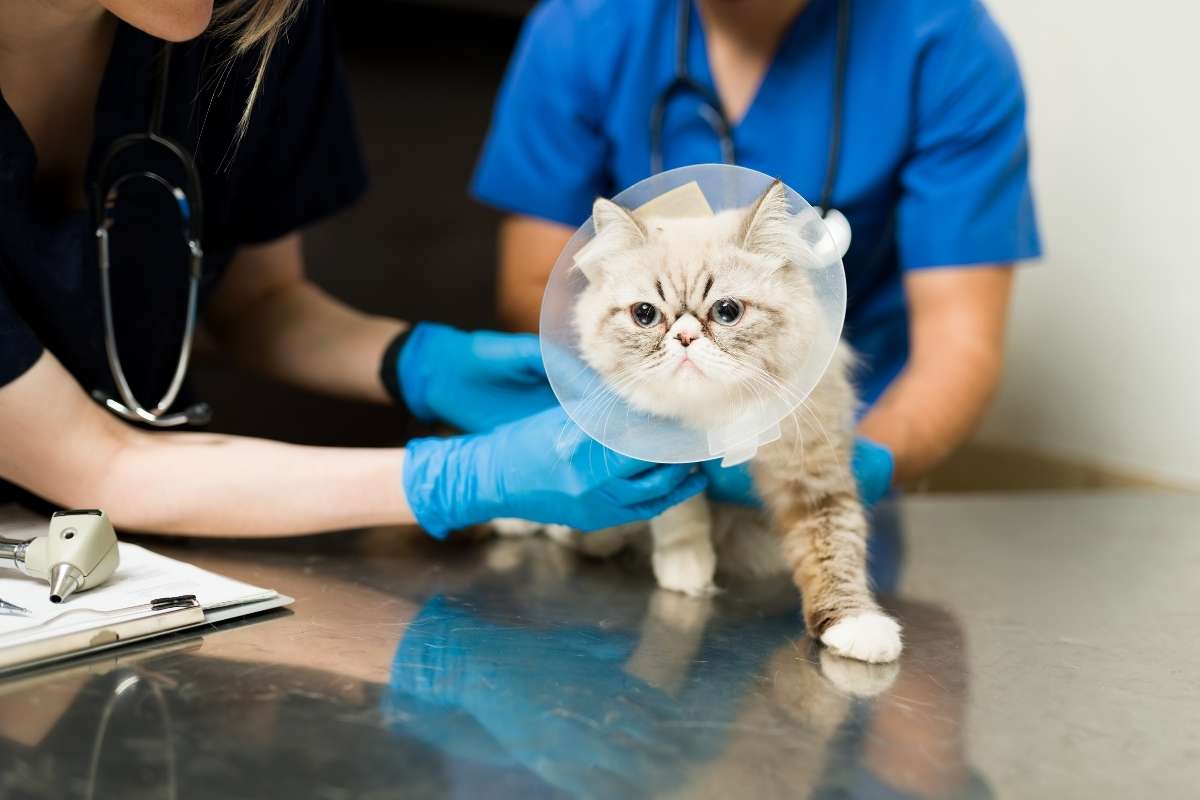
Proper wound care is essential for preventing complications. Prevent pets from licking or biting the incision site, limit physical activity, and follow all post-operative instructions carefully. Using an Elizabethan collar or recovery suit can significantly reduce the risk of self-inflicted injury.
When to Contact Your Veterinarian
Pet owners should seek veterinary assistance immediately if they notice:
- Severe swelling or discharge
- Continuous bleeding
- Uncontrolled pain
- Difficulty breathing
- Complete loss of appetite for more than a day
Prompt action can prevent complications from becoming life-threatening.
Prevention and Best Practices
The best way to avoid complications after surgery is through prevention and careful monitoring. Follow all medication schedules, restrict activity as advised, and attend follow-up appointments. Keeping your pet calm and comfortable during recovery significantly improves healing outcomes.
Regular communication with your veterinary provider ensures that any concerns are addressed early and effectively.
Post-surgical care requires attention, patience, and awareness of potential warning signs. Recognizing early symptoms of complications can greatly improve recovery outcomes and ensure your pet’s well-being. Pet owners in Farmington, NY, can rely on professional guidance and continued support for safe and effective recovery after surgery.
For expert post-operative care and compassionate veterinary support, contact us at Farmington Veterinary Hospital today.
FAQs
Q1. How long does it take for pets to recover from surgery?
Ans. Recovery time depends on the type of procedure and the pet’s health, but most pets begin improving within a few days to two weeks.
Q2. Is it normal for my pet to sleep more after surgery?
Ans. Yes, increased sleepiness is common due to anesthesia and pain medication effects, especially during the first 24–48 hours.
Q3. What should I do if my pet licks the incision site?
Ans. Prevent licking immediately using a recovery collar and contact your veterinarian if irritation or redness develops.
Q4. When should I worry about swelling after surgery?
Ans. Mild swelling is normal, but increasing or hot swelling should be evaluated as it may indicate infection.
Q5. Can my pet eat normally after surgery?
Ans. Most pets can resume eating within a day, but appetite may be reduced initially. Offer small, easily digestible meals.
Q6. What are the most serious post-surgery complications?
Ans. Infections, internal bleeding, respiratory distress, and severe pain are among the most serious complications requiring immediate veterinary care.