Surgery can be a stressful experience for both pets and their owners. At Farmington Veterinary Hospital, we understand how important it is to know what to expect and how veterinary teams work to minimize risks. Whether it’s a routine procedure or a more complex pet surgery, understanding potential surgical risks and the steps your veterinarian takes to reduce them can help you feel more confident about your pet’s care. Here’s a comprehensive guide for pet owners in Farmington, NY.
1. Schedule a Pre-Surgery Consultation
Before any pet surgery, your pet should have a thorough pre-surgery checkup. This helps ensure they are healthy enough to undergo anesthesia and the procedure safely.
During this visit, your veterinarian will review your pet’s medical history, current medications, and any existing conditions. Blood work and diagnostic tests may be recommended to check for underlying issues that could affect the surgery. This evaluation allows the vet to develop the safest plan for your pet.
2. Follow Pre-Surgery Instructions Closely
Once surgery is scheduled, your veterinarian will provide instructions to follow in the days leading up to the procedure. These guidelines help reduce complications and ensure your pet is prepared for anesthesia.
Common instructions may include withholding food and water for a specific period before surgery and stopping certain medications. Following these directions carefully is critical for a safe surgical experience.
3. Understand Anesthesia Safety Measures
Anesthesia always carries some degree of risk, but modern veterinary practices have multiple safety protocols in place. Your pet will be closely monitored throughout the procedure using advanced equipment to track heart rate, blood pressure, oxygen levels, and breathing.
Veterinarians and trained technicians are prepared to respond quickly to any unexpected events. Pre-surgery blood work and monitoring help identify potential complications early.
4. Reduce Infection and Complications
Surgical sites are carefully cleaned and sterilized to minimize the risk of infection. Veterinarians use aseptic techniques and specialized instruments to protect your pet.
Pain management is also an essential part of surgical care. Your veterinarian will develop a post-operative plan to ensure your pet remains comfortable, which supports faster healing and reduces stress-related complications.
5. Post-Surgery Care is Crucial
Recovery doesn’t end when your pet leaves the clinic. Following post-operative instructions is critical to avoid complications.
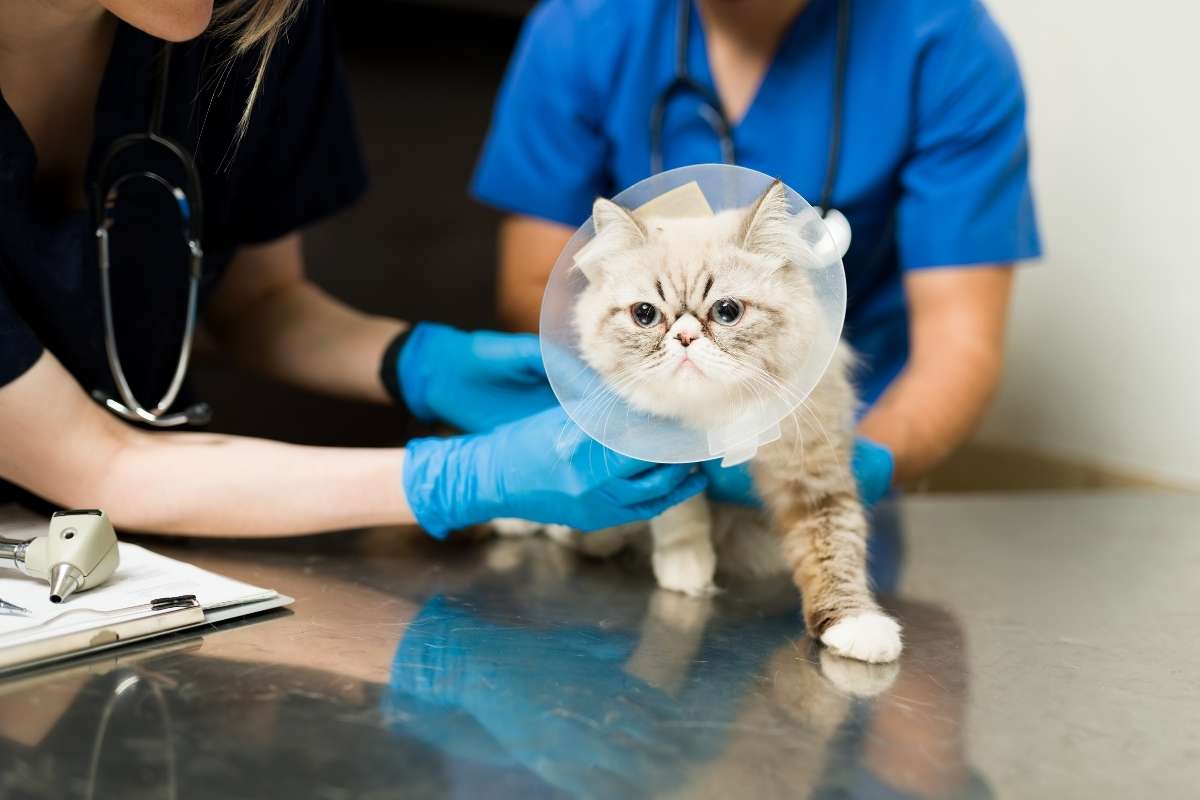
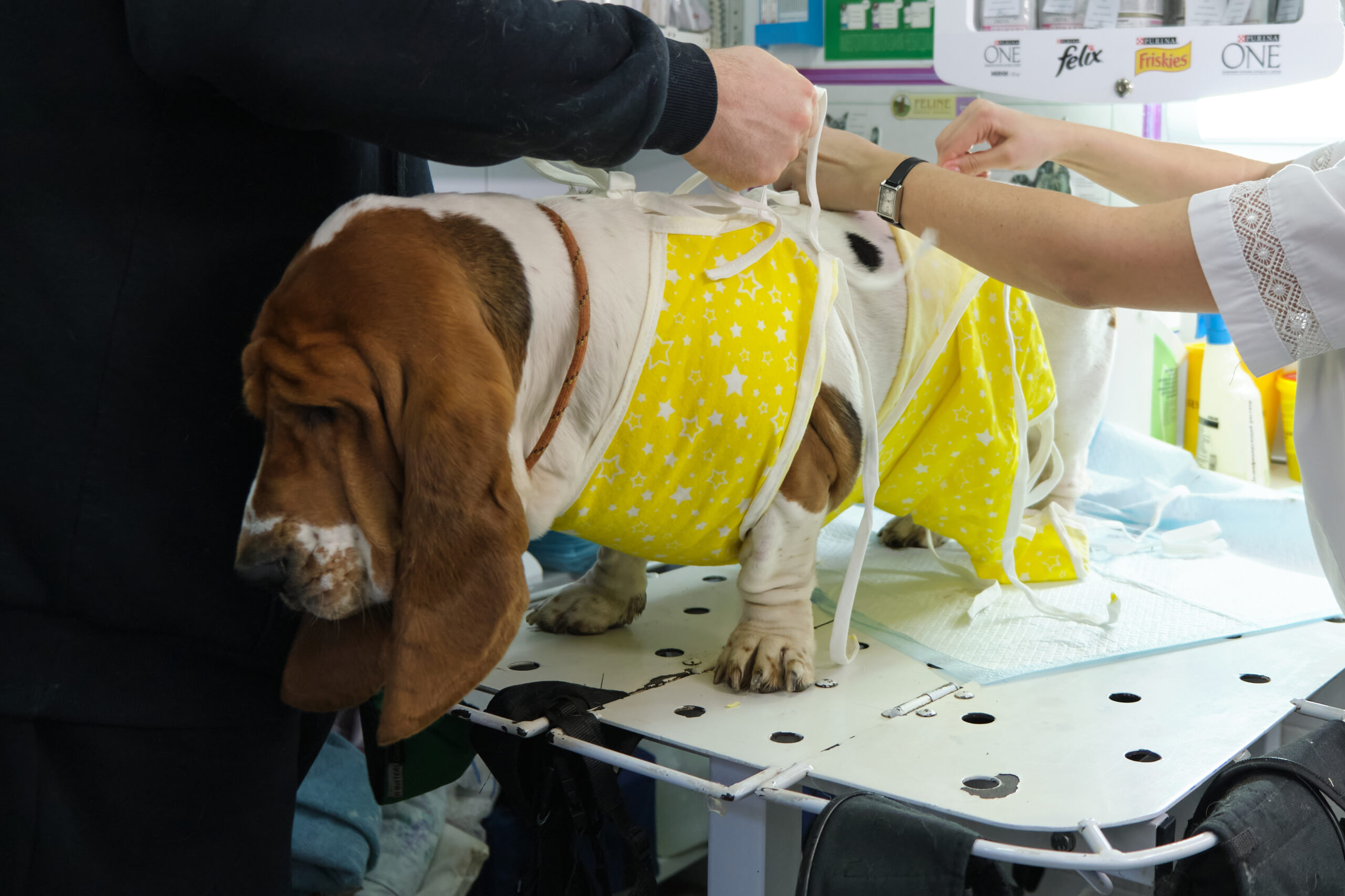
Your veterinarian will guide you on administering medications, monitoring the surgical site, limiting activity, and managing diet and hydration. Using an Elizabethan collar or other tools may be necessary to prevent your pet from disturbing stitches or wounds.
6. Monitor and Communicate During Recovery
Even minor concerns should be reported to your veterinarian promptly. Signs of swelling, redness, discharge, lethargy, or difficulty eating may indicate complications that require attention.
Regular follow-up appointments allow your veterinary team to monitor healing, remove sutures if needed, and address any issues quickly. Communication and vigilance are key to ensuring a smooth recovery.
Understanding surgical risks and the steps veterinarians take to minimize them can give pet owners confidence and peace of mind. From pre-surgery evaluations and anesthesia monitoring to post-operative care, veterinary teams prioritize the safety and comfort of every pet.
At Farmington Veterinary Hospital, we are committed to providing expert pet surgery care and guidance for pet owners in Farmington, NY. If your pet is scheduled for surgery or you have questions about procedures, we encourage you to schedule a consultation with our team today.
FAQs
Q1. How risky is anesthesia for pets?
A1. Anesthesia is generally very safe with modern monitoring and pre-surgical testing, though all procedures carry some risk.
Q2. What should I do if my pet shows unusual signs after surgery?
A2. Contact your veterinarian immediately if you notice swelling, discharge, lethargy, or difficulty eating.
Q3. How can I help my pet recover faster?
A3. Follow all post-operative instructions, limit activity, administer medications as prescribed, and monitor their behavior closely.
Q4. Are routine surgeries like spays and neuters risky?
A4. These procedures are generally low-risk, but pre-surgery evaluations and careful monitoring help ensure safety.
Q5. Can surgical complications be prevented?
A5. While risks cannot be eliminated entirely, careful pre-surgery assessments, sterile techniques, and attentive post-op care minimize complications.
Q6. How long does it take for pets to recover from surgery?
A6. Recovery depends on the type of surgery, but most pets begin to feel better within a few days to weeks. Your veterinarian will provide a tailored recovery plan.