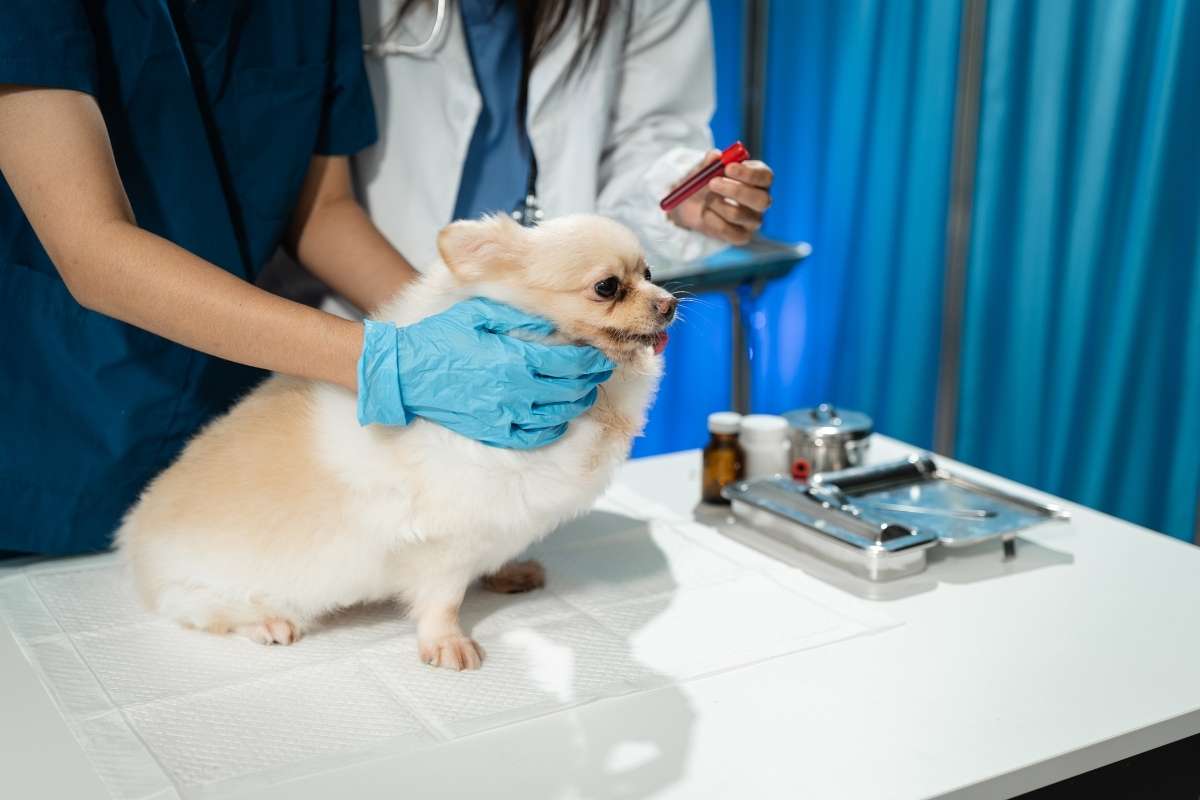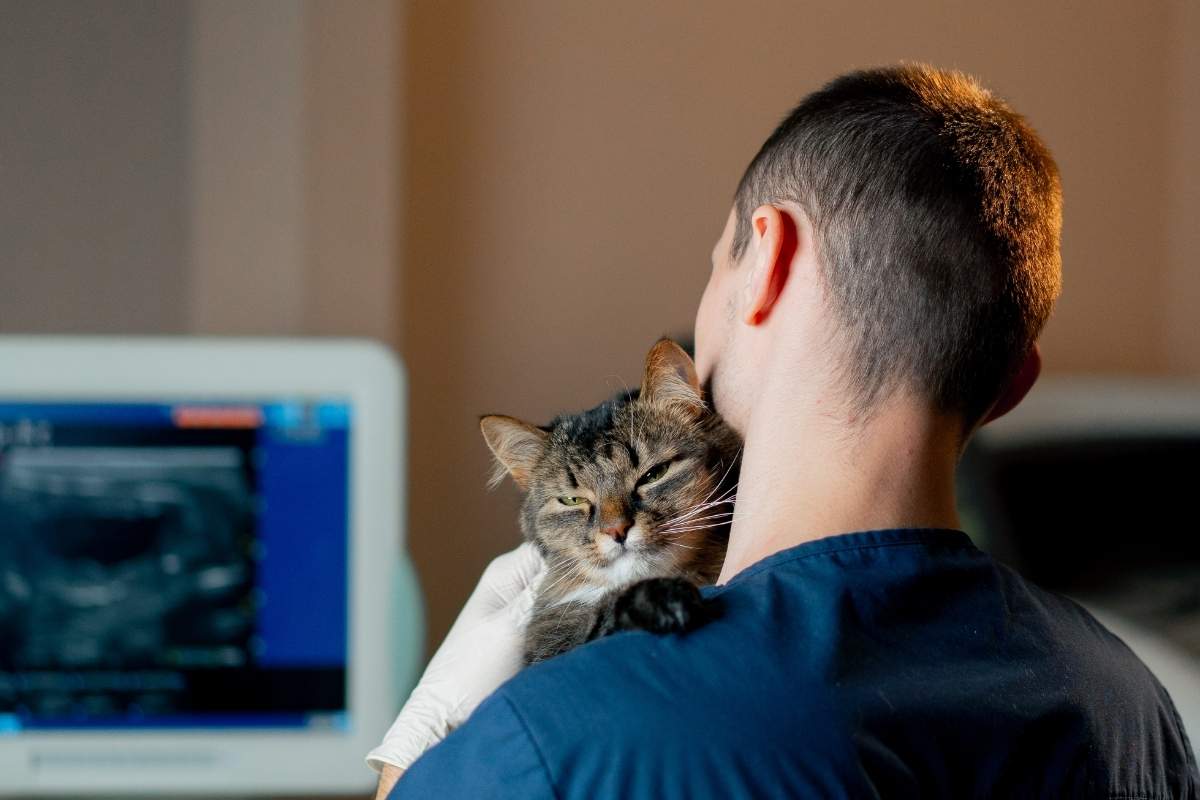
Pets cannot tell us when something feels wrong, so recognizing early signs of illness is an important part of responsible pet ownership. Many health problems begin with subtle changes in behavior, appetite, or energy levels that can easily go unnoticed. Identifying these signs early and seeking professional care can help protect your pet’s health.
At Farmington Veterinary Hospital, we understand that pet owners want to keep their companions healthy and comfortable. Knowing when to seek veterinary attention can help prevent minor issues from becoming more serious. Routine exams and timely evaluations allow veterinarians to identify problems early and recommend proper treatment.
Understanding the warning signs that indicate your pet may need medical attention can help you act quickly. This guide highlights common symptoms that should not be ignored, especially for pet owners in Farmington, NY, who want to stay proactive about their pet’s health.
Why Early Detection Matters
Early detection is one of the most important aspects of responsible pet ownership. Many illnesses can be treated more effectively when they are identified in their early stages.
Changes in a pet’s behavior, appetite, or physical condition may signal underlying health issues. Prompt evaluation allows veterinarians to perform examinations and recommend appropriate pet diagnostic care to determine the cause of the symptoms.
By recognizing early warning signs, pet owners can help ensure that their pets receive timely treatment and avoid unnecessary complications.
Changes in Appetite or Drinking Habits
A sudden increase or decrease in appetite may indicate an underlying medical concern. While occasional changes can occur, persistent appetite changes should be monitored carefully.
Similarly, increased thirst or excessive drinking may signal conditions such as diabetes, kidney disease, or hormonal imbalances.
If these changes last for more than a day or two, it may be helpful to consult a veterinarian for evaluation.
Unusual Behavior or Low Energy
Pets that suddenly become less active or show unusual behavior may be experiencing discomfort or illness.
Signs to watch for include:
- Excessive sleeping or lethargy
- Hiding more than usual
- Irritability or aggression
- Loss of interest in normal activities
Because pets often hide symptoms of illness, behavioral changes can be one of the earliest indicators that something may be wrong.
Vomiting or Digestive Issues
Occasional vomiting may not always be cause for concern, but frequent or persistent vomiting can signal digestive problems or more serious health conditions.
Other digestive symptoms to watch for include:
- Diarrhea
- Constipation
- Bloating
- Loss of appetite
If these symptoms continue for more than 24 hours or are accompanied by other concerning signs, veterinary evaluation is recommended.
Breathing Difficulties
Changes in breathing patterns can indicate respiratory or heart-related problems. Pets that are breathing rapidly, coughing frequently, or struggling to breathe should receive prompt medical attention.
Watch for symptoms such as:
- Persistent coughing
- Wheezing
- Labored breathing
- Blue or pale gums
These signs may require immediate veterinary care.
Changes in Skin, Coat, or Appearance
A pet’s skin and coat often reflect their overall health. Unusual changes may indicate allergies, infections, or underlying medical conditions.
Signs to monitor include:
- Excessive scratching or licking
- Hair loss
- Red or irritated skin
- Lumps or swelling
Veterinarians may recommend examinations or pet diagnostic care to identify the cause of these changes and determine appropriate treatment.
Difficulty Walking or Moving
Mobility issues may indicate joint problems, injuries, or neurological conditions.
If your pet shows signs such as limping, stiffness, or reluctance to climb stairs or jump, it may be time to consult a veterinarian.
Early intervention can help manage pain and prevent further complications.
The Importance of Routine Veterinary Visits
In addition to monitoring symptoms at home, regular veterinary visits are essential for maintaining your pet’s health. Wellness exams allow veterinarians to identify potential health concerns before noticeable symptoms appear.
During routine visits, veterinarians may perform physical examinations, recommend vaccinations, and suggest preventive screenings based on your pet’s age and lifestyle.
Consistent monitoring helps ensure that pets receive the care they need throughout every stage of life.
Recognizing early warning signs in pets is one of the most effective ways to protect their health. Changes in appetite, behavior, mobility, or physical appearance can all signal potential health concerns that may require professional attention.
If you notice unusual symptoms or have concerns about your pet’s well-being, the team at Farmington Veterinary Hospital is available to provide guidance and support. Early evaluation and proper care can help ensure that pets receive the treatment they need before problems become more serious.
Staying attentive to your pet’s health and scheduling regular veterinary visits can make a significant difference in their quality of life. If you live in Farmington, NY, and have concerns about your pet’s health or behavior, you can schedule an appointment to discuss your pet’s condition and preventive care needs.
Frequently Asked Questions (FAQs)
Q1. How do I know if my pet needs to see a veterinarian?
Ans. If your pet shows persistent symptoms such as vomiting, lethargy, appetite changes, or unusual behavior, it may be time to schedule a veterinary visit.
Q2. How often should pets have routine veterinary checkups?
Ans. Most pets should have a wellness exam at least once a year, while senior pets may benefit from more frequent visits.
Q3. Are behavioral changes a sign of illness in pets?
Ans. Yes. Sudden changes in behavior, activity level, or mood may indicate discomfort or underlying health issues.
Q4. When should vomiting in pets be considered serious?
Ans. If vomiting occurs repeatedly, lasts more than 24 hours, or is accompanied by other symptoms such as lethargy or loss of appetite, veterinary evaluation is recommended.
Q5. What should I do if my pet stops eating?
Ans. If your pet refuses food for more than a day or shows other symptoms, it is best to consult a veterinarian.
Q6. Why is early diagnosis important for pets?
Ans. Early detection allows veterinarians to identify health problems sooner and begin treatment before the condition worsens.