Our beloved pets cannot tell us when something feels wrong inside their bodies. They instinctively hide discomfort, making early disease detection incredibly challenging for caring owners. By the time visible symptoms appear, conditions have often progressed significantly.
That’s precisely why common diagnostic tests vets use to detect hidden illness prove so invaluable. These powerful tools reveal internal problems long before external signs develop, enabling earlier intervention and better outcomes.
In this informative guide, we’ll explore essential diagnostic procedures veterinarians rely upon to protect your pet’s health. Understanding these tests empowers you to appreciate their importance during wellness visits. Let’s uncover how modern veterinary medicine keeps pets healthier longer!
Why Early Disease Detection Matters
Detecting illness early dramatically improves treatment success and prognosis. Many serious conditions respond remarkably well when caught in the initial stages.
Early detection provides these critical advantages:
- More treatment options: Initial-stage diseases offer broader therapeutic choices.
- Better outcomes: Early intervention prevents irreversible organ damage.
- Reduced suffering: Catching problems quickly minimizes prolonged discomfort.
- Lower costs: Treating early-stage conditions costs significantly less than advanced disease.
- Extended lifespans: Timely diagnosis and treatment help pets live longer.
Furthermore, pets age faster than humans. Annual examinations with appropriate diagnostics catch rapidly developing conditions effectively.
Essential Blood Tests for Comprehensive Screening:
Complete Blood Count (CBC)
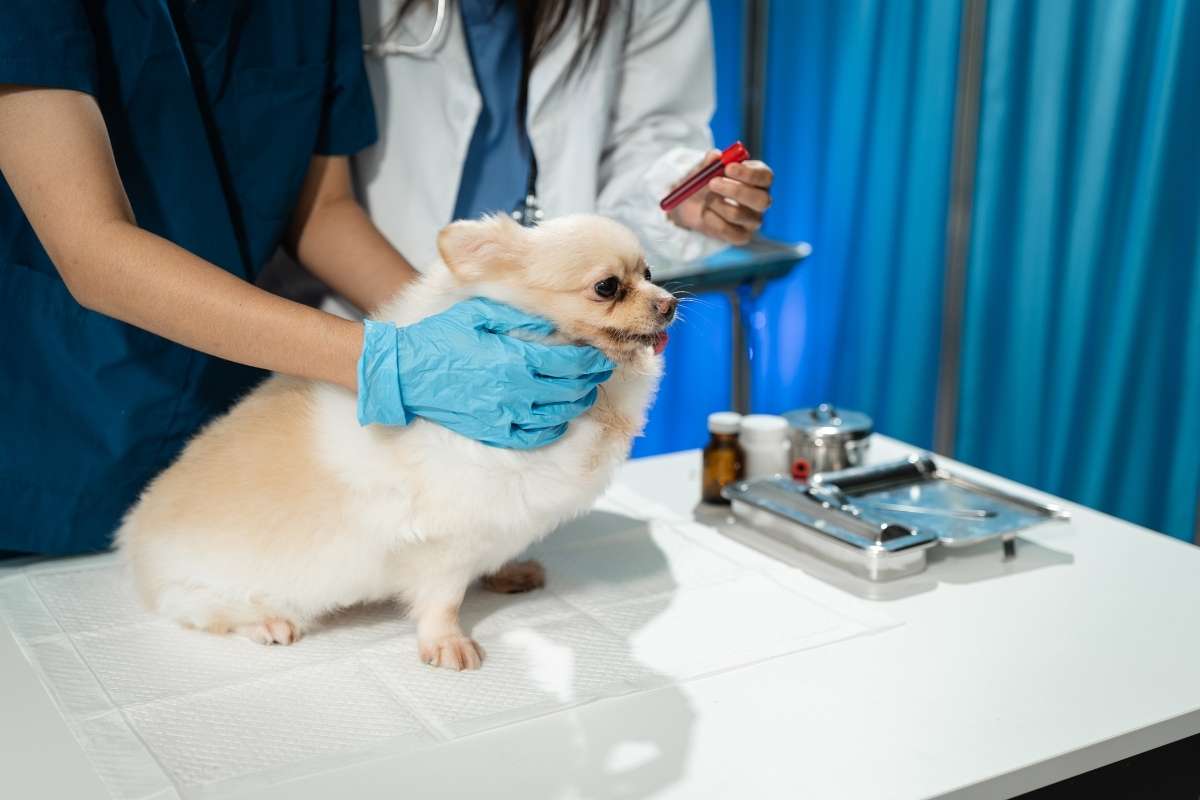
The CBC evaluates red blood cells, white blood cells, and platelets circulating throughout your pet’s body. This fundamental test reveals numerous hidden conditions.
Abnormalities may indicate:
- Anemia from various underlying causes
- Infections triggering immune responses
- Blood clotting disorders
- Bone marrow problems
- Certain cancers affecting blood cells
Veterinarians consider CBC results essential baseline information for virtually every patient.
Blood Chemistry Panel
Chemistry panels measure organ function through specific enzyme and protein levels. These tests assess how well vital organs perform their jobs.
Key measurements include:
- Kidney function indicators (BUN, creatinine)
- Liver enzyme levels
- Blood glucose concentrations
- Electrolyte balance
- Protein levels
Advanced Imaging Diagnostics:
Radiographs (X-rays)
X-rays remain invaluable for visualizing bones, organs, and chest contents. These images reveal structural abnormalities invisible during physical examination.
Radiographs commonly detect:
- Bone fractures and joint disease
- Heart enlargement and lung abnormalities
- Intestinal blockages or foreign objects
- Bladder stones and organ enlargement
- Certain tumor masses
Modern digital radiography produces detailed images within seconds, minimizing patient stress.
Ultrasound Examination
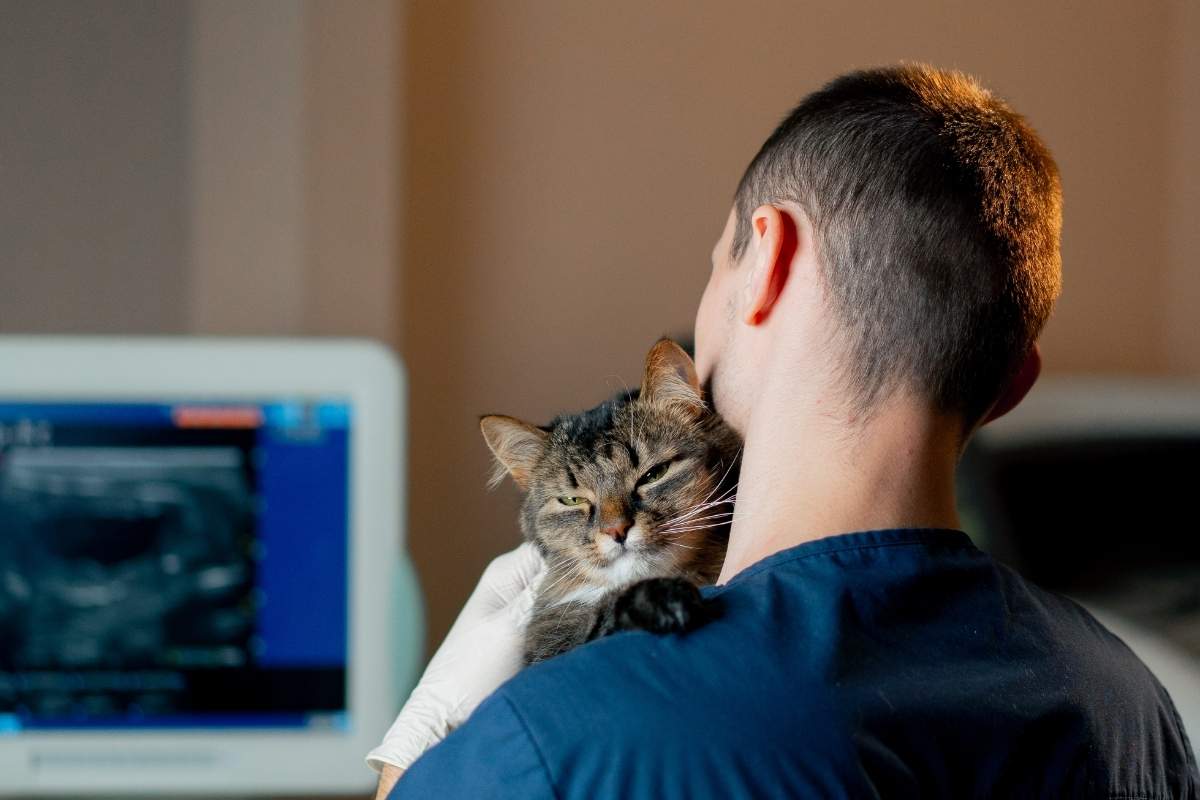
Ultrasound technology uses sound waves to create real-time images of internal organs. This non-invasive procedure provides exceptional soft tissue detail.
Ultrasound excels at evaluating:
- Liver, spleen, and kidney architecture
- Heart structure and function (echocardiography)
- Bladder wall and contents
- Gastrointestinal tract abnormalities
- Pregnancy confirmation and monitoring
Additionally, ultrasound guides needle biopsies for accurate tissue sampling without surgery.
Urinalysis and Fecal Testing:
Comprehensive Urinalysis
Urine testing reveals kidney function, urinary tract infections, and metabolic disorders. This simple collection provides tremendous diagnostic information.
Analysis includes:
- Concentration ability assessment
- Infection indicators
- Crystal and stone detection
- Glucose presence (diabetes screening)
- Protein loss evaluation
Fecal Examination
Stool samples detect intestinal parasites often invisible to owners. Many parasites cause subtle symptoms while damaging digestive health.
Common parasites identified include:
- Roundworms and hookworms
- Whipworms and tapeworms
- Giardia and coccidia
- Other microscopic organisms
Regular fecal testing protects both pet and family health, as some parasites can be transmitted to humans.
Specialized Diagnostic Procedures:
Thyroid Testing
Thyroid hormone imbalances commonly affect middle-aged and senior pets. Dogs typically develop hypothyroidism, while cats often experience hyperthyroidism.
Symptoms may include:
- Unexplained weight changes
- Coat quality deterioration
- Energy level alterations
- Behavioral changes
Simple blood tests accurately measure thyroid hormone levels, guiding appropriate treatment.
Blood Pressure Measurement
Hypertension affects many senior pets, particularly those with kidney disease or hyperthyroidism. High blood pressure damages the eyes, kidneys, heart, and brain silently.
Regular monitoring catches dangerous elevations before organ damage occurs. Treatment effectively controls blood pressure when detected early.
Where to Find Advanced Diagnostics
Having access to these diagnostic tools is vital for early detection. If you live in the local area, you want a facility that can perform these tests quickly and accurately. Quality pet diagnostic care farmington residents rely on, is characterized by modern equipment and a skilled team that can interpret the results effectively.
When results are delivered quickly, treatment can begin immediately. For comprehensive testing and a team that takes the time to explain every result, Farmington Veterinary Hospital is dedicated to being your partner in keeping your pet healthy for the long haul.
Frequently Asked Questions:
Q1: How often should healthy pets undergo diagnostic testing?
Ans: Most veterinarians recommend annual bloodwork and urinalysis for adults. Senior pets benefit from testing every six months to catch age-related changes early.
Q2: Are diagnostic tests stressful for pets?
Ans: Most tests require only brief restraint for blood collection. Imaging procedures are non-invasive and typically well-tolerated with gentle handling techniques.
Q3: Why does my vet recommend tests when my pet seems healthy?
Ans: Many serious diseases develop silently without visible symptoms. Baseline testing detects abnormalities before clinical signs appear, enabling earlier intervention.
Q4: How quickly do diagnostic test results become available?
Ans: Many in-house tests provide results within 15-30 minutes. Specialized tests sent to reference laboratories typically return within 24-72 hours.
Q5: Can diagnostic tests definitively diagnose all conditions?
Ans: Tests provide crucial information guiding diagnosis. Sometimes multiple tests or procedures are necessary to reach definitive conclusions about complex conditions.
Q6: Are pet diagnostic tests similar to human medical tests?
Ans: Yes, many tests use identical technology and measure similar parameters. Veterinary medicine utilizes sophisticated diagnostics comparable to human healthcare standards.