Pets are naturally instinctive animals, and one of their strongest survival traits is the ability to hide illness. While this behavior may have helped them in the wild, it often makes it difficult for pet owners to recognize early health problems. At Farmington Veterinary Hospital, pet owners are educated on subtle behavioral and physical changes that may indicate underlying medical concerns.
Because animals often mask discomfort, recognizing early signs and seeking timely pet diagnostic care is essential for maintaining long-term health. Many illnesses progress silently, making awareness and observation key factors in early intervention.
In some cases, pets may appear completely normal even when they are unwell. This is why understanding hidden symptoms is critical for responsible pet ownership.
Why Pets Hide Illness
Animals instinctively hide weakness to avoid appearing vulnerable. In nature, showing signs of illness could make them targets for predators. Although domestic pets are safe in homes, this instinct remains deeply embedded in their behavior.
As a result, dogs and cats often continue eating, walking, or playing even when they are experiencing pain or illness. This can delay diagnosis and treatment if owners are not attentive to subtle changes.
Subtle Signs Your Pet May Be Sick
1. Changes in Appetite
A sudden increase or decrease in food intake can indicate digestive issues, dental pain, or systemic illness.
2. Behavioral Shifts
Pets may become unusually withdrawn, aggressive, or clingy when they are not feeling well.
3. Reduced Energy Levels
Decreased activity, reluctance to play, or excessive sleeping may signal underlying health concerns.
4. Grooming Changes
Cats may stop grooming, or dogs may excessively lick specific areas, indicating discomfort or pain.
5. Weight Loss or Gain
Unexplained changes in weight can be an early indicator of metabolic or organ-related conditions.
6. Changes in Bathroom Habits
Frequent urination, accidents indoors, or difficulty using the litter box or going outside may suggest illness.
Behavioral Masking in Cats and Dogs
Cats are particularly skilled at hiding illness. They may isolate themselves or sleep more than usual without showing obvious distress. Dogs, on the other hand, may mask pain by continuing to engage in normal activities until symptoms become severe.
Understanding species-specific behavior helps owners detect subtle changes more effectively.
The Role of Routine Observation
Daily observation is one of the most effective tools for early illness detection. Small changes in behavior, appetite, or energy levels can provide important clues.
- Monitor eating and drinking habits
- Observe energy levels and mood changes
- Check for physical abnormalities during grooming
- Track bathroom habits regularly
Consistent monitoring supports timely pet diagnostic care, which can significantly improve treatment outcomes.
When to Seek Veterinary Attention
While not every change is an emergency, persistent or worsening symptoms should never be ignored. Seek veterinary care if you notice:
- Continuous loss of appetite
- Ongoing lethargy or weakness
- Unexplained weight changes
- Breathing difficulties or coughing
- Sudden behavioral changes
Early intervention often leads to better recovery and less invasive treatment options.
Importance of Diagnostic Care in Early Detection
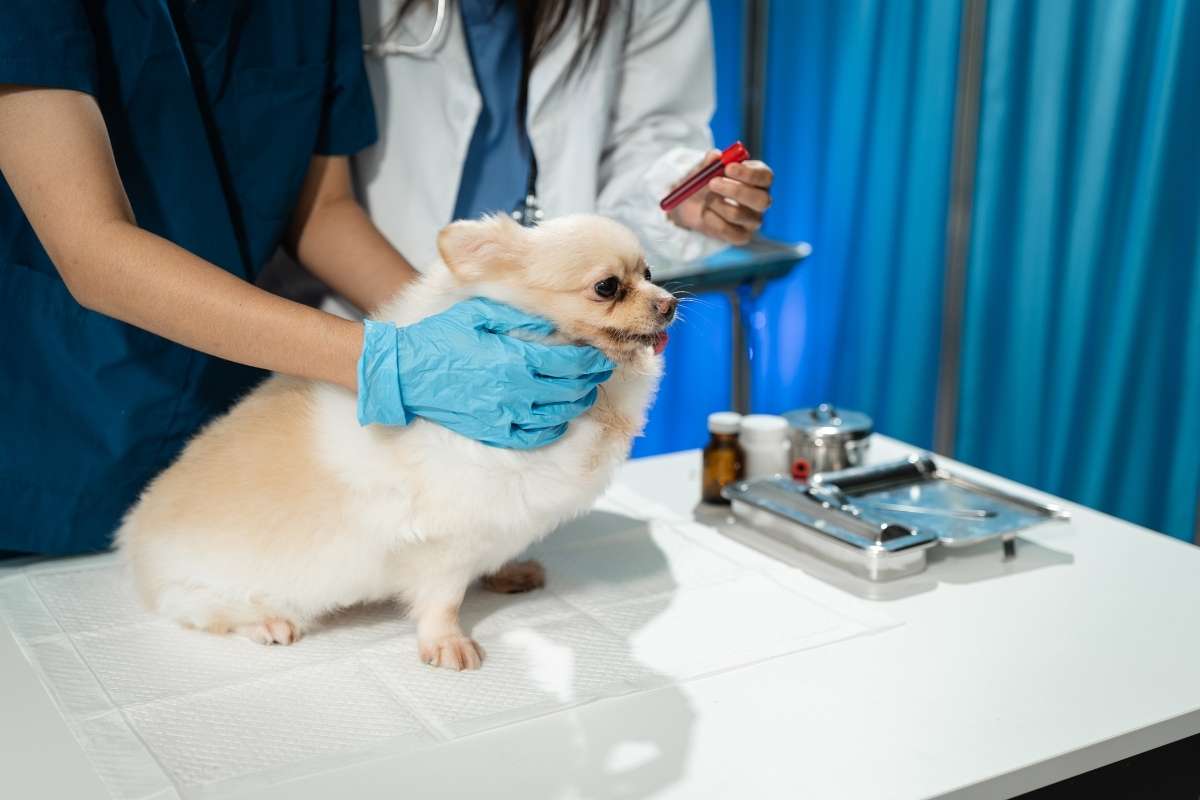
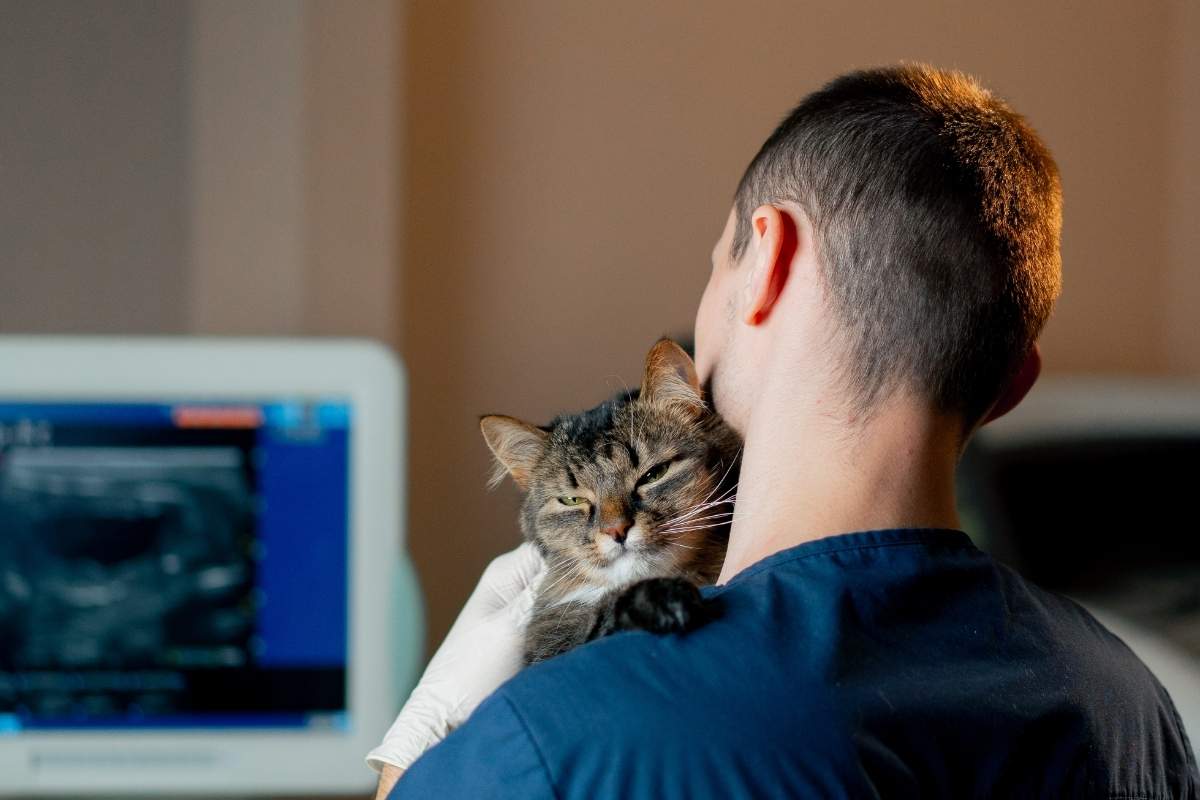
Modern veterinary medicine offers advanced tools to detect illnesses that are not visible externally. Blood tests, imaging, and physical examinations help identify issues before they become severe.
Timely pet diagnostic care plays a critical role in identifying hidden diseases such as kidney issues, infections, endocrine disorders, and more.
Preventive Care and Regular Check-Ups
Routine veterinary visits are essential even when pets appear healthy. Preventive care helps establish baseline health data, making it easier to detect changes over time.
Regular exams also allow veterinarians to identify risk factors early and recommend lifestyle or dietary adjustments.
Pets are naturally skilled at hiding illness, making it essential for owners to stay observant and proactive. Recognizing subtle behavioral and physical changes can lead to early diagnosis and more effective treatment.
For expert guidance and comprehensive health evaluations, contact us at Farmington Veterinary Hospital. Pet owners in Farmington, NY, can rely on trusted veterinary support to ensure their pets receive timely care and attention.
FAQs
Q1. Why do pets hide signs of illness?
Ans. Pets instinctively hide weakness as a survival trait, which can make illness difficult to detect early.
Q2. What is the most common early sign of illness in pets?
Ans. Changes in appetite, energy levels, and behavior are often the first noticeable indicators.
Q3. Do cats hide illness more than dogs?
Ans. Yes, cats are generally more subtle and may show fewer obvious symptoms until the illness progresses.
Q4. When should I take my pet to the vet for behavioral changes?
Ans. If changes persist for more than 24–48 hours or worsen, veterinary attention is recommended.
Q5. Can routine check-ups help detect hidden illnesses?
Ans. Yes, regular exams and pet diagnostic care can identify health issues before symptoms become severe.
Q6. What should I monitor daily with my pet?
Ans. Watch for changes in eating, drinking, energy, grooming habits, and bathroom behavior.