A sudden change in your pet’s behavior can be worrying. A playful dog may become less interested in activities, or a social cat may start hiding more often. While many health conditions can cause these changes, dental problems are often overlooked as a possible reason behind unusual behavior.
At Farmington Veterinary Hospital, pet parents can learn how oral health affects their pets’ comfort, habits, and daily routines. Dogs and cats cannot tell us when their mouth hurts, so they may show discomfort through changes in eating, playing, grooming, or interacting with family members.
Dental problems can create ongoing discomfort that affects how pets behave. Understanding the connection between dental health and behavior changes can help owners recognize possible warning signs and seek veterinary guidance when needed.
Can Dental Problems Change a Pet’s Behavior?
Yes, dental issues can contribute to behavior changes in dogs and cats. Conditions such as gum inflammation, damaged teeth, infections, or excessive tartar buildup may cause discomfort that affects a pet’s normal activities.
Pets often hide pain because of their natural instincts. Instead of showing obvious signs, they may gradually change their habits.
Some common behavior changes linked with dental discomfort include:
- Reduced interest in playing
- Avoiding chew toys or treats
- Eating slower than usual
- Dropping food while eating
- Chewing on one side of the mouth
- Becoming more withdrawn
- Increased irritability
- Hiding more often, especially in cats
These signs do not always mean dental disease is the cause. Other health issues, stress, or changes in routine can also affect behavior. A veterinary examination can help determine the possible reason behind these changes.
How Dental Pain Affects Dogs and Cats
Dogs and cats may respond differently to oral discomfort.
Behavioral Changes in Dogs
Dogs may continue to eat and interact with their families even when they have dental pain. However, subtle changes may appear over time.
A dog with dental discomfort may:
- Stop chewing favorite toys
- Avoid hard treats
- Become less playful
- Show sensitivity when the face or mouth is touched
- Drool more than usual
- Have changes in eating habits
Some dogs may seem less energetic because discomfort affects their interest in normal activities.
Behavioral Changes in Cats
Cats are known for hiding signs of pain. A cat with dental concerns may continue daily routines while quietly dealing with discomfort.
Possible changes include:
- Spending more time alone
- Avoiding interaction
- Eating less
- Preferring softer food
- Grooming differently
- Becoming unusually quiet or irritable
Since cats may hide dental problems until they become more serious, noticing small behavior changes can be important.
Why Dental Problems Can Affect Your Pet’s Mood
A pet’s mouth plays an important role in many everyday activities. Eating, chewing, grooming, playing, and interacting with people all involve mouth movement.
When dental problems make these activities uncomfortable, pets may avoid them. A dog that no longer wants to chew a toy may not have lost interest. The activity may simply cause discomfort. A cat that stops eating certain foods may not be acting picky. The texture may be difficult to manage if you have painful teeth.
Dental disease may also affect a pet’s overall comfort. When pets are uncomfortable, they may appear less active, less social, or more sensitive than usual.
Signs Your Pet May Have a Dental Problem
Pet owners should pay attention to both physical symptoms and changes in behavior.
Common signs of dental concerns include:
- Bad breath
- Red or swollen gums
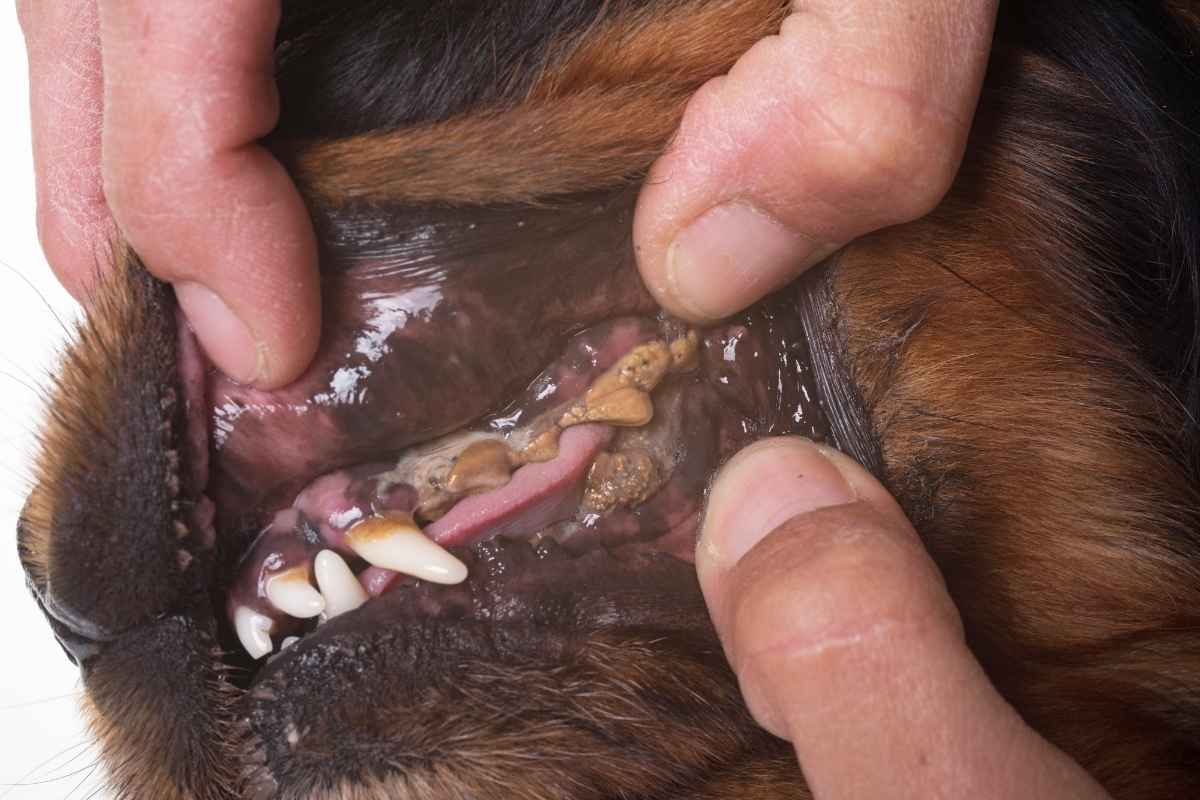
- Visible tartar buildup
- Difficulty chewing
- Dropping food
- Excessive drooling
- Pawing at the mouth
- Facial swelling
- Changes in eating habits
- Sudden behavior changes
Some mild changes may be monitored, but ongoing symptoms should be discussed with a veterinarian. Similar signs can occur with other medical conditions, so a proper examination is needed to identify the cause.
How Veterinarians Check Dental Health in Pets
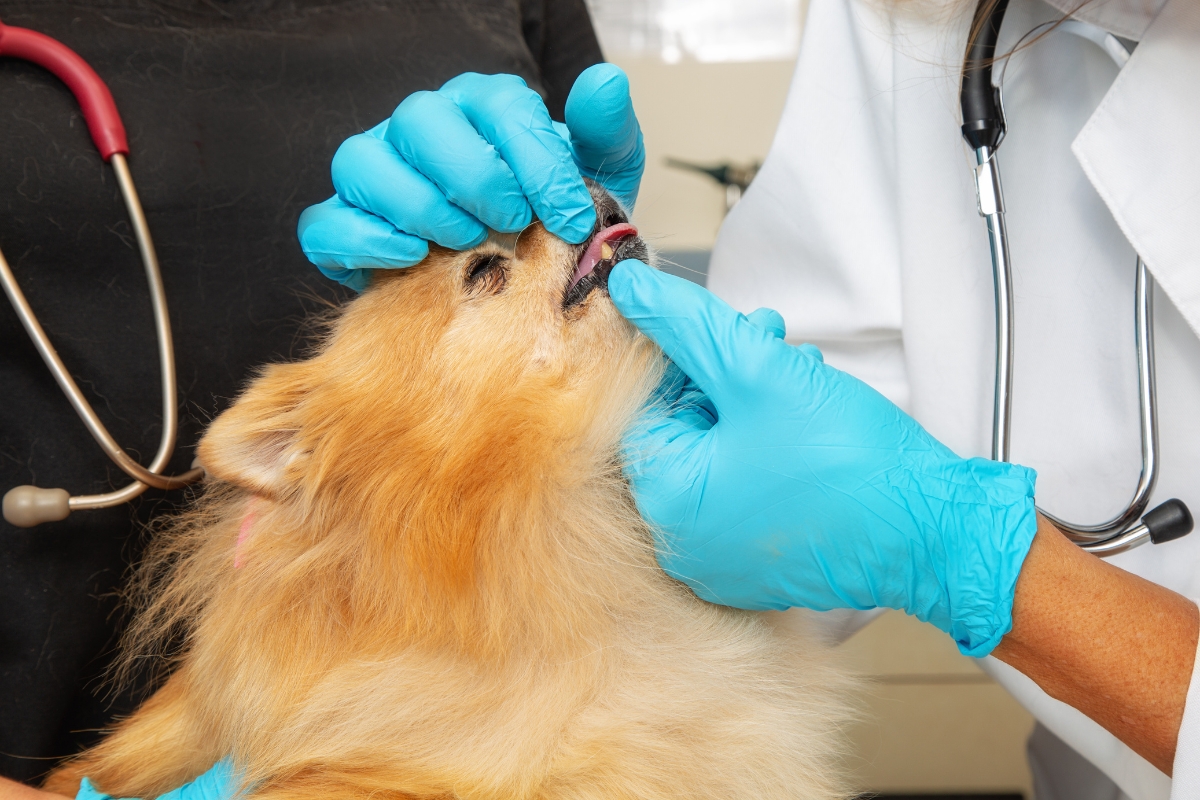
During a dental examination, a veterinarian evaluates the pet’s teeth, gums, oral tissues, and overall health. Some dental concerns may exist below the gumline and cannot be identified through a simple visual check alone.
A veterinary dental evaluation may help identify:
- Plaque and tartar buildup
- Gum disease
- Broken or damaged teeth
- Oral infections
- Areas causing discomfort
Pet dentistry focuses on preventing, identifying, and managing oral health problems that may affect a pet’s comfort and daily life.
If you notice changes in your pet’s eating habits, mood, or activity level, it may be time to visit our veterinary hospital for an evaluation. Early attention may help prevent dental discomfort from affecting your pet’s routine.
Preventing Dental Problems That May Affect Behavior
Maintaining your pet’s oral health can help reduce the risk of dental issues that may lead to discomfort and behavior changes.
Helpful prevention steps include:
- Scheduling routine veterinary dental examinations
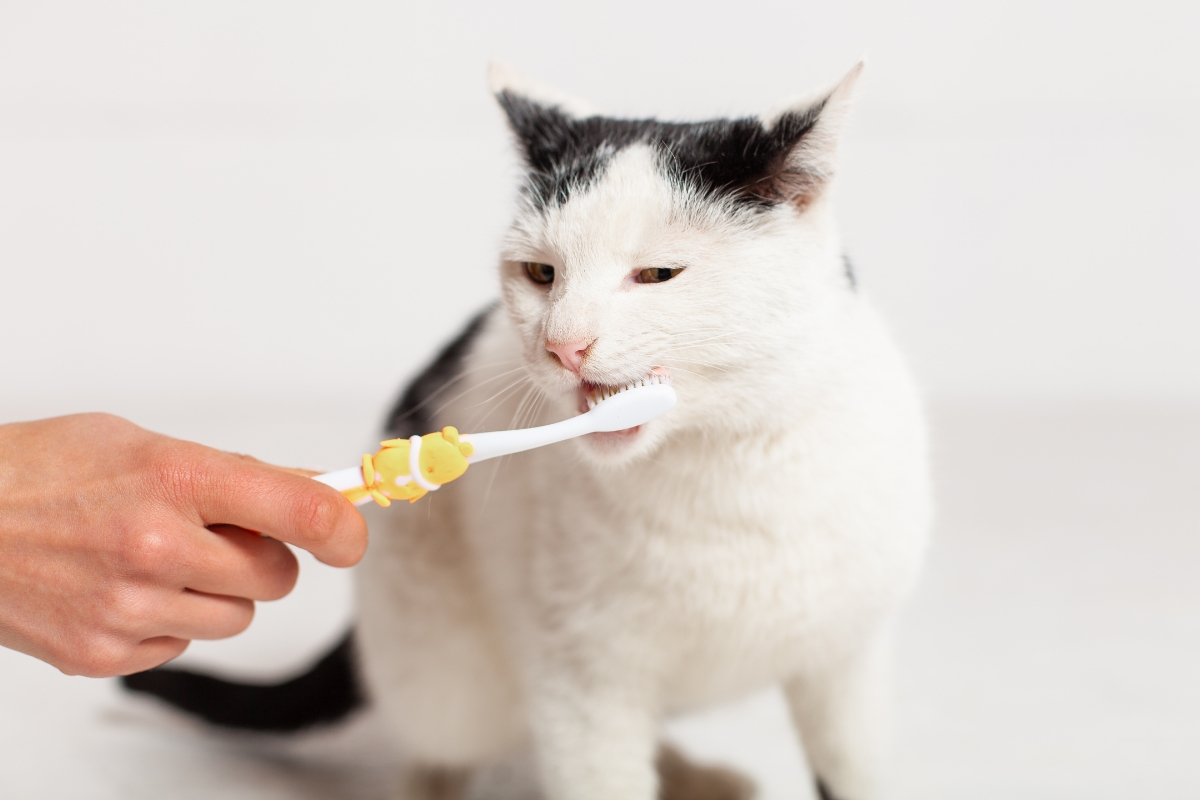
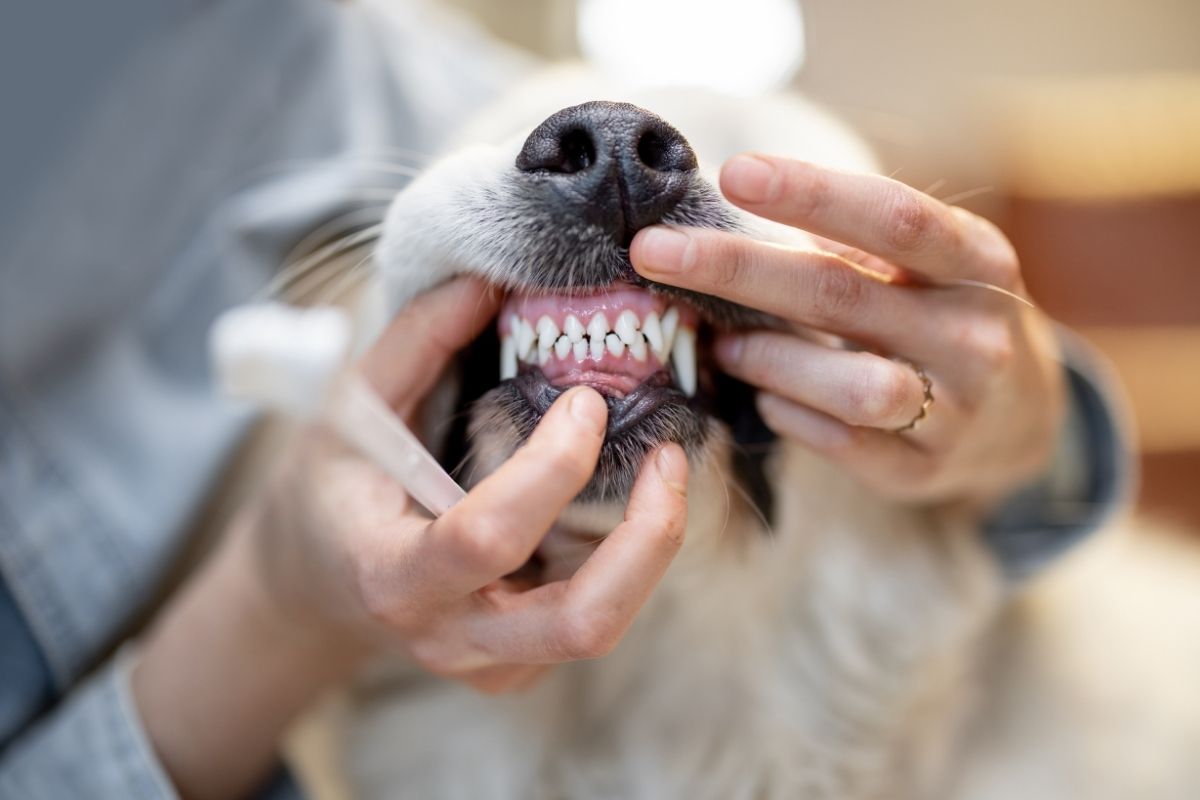
- Brushing your pet’s teeth with pet-safe products
- Using veterinarian-approved dental care products
- Monitoring changes in chewing or eating habits
- Following recommended dental care routines
Regular dental care for your pet can support healthier teeth and gums while helping identify concerns before they affect your pet’s comfort.
When Should You Take Your Pet for Dental Care?
A change in behavior does not always mean your pet has a dental problem. Stress, aging, injuries, and other illnesses may also cause similar signs. However, certain changes should not be ignored.
Schedule a veterinary examination if your pet:
- Stops eating or struggles while eating
- Shows signs of mouth pain
- Has swelling around the face
- Becomes unusually withdrawn
- Shows sudden aggression or sensitivity
- Has ongoing changes in normal behavior
Prompt veterinary attention may be needed if your pet has severe swelling, trouble breathing, significant bleeding, or appears to be in serious distress.
A Healthy Mouth Can Support a Happier Pet
Your pet’s behavior often provides valuable clues about their health. A dog that stops playing or a cat that begins hiding may be experiencing discomfort that is not immediately obvious.
Dental health is more than keeping teeth clean. It plays a role in your pet’s ability to eat comfortably, enjoy daily activities, and interact with the people they trust. Recognizing changes early and maintaining regular oral care can help support your pet’s overall wellness.
At Farmington Veterinary Hospital, pet parents can receive guidance on maintaining their dog’s or cat’s oral health and understanding how dental concerns may affect behavior. Through proper pet dentistry and routine evaluations, owners can take an active role in protecting their pet’s comfort and quality of life.
FAQs
Q1. Can dental problems make my dog act differently?
Ans. Yes, dental discomfort may cause dogs to become less playful, avoid chewing, eat differently, or appear more withdrawn. However, behavior changes can have many possible causes, so a veterinary examination may be needed.
Q2. Can cats hide signs of dental pain?
Ans. Yes, cats often hide discomfort. Changes such as hiding, reduced appetite, changes in grooming, or decreased interaction may be signs that your cat needs a veterinary evaluation.
Q3. What dental problems can affect pet behavior?
Ans. Issues such as gum inflammation, infected teeth, broken teeth, and oral discomfort may affect how pets eat, play, and interact with their surroundings.
Q4. How do I know if my pet needs a dental examination?
Ans. Signs such as bad breath, difficulty eating, drooling, mouth sensitivity, changes in chewing, and unusual behavior may indicate the need for a veterinary dental checkup.
Q5. Can regular dental care help prevent behavior changes?
Ans. Routine oral care may help reduce the risk of painful dental conditions. Regular examinations and proper at-home care can support healthier teeth and gums.
Q6. When should I seek veterinary care for my pet’s dental concerns?
Ans. You should schedule a veterinary appointment if your pet has ongoing mouth-related symptoms, changes in eating habits, or behavior changes that do not improve.