Bringing a rescue cat into your home involves more than providing food, shelter, and affection. New pet owners should also establish preventive health routines, including oral care. Cats can develop plaque, tartar, gingivitis, and painful dental conditions while showing few obvious signs of discomfort. Because their previous medical history may be incomplete, rescue cats deserve particular attention to their dental health.
Introducing cat dental care does not have to be difficult or stressful. However, patience is essential. A cat that has recently entered a new home may need time to feel safe before accepting handling around its mouth. By taking small steps and using positive reinforcement, you can help your cat gradually become comfortable with toothbrushing.
Why Dental Health Matters for Rescue Cats
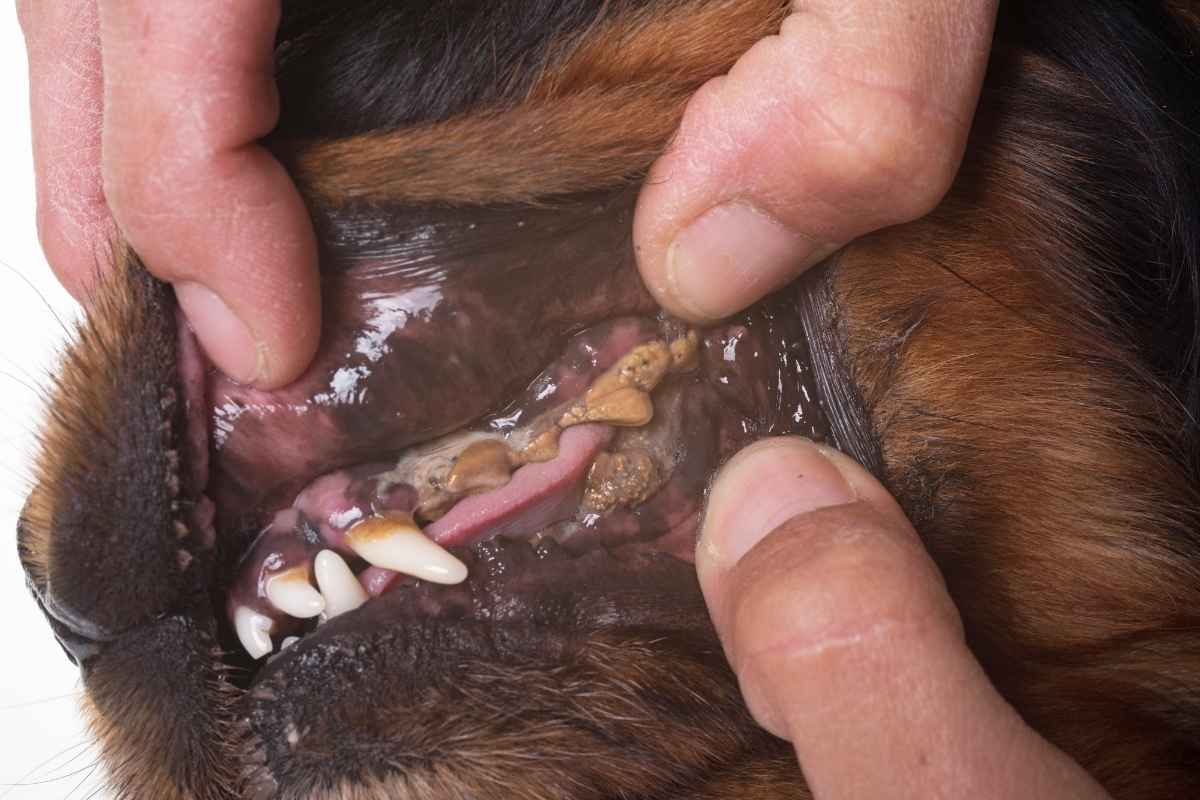
Dental disease is common in cats, and plaque can accumulate on the teeth when oral hygiene is inadequate. Over time, plaque can harden into tartar and contribute to gum inflammation. Untreated dental disease can cause discomfort and affect a cat’s willingness to eat or interact normally.
Rescue cats may have an unknown history of dental examinations or previous treatment. Therefore, an initial veterinary examination can help determine whether your cat already has dental problems that need professional attention.
Watch for signs such as:
- Persistent bad breath
- Red or swollen gums
- Drooling
- Difficulty chewing
- Dropping food
- Pawing at the mouth
- Reduced appetite
- Loose or damaged teeth
- Changes in grooming behavior
Start With a Dental Examination
Before beginning a toothbrushing routine, consider having your rescue cat’s mouth examined by a veterinarian. This step becomes especially important if you notice visible tartar, inflamed gums, broken teeth, or changes in eating habits.
Brushing can help control plaque, but it cannot remove established tartar or treat dental disease below the gumline. If your cat needs professional dental treatment, that concern should be addressed before focusing on routine home brushing.
Once your veterinarian confirms that home brushing is appropriate, you can begin introducing it gradually.
Give Your Rescue Cat Time to Settle In
A new home can be overwhelming for a rescue cat. Unfamiliar people, smells, sounds, and surroundings may cause anxiety.
For that reason, avoid introducing a toothbrush immediately after adoption. First, allow your cat to establish a predictable routine and become comfortable with you.
Spend time playing, feeding, and interacting without attempting to handle the mouth. When your cat begins to approach you willingly and accepts gentle touches around the head, you can start the next step.
Step 1: Get Your Cat Comfortable With Face Handling
Choose a quiet time when your cat appears relaxed. Gently touch the cheeks, chin, and sides of the face for a few seconds.
If your cat remains calm, offer praise or a suitable treat. Repeat this process during short sessions.
Do not hold your cat down or force its mouth open. If your cat becomes uncomfortable, stop and try again later.
The goal is to create a positive association with facial handling.
Step 2: Introduce Cat-Safe Toothpaste
Once your cat accepts gentle facial contact, introduce toothpaste made specifically for cats.
Never use human toothpaste. Cats swallow toothpaste rather than rinsing and spitting it out, and certain ingredients in human products may be unsafe for pets.
Place a small amount of cat-safe toothpaste on your finger and allow your cat to smell and taste it. Continue this step until your cat accepts the flavor without showing signs of stress.
Step 3: Try Finger Brushing
After your cat becomes comfortable with the toothpaste, gently rub your finger along the outside surfaces of the teeth.
Start with only a few seconds. Focus on the outer teeth because plaque commonly accumulates along the gumline.
Keep the experience calm and positive. Reward cooperation after each session, even if you only brush for a few seconds.
Step 4: Introduce a Cat Toothbrush
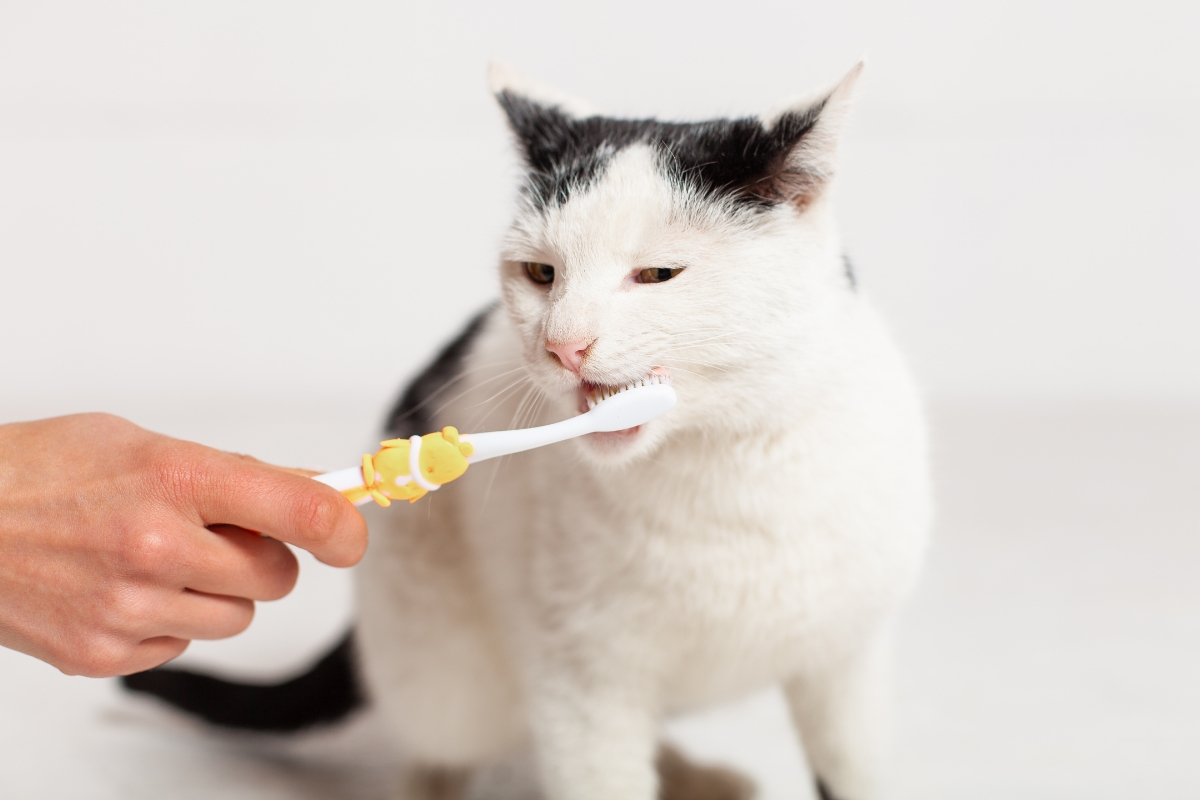
Once your cat accepts finger brushing, introduce a soft toothbrush designed for cats.
Let your cat inspect and smell the brush before using it. Then, gently touch the brush to the outer teeth.
Gradually introduce small brushing movements. You do not need to brush every tooth during the first session.
Keep the Sessions Short
Short, consistent sessions usually work better than forcing your cat through a long brushing session.
A gradual progression can include:
- Touching the face
- Lifting the lip briefly
- Tasting cat-safe toothpaste
- Finger brushing
- Introducing the toothbrush
- Gradually increasing brushing time
Move forward only when your cat is comfortable with the current step.
What If Your Cat Refuses Toothbrushing?
Some cats may never fully accept a toothbrush. If your rescue cat becomes highly stressed, stop and return to an earlier step.
Your veterinarian may also recommend other oral hygiene products, such as dental diets, treats, wipes, gels, or water additives formulated for cats.
These options can support oral hygiene, but they should not replace professional dental treatment when disease is present.
When Should You Seek Professional Dental Care?
Contact a veterinarian if you notice persistent bad breath, bleeding gums, facial swelling, excessive drooling, difficulty eating, sudden food refusal, or unusual sensitivity around the mouth.
Cats often hide pain, so subtle changes in behavior can also be meaningful. A cat that suddenly becomes irritable, stops grooming, or chews differently may be experiencing oral discomfort.
Maintaining a Long-Term Dental Routine
Once your cat becomes comfortable, aim for regular brushing. Daily brushing is generally ideal for controlling plaque, although some cats need more time to reach that frequency.
Choose a consistent time when your cat is relaxed. Keep dental supplies accessible and reward cooperation. Most importantly, never punish your cat for resisting.
For local pet owners, Farmington Veterinary Hospital can help assess your rescue cat’s oral health and provide guidance on establishing an appropriate preventive dental routine.
A rescue cat may need time before accepting a new dental routine. Start with trust, introduce facial handling gradually, and then progress from cat-safe toothpaste to finger brushing and a soft toothbrush. Consistency and positive reinforcement can make the process easier for both you and your cat.
Professional dental examinations also remain an important part of preventive care, particularly when your cat’s previous health history is unknown.
Schedule your appointment with Farmington Veterinary Hospital to discuss your rescue cat’s oral health and create a comfortable, appropriate dental care plan.
Frequently Asked Questions
Q1. When should I start brushing my rescue cat’s teeth?
Ans: Begin after your cat has adjusted to the new home and accepts gentle handling around the face. If you notice signs of dental disease, arrange a veterinary examination before starting home brushing.
Q2. Can I use human toothpaste for my cat?
Ans: No. Use toothpaste specifically formulated for cats. Human toothpaste may contain ingredients that are unsafe for cats when swallowed.
Q3. How often should I brush my cat’s teeth?
Ans: Daily brushing is generally recommended to help control plaque. However, introduce brushing gradually and focus on creating a routine your cat can comfortably tolerate.
Q4. What if my rescue cat already has tartar?
Ans: Brushing cannot effectively remove established tartar. A veterinarian should examine your cat and determine whether professional dental treatment is appropriate.
Q5. Why does my cat have bad breath?
Ans: Persistent bad breath can be associated with dental disease or other health concerns. A veterinary examination can help determine the underlying cause.
Q6. What should I do if my cat refuses toothbrushing?
Ans: Do not force your cat. Return to gentle face handling and gradually reintroduce the process. You can also ask your veterinarian about alternative products that support oral hygiene.