Your dog’s smile does more than light up your day—it also reveals important clues about their overall health. Unfortunately, dental problems often go unnoticed until they become painful and serious. A tooth infection can affect your dog’s mouth, gums, jaw, and even vital organs if left untreated. Therefore, recognizing the early signs that your dog has a tooth infection is critical.
Dental infections are more common than many pet owners realize. In fact, bacteria from the mouth can travel through the bloodstream and impact the heart, liver, and kidneys. That’s why understanding symptoms, causes, and treatment options is essential—especially for pet parents who want proactive care in Farmington, NY.
What Causes a Tooth Infection in Dogs?
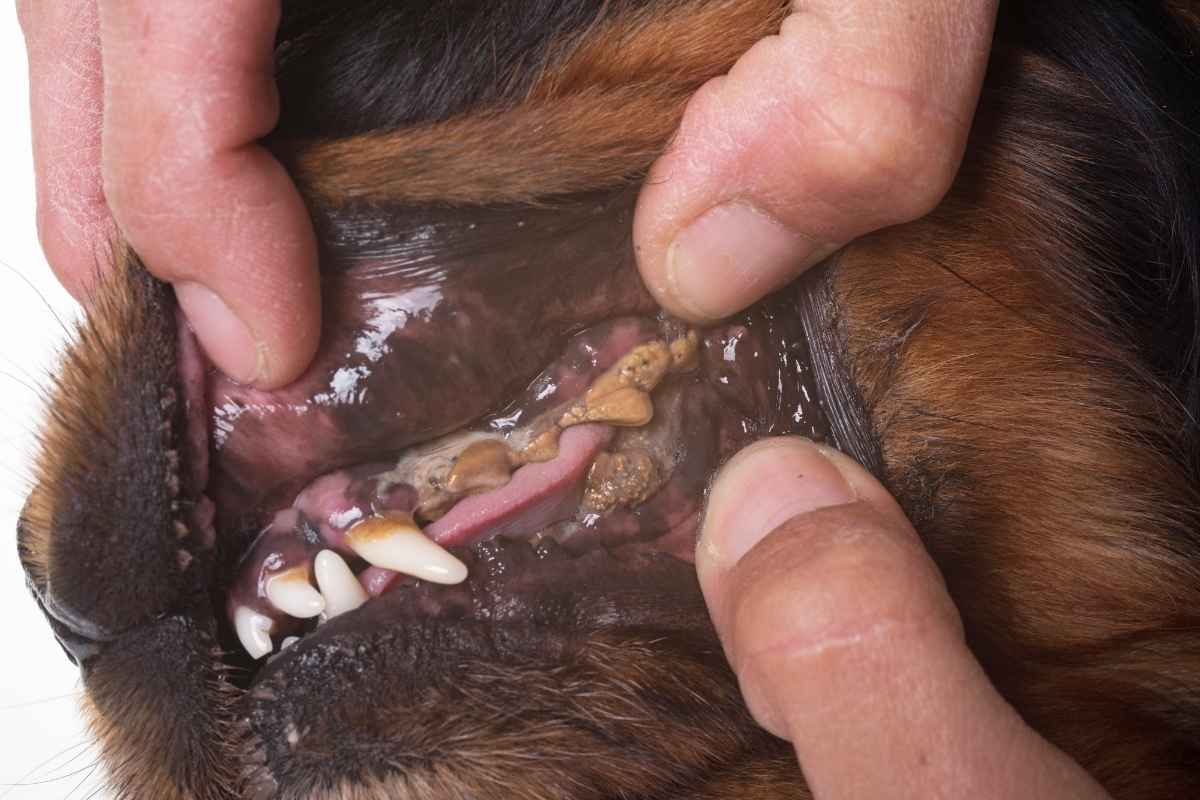
Tooth infections usually begin with plaque and tartar buildup. Over time, bacteria invade the gums and settle around the tooth root. If untreated, the infection spreads beneath the gum line and into the surrounding bone.
Common causes include:
- Poor dental hygiene
- Broken or fractured teeth
- Advanced periodontal disease
- Untreated cavities
- Trauma to the mouth or jaw
Additionally, certain breeds are more prone to dental disease due to the alignment of their teeth and jaw structure.
Signs Your Dog Has a Tooth Infection
Because dogs cannot tell us when they feel pain, you must watch for subtle behavioral and physical changes. Below are the most common signs your dog has a tooth infection.
1. Persistent Bad Breath
While mild dog breath is normal, an extremely foul odor often signals infection. Bacteria in the mouth produce a strong, unpleasant smell that doesn’t go away.
2. Swelling Around the Face or Jaw
An abscessed tooth can cause visible swelling under the eye, along the cheek, or near the jaw. This swelling may feel warm or firm to the touch.
3. Red or Bleeding Gums
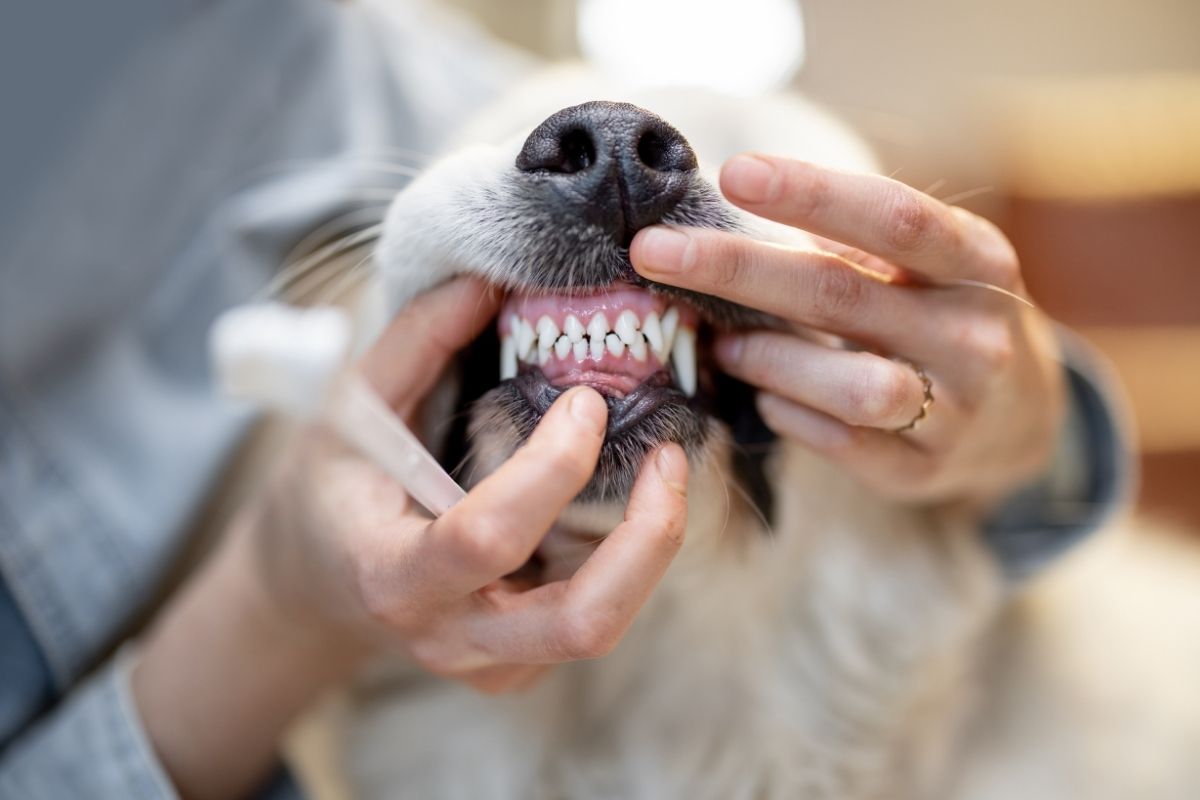
Healthy gums appear pink and firm. However, infected gums look red, inflamed, or may bleed when touched. You might also notice tenderness when your dog chews.
4. Difficulty Eating or Chewing
If your dog suddenly avoids hard food, drops kibble, or chews on only one side of the mouth, pain could be the cause. Tooth infections often make biting uncomfortable.
5. Excessive Drooling
Drooling more than usual can signal mouth pain. In some cases, saliva may contain traces of blood.
6. Pawing at the Mouth or Face
Dogs often rub their face on furniture or paw at their mouths when they experience discomfort in their teeth or gums.
7. Behavioral Changes
Pain affects mood. You may notice irritability, withdrawal, or decreased activity. Some dogs even resist having their head or neck touched.
Why You Shouldn’t Ignore a Dental Infection
A tooth infection doesn’t stay confined to the mouth. Instead, bacteria can enter the bloodstream and spread throughout the body. Consequently, untreated infections may lead to:
- Heart complications
- Liver or kidney issues
- Bone loss in the jaw
- Chronic pain
Early intervention prevents serious health consequences and reduces the need for extensive procedures.
Diagnosis and Treatment Options
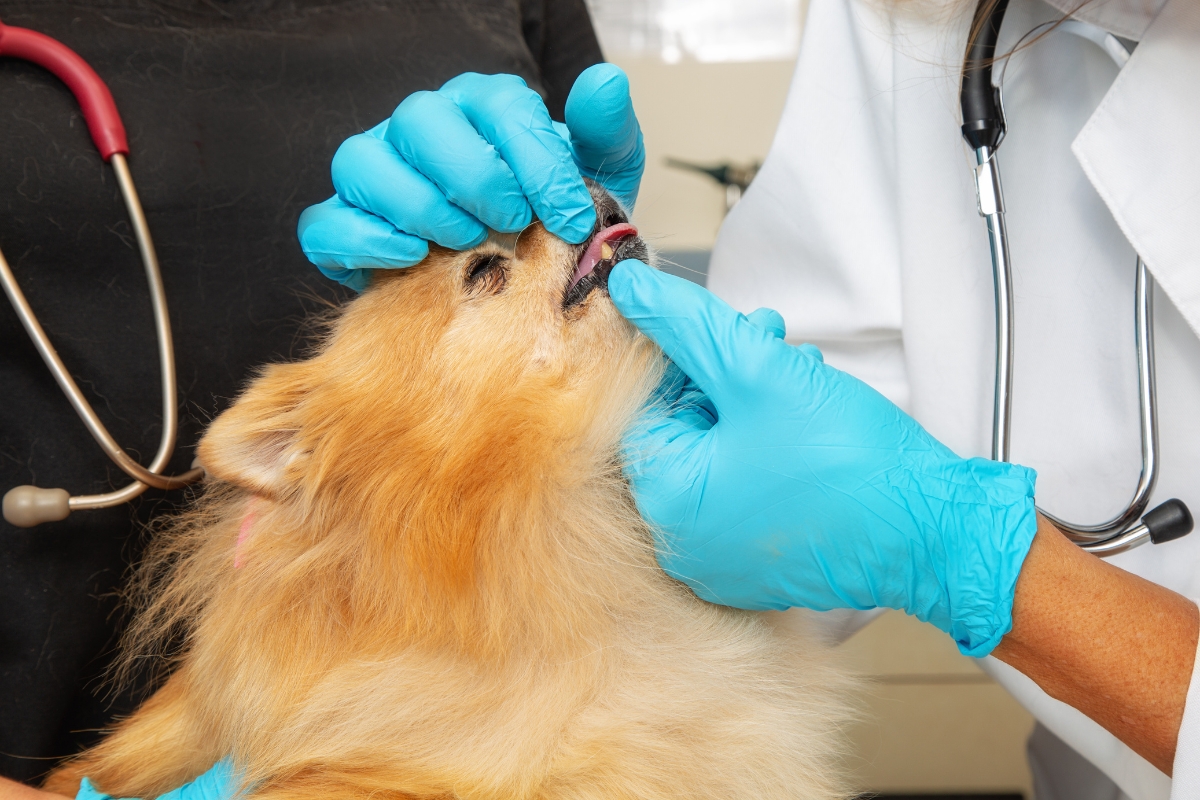
If you suspect your dog has an infection, your veterinarian will perform a thorough oral exam. In many cases, dental X-rays are necessary to evaluate the tooth roots and surrounding bone.
Treatment may include:
- Professional dental cleaning
- Antibiotics to eliminate infection
- Tooth extraction if damage is severe
- Pain management medications
In advanced cases, surgical intervention may be required. Fortunately, modern veterinary dental care is safe and highly effective when performed by experienced professionals.
Preventing Tooth Infections in Dogs
Prevention always costs less—and causes less stress—than treatment. Therefore, incorporate these habits into your routine:
Brush Your Dog’s Teeth
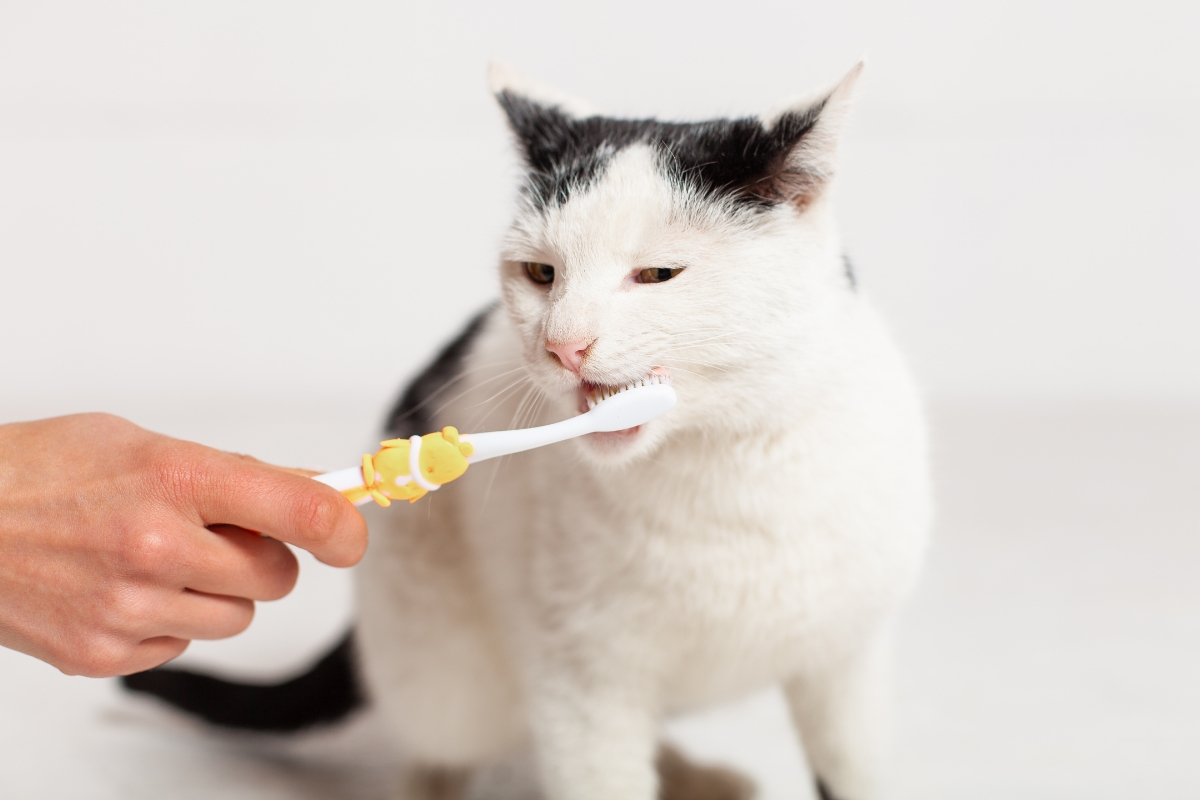
Daily or weekly brushing removes plaque before it hardens into tartar. Use dog-specific toothpaste to protect the enamel and gums.
Provide Dental Chews
Approved dental chews help reduce buildup while supporting healthy teeth and jaw strength.
Schedule Professional Cleanings
Routine exams and cleanings allow your vet to detect issues early. Preventive veterinary dental care keeps your dog’s mouth healthy long-term.
Monitor Diet
High-quality food supports overall oral health. Avoid giving hard objects that can fracture teeth.
When to See a Veterinarian
Contact your veterinarian immediately if you notice:
- Facial swelling
- Refusal to eat
- Visible pus near the gums
- Persistent bad breath
- Signs of pain when touching the mouth
Prompt care relieves discomfort and prevents complications.
Long-Term Oral Health Matters
Just like humans, dogs need consistent dental maintenance throughout their lives. Puppies benefit from early training to accept tooth brushing, while senior dogs require regular monitoring for gum disease and tooth loss.
By staying proactive, you protect not only your dog’s mouth but also their heart, liver, and overall well-being. Healthy teeth contribute to better nutrition, energy levels, and quality of life.
A tooth infection is painful and potentially dangerous if left untreated. Fortunately, early detection and prompt treatment can restore comfort and protect your dog’s long-term health. By watching for warning signs and maintaining consistent oral hygiene, you can prevent serious complications.
If you are in Farmington, NY, and looking for a veterinarian near you, book an appointment with Farmington Veterinary Hospital. Our experienced team provides thorough dental evaluations, advanced treatment options, and compassionate care to keep your dog’s teeth and gums healthy for years to come.
FAQs
Q1. Can a dog tooth infection heal on its own?
Ans. No. Without treatment, the infection usually worsens and can spread to other parts of the body.
Q2. How do I know if my dog’s bad breath is serious?
Ans. If the odor is unusually strong or accompanied by red gums or drooling, consult your veterinarian.
Q3. Is tooth extraction safe for dogs?
Ans. Yes. When performed under proper anesthesia and monitoring, extractions are safe and often necessary to relieve pain.
Q4. How much does dental treatment typically cost?
Ans. Costs vary depending on severity, diagnostics, and procedures required. Early care is usually less expensive.
Q5. How often should my dog receive dental checkups?
Ans. Most dogs benefit from annual exams, though some may need more frequent visits.
Q6. Can small dogs get tooth infections more easily?
Ans. Yes. Small breeds often have crowded teeth, which increases plaque buildup and infection risk.