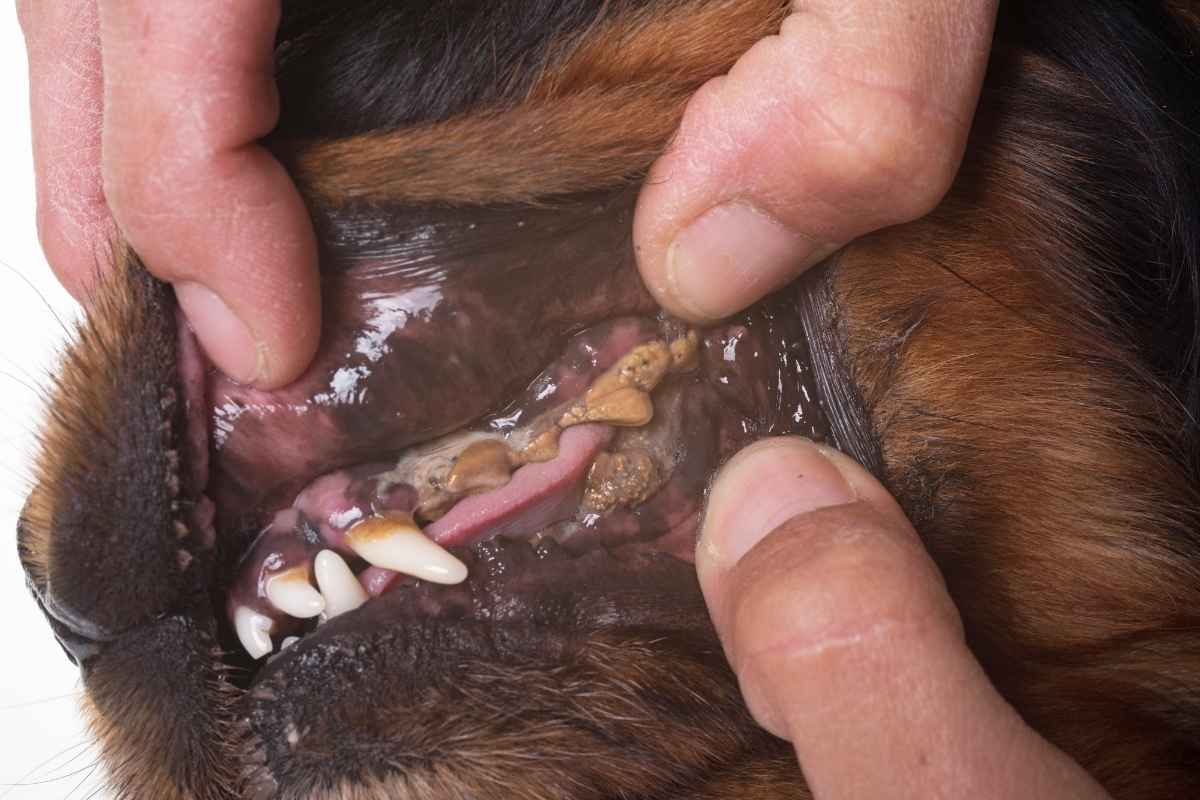
Is your pet’s bad breath making cuddle time a little less pleasant? While it’s easy to laugh off, that odor is often the first sign of dental disease, a serious condition affecting over 80% of adult pets. Proper dental hygiene isn’t just about fresh breath; it’s a cornerstone of your pet’s overall health and longevity.
Neglecting their teeth can lead to painful gums, tooth loss, and even systemic infections affecting the heart, liver, and kidneys. Fortunately, a simple daily routine can make all the difference. This guide will help you choose the best toothpaste for dogs and cats, ensuring their smile stays as bright as their personality.
The Golden Rule: Why Human Toothpaste is a “No-Go” for Pets
Before we explore the best options, we must address a critical safety rule: never use human toothpaste on your dog or cat. Our toothpaste is designed to be spit out, but pets swallow it, leading to serious health risks.
Most human formulas contain ingredients that are toxic to pets. Xylitol, a common artificial sweetener, is extremely poisonous to dogs and can cause a life-threatening drop in blood sugar and liver failure. Additionally, fluoride can cause severe stomach upset and is toxic in large quantities. Always stick to products made specifically for pets.
What to Look For in a Quality Pet Toothpaste
Choosing the right product can feel overwhelming, but a few key features separate the best from the rest. Look for these signs of a safe and effective formula.
The Power of Enzymatic Formulas
Many top-tier pet toothpastes are “enzymatic.” This means they contain natural enzymes, such as glucose oxidase and lactoperoxidase, that work to reduce bacteria, break down plaque, and prevent tartar from forming.
These enzymes continue working even after you’ve finished brushing, offering a significant boost to your pet’s oral hygiene. They are a powerful tool in the daily fight against dental disease.
The VOHC Seal: A Mark of Trust
For ultimate peace of mind, look for the Veterinary Oral Health Council (VOHC) Seal of Acceptance. This seal is only awarded to products that have scientifically proven their effectiveness at reducing plaque or tartar.
While many great products don’t have the seal (the application process is rigorous and voluntary), its presence is the gold standard for pet dental health products.
Flavors They’ll Actually Like
Brushing is much easier when your pet enjoys the experience. Manufacturers understand this and offer a range of pet-approved flavors.
Common options include poultry, beef, malt, and seafood. Finding a flavor your dog or cat loves can transform brushing from a chore into a daily treat.
Finding the right products is a great first step. For professional guidance on pet dental care in Farmington, NY, the team at Farmington Veterinary Hospital can provide a personalized plan for your companion.
A Simple Guide: How to Brush Your Pet’s Teeth
Introducing a toothbrush doesn’t have to be a battle. The key is to start slow and make it a positive experience.
- Introduce the Taste: Let your pet lick a small amount of the enzymatic toothpaste off your finger.
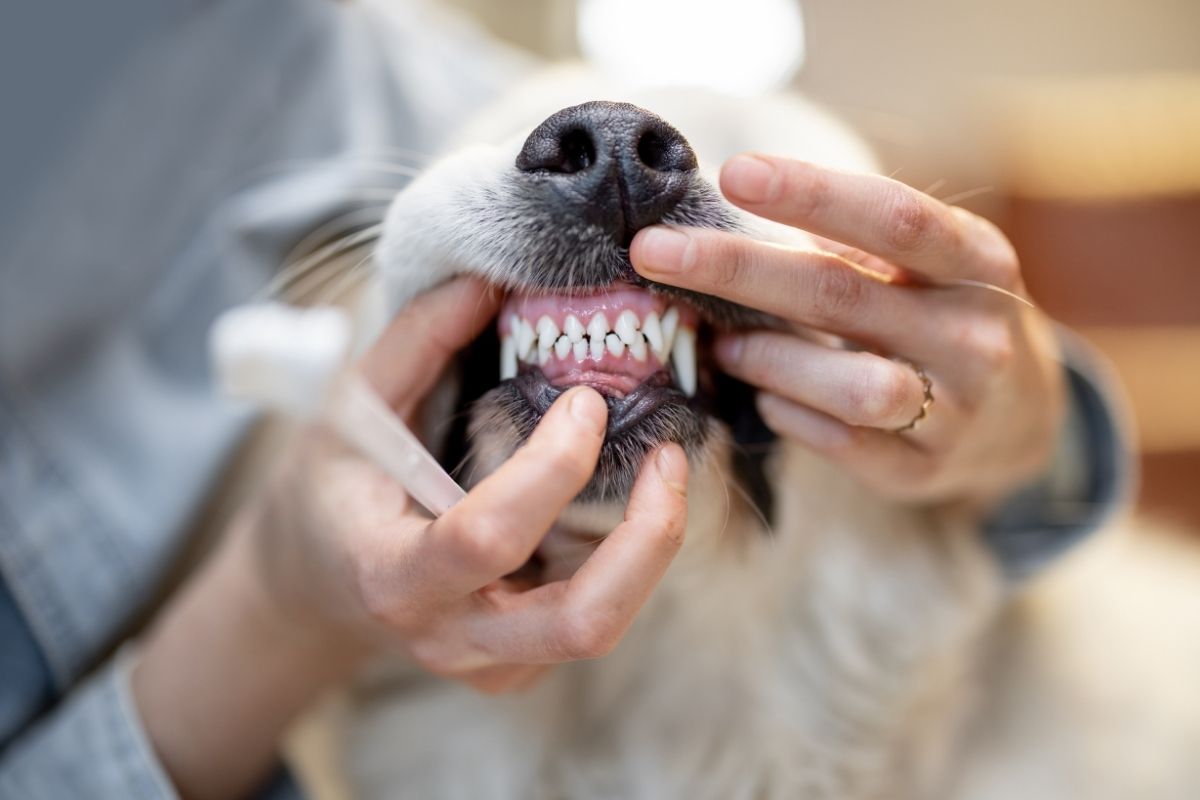
- Start with Your Finger: Gently rub the toothpaste on their teeth and gums with your finger.
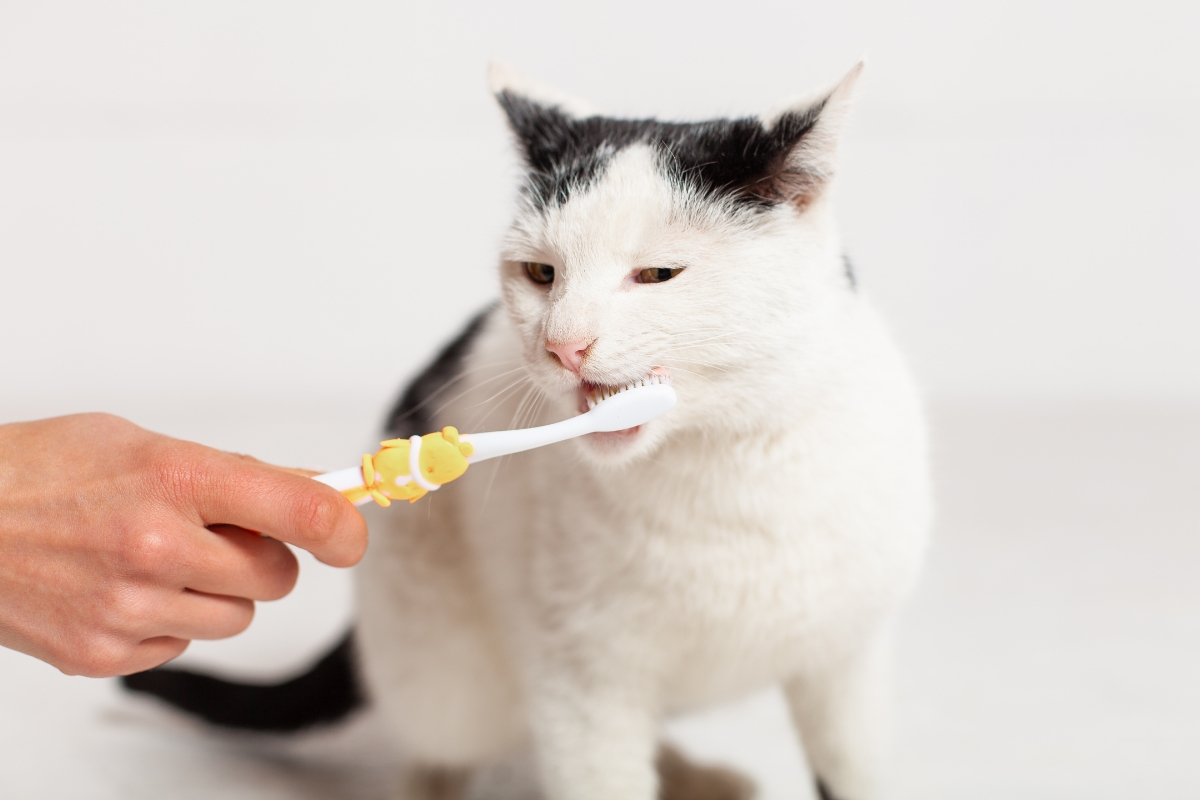
- Introduce the Brush: Use a soft-bristled pet toothbrush or finger brush. Focus on the outside of the teeth, where tartar builds up most.
- Keep it Short & Sweet: Aim for 30-60 seconds of brushing.
- Reward Them: End every session with praise, a favorite toy, or a dental treat to build a positive association.
Investing in your pet’s dental health is one of the most important things you can do for their long-term well-being. By choosing a safe, enzymatic toothpaste and committing to a routine, you are actively preventing pain and disease. Don’t wait for bad breath to become a bigger problem.
Your key takeaway is to start today. Find the best toothpaste for dogs and cats that suits your pet’s preferences and begin a dental care routine. The team at Farmington Veterinary Hospital can provide personalized recommendations and help you get started on the right paw.
Frequently Asked Questions:
Q1: How often should I brush my dog’s or cat’s teeth?
Ans: Daily brushing is the gold standard for preventing plaque and tartar buildup. If you can’t manage daily, aim for at least three times a week to provide meaningful benefits for your pet’s dental health.
Q2: Are there alternatives if my pet absolutely hates brushing?
Ans: Yes. While brushing is most effective, VOHC-accepted dental chews, water additives, and dental wipes can help. These are great supplements to brushing or for pets who will not tolerate it at all.
Q3: Can I use baking soda to clean my pet’s teeth?
Ans: No, you should not use baking soda. It has a high alkaline content that can upset your pet’s stomach if swallowed. Furthermore, its abrasive nature can damage tooth enamel over time.
Q4: At what age should I start brushing my pet’s teeth?
Ans: You should start as early as possible. Introducing your puppy or kitten to the process when they are young helps them accept it as a normal part of their daily routine, making it much easier as they grow.
Q5: What is the difference between dog toothpaste and cat toothpaste?
Ans: The main difference is usually the flavor. Many enzymatic toothpastes are safe for both species, but cats may prefer flavors like malt or fish, while dogs often prefer poultry or beef. Always check the label to ensure it’s suitable for your specific pet.
Q6: My pet’s gums are bleeding when I brush. Should I stop?
Ans: A small amount of bleeding can occur if your pet has mild gingivitis. However, if the bleeding is heavy or persistent, stop and consult your veterinarian, as it may indicate more advanced periodontal disease.