Watching your cat undergo surgery can be stressful, but proper aftercare plays a significant role in ensuring a smooth recovery. While every procedure is different, the healing process often depends on careful monitoring, following your veterinarian’s instructions, and providing a calm environment at home. By taking the right steps each day, you can help reduce discomfort, lower the risk of complications, and support your cat’s return to normal activities.
Cats are experts at hiding pain and discomfort. Therefore, it is important to observe their behavior closely during recovery. Small changes in appetite, energy level, or the appearance of the surgical site may indicate that your cat needs additional veterinary attention. Fortunately, with patience and consistent care, most cats recover well after surgery.
This guide outlines practical, veterinarian-recommended steps to help your cat heal safely and comfortably after a surgical procedure.
Prepare a Quiet Recovery Space
The first few days after surgery are often the most important. Therefore, create a quiet, comfortable area where your cat can rest without unnecessary activity.
Choose a recovery area that includes:
- Soft, clean bedding
- Easy access to fresh water
- Food placed nearby
- A clean litter box within easy reach
- Minimal noise and household activity
Additionally, keep other pets and young children away from your recovering cat whenever possible. Reducing stress helps promote healing.
Follow Medication Instructions Carefully
Pain management and prescribed medications are essential parts of recovery. Even if your cat appears comfortable, continue giving medications exactly as directed by your veterinarian.
To ensure safe medication use:
- Give medications on schedule.
- Never skip doses without veterinary guidance.
- Do not stop antibiotics early.
- Avoid giving human medications, as many are toxic to cats.
If your cat spits out medication or experiences vomiting after taking it, contact your veterinarian for advice before giving another dose.
Monitor the Surgical Incision Daily
Checking the incision every day allows you to identify potential problems early.
A normal incision may have:
- Mild redness
- Slight swelling
- Minimal clear drainage during the first day or two
However, contact your veterinarian if you notice:
- Thick yellow or green discharge
- A foul odor
- Significant swelling
- Bleeding
- Open stitches
- Excessive redness that worsens
Early evaluation can prevent minor concerns from becoming more serious.
Prevent Licking and Chewing
Cats naturally groom themselves, but excessive licking can delay healing and increase the risk of infection.
Your veterinarian may recommend:
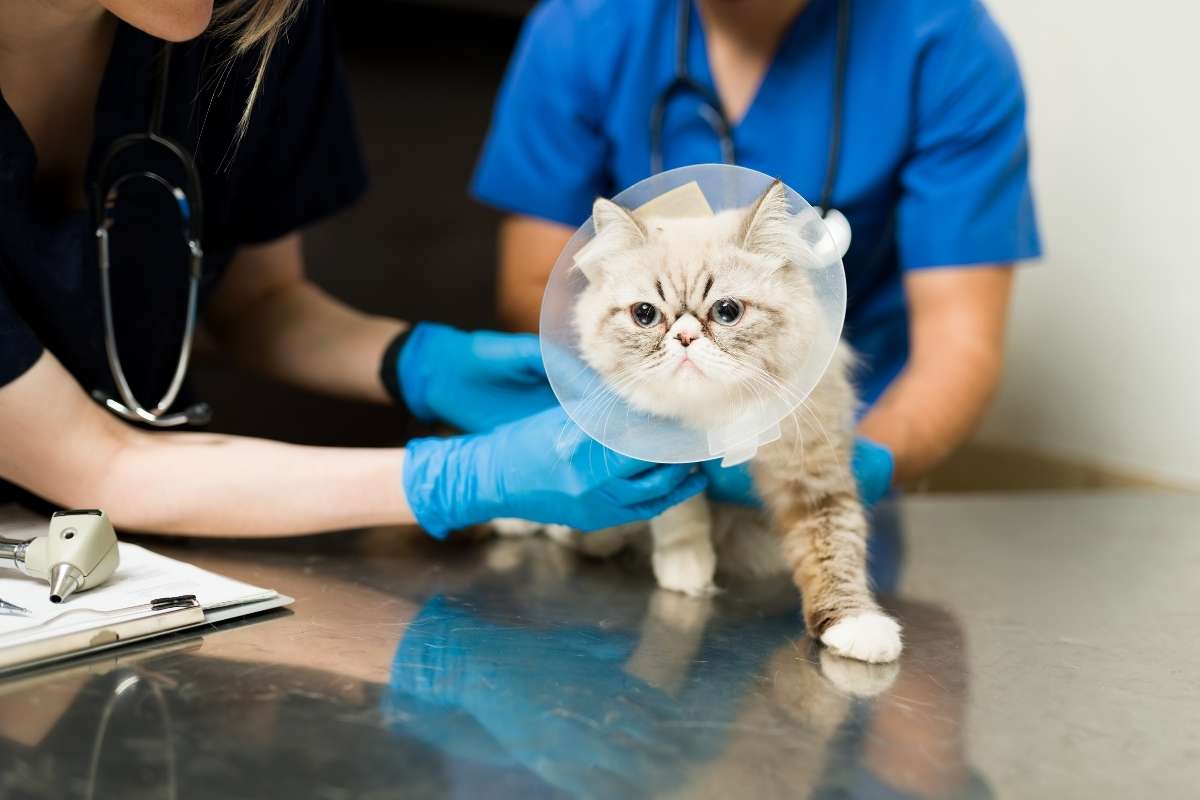
- An Elizabethan collar (E-collar)
- A recovery suit
- Soft protective collars when appropriate
Although your cat may initially dislike wearing protective equipment, keeping the incision protected greatly improves healing.
Encourage Rest While Limiting Activity
Even energetic cats need time to recover after surgery. Although they may begin acting normally after a few days, internal tissues often require several weeks to heal.
During recovery:
- Prevent jumping on furniture.
- Limit running and rough play.
- Avoid climbing stairs when possible.
- Keep your cat indoors.
- Follow activity restrictions provided by your veterinarian.
Gradually increasing activity helps protect the surgical site while allowing healing to progress.
Support Recovery with Proper Nutrition
Nutrition plays an important role in tissue repair and immune function.
Some cats have a reduced appetite immediately after surgery. Therefore:
- Offer small, easily digestible meals.
- Ensure fresh water is always available.
- Feed the diet recommended by your veterinarian.
- Avoid introducing new foods during recovery.
If your cat refuses food for more than 24 hours or shows repeated vomiting, contact your veterinarian promptly.
Keep the Litter Box Clean
A clean litter box reduces bacterial exposure while encouraging normal elimination.
If your veterinarian recommends a temporary litter change, follow those instructions carefully. Some surgical procedures require dust-free litter during recovery to prevent contamination of the incision.
Additionally, monitor your cat’s urination and bowel movements. Difficulty using the litter box or prolonged constipation should be reported to your veterinarian.
Watch for Changes in Behavior
Behavior often provides valuable clues about your cat’s recovery.
Monitor for:
- Excessive hiding
- Crying or vocalization
- Aggression when touched
- Loss of appetite
- Lethargy
- Difficulty walking
- Labored breathing
Although mild tiredness is expected during the first day, worsening symptoms should always be evaluated.
Attend Follow-Up Appointments
Follow-up visits allow your veterinarian to monitor healing and determine whether recovery is progressing as expected.
During these appointments, your veterinarian may:
- Examine the incision
- Remove sutures or staples if necessary
- Adjust medications
- Discuss activity restrictions
- Answer any recovery questions
Attending these visits is just as important as the surgery itself.
Common Mistakes to Avoid During Recovery
Many complications occur because well-meaning owners unintentionally allow too much activity or discontinue medications too early.
Avoid these common mistakes:
- Allowing unrestricted jumping
- Removing the protective collar too soon
- Missing medication doses
- Bathing your cat before the incision heals
- Ignoring signs of swelling or discharge
- Feeding excessive treats instead of balanced meals
Following your veterinarian’s instructions carefully helps minimize unnecessary setbacks.
When Should You Contact Your Veterinarian?
Although most cats recover without complications, some symptoms require prompt attention.
Contact your veterinarian if your cat experiences:
- Persistent vomiting
- Refusal to eat for more than 24 hours
- Difficulty breathing
- Excessive bleeding
- Open surgical wounds
- Large amounts of swelling
- Fever
- Severe lethargy
- Difficulty urinating
- Sudden behavioral changes
Acting quickly can help address complications before they become more serious.
Helping Your Cat Heal with Confidence
Recovering from surgery takes time, patience, and consistent care. By providing a quiet environment, following medication instructions, monitoring the incision, and attending follow-up appointments, you can help your cat heal safely and comfortably. Every cat recovers at a different pace, so maintaining close communication with your veterinarian throughout the healing process is essential.
If you need guidance after your cat’s procedure or are looking for trusted pet surgical services in Farmington, NY, contact Farmington Veterinary Hospital. Our experienced veterinary team is committed to supporting your pet’s recovery and providing compassionate surgical care for families in Farmington, NY.
Frequently Asked Questions
Q1. How long does it usually take for a cat to recover from surgery?
Ans: Recovery time depends on the type of surgery, your cat’s age, and overall health. Many cats begin feeling better within a few days, but complete healing may take several weeks. Always follow your veterinarian’s recovery instructions.
Q2. Is it normal for my cat to sleep more after surgery?
Ans: Yes. Increased sleepiness is common during the first 24 to 48 hours due to anesthesia and the healing process. However, prolonged lethargy or difficulty waking should be reported to your veterinarian.
Q3. What should I do if my cat keeps licking the incision?
Ans: Prevent your cat from licking the surgical site by using an Elizabethan collar or another veterinarian-approved recovery device. Excessive licking can delay healing and increase the risk of infection.
Q4. When can my cat return to normal activities?
Ans: Activity restrictions vary depending on the procedure. Most cats should avoid jumping, climbing, and vigorous play until your veterinarian confirms that healing is progressing appropriately.
Q5. What signs indicate that my cat’s incision may not be healing properly?
Ans: Contact your veterinarian if you notice excessive redness, swelling, bleeding, foul-smelling discharge, open stitches, or persistent pain around the incision site.
Q6. What should my cat eat after surgery?
Ans: Offer small, easily digestible meals and ensure fresh water is always available. Feed the diet recommended by your veterinarian, and contact the clinic if your cat refuses food for more than 24 hours or experiences repeated vomiting.