Your pet’s dental health impacts far more than just their smile—it influences their entire quality of life. Many pet owners overlook oral care until painful problems develop, but prevention always surpasses treatment in effectiveness and cost.
Understanding the long-term benefits of regular veterinary dental care helps responsible owners prioritize this essential aspect of pet wellness. Professional cleanings and examinations catch hidden issues before they become serious health threats.
In this comprehensive guide, we’ll explore how consistent dental care extends lives, prevents suffering, and saves money over time. Your furry companion deserves a lifetime of healthy teeth and comfortable eating. Let’s discover why professional dental attention matters so much!
Understanding Professional Veterinary Dental Care
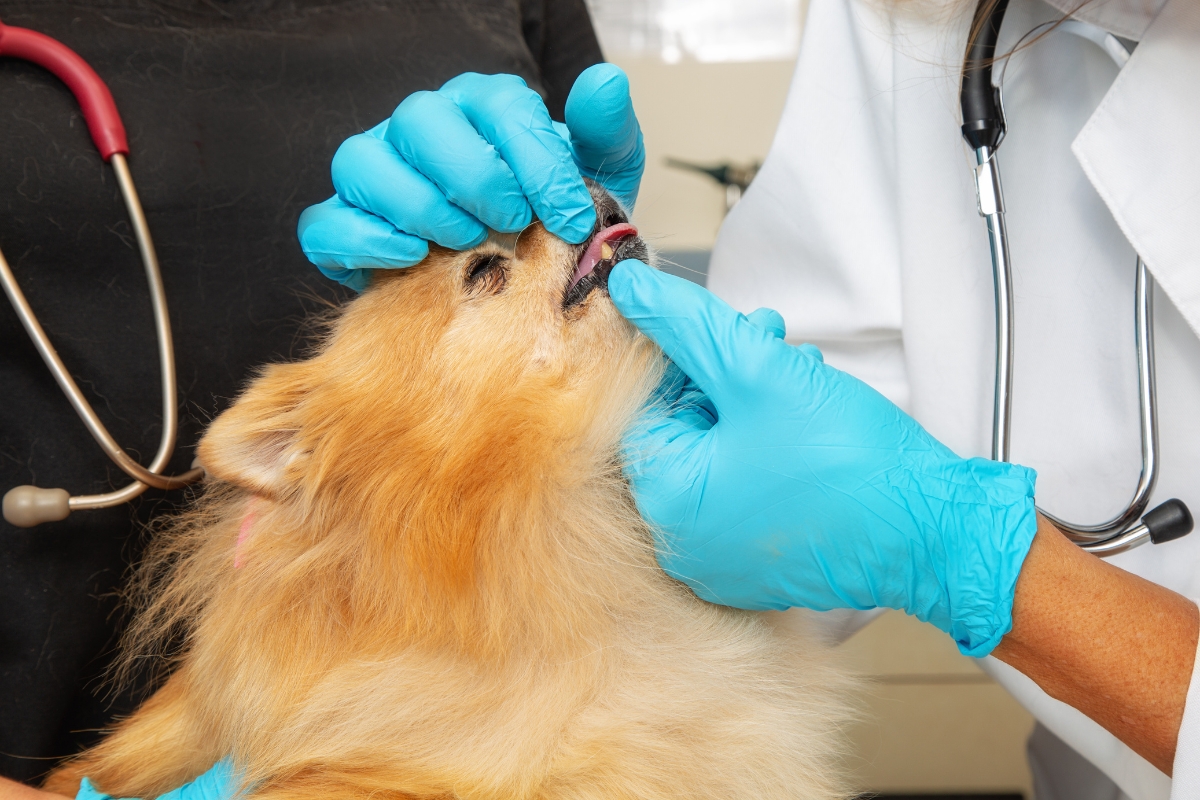
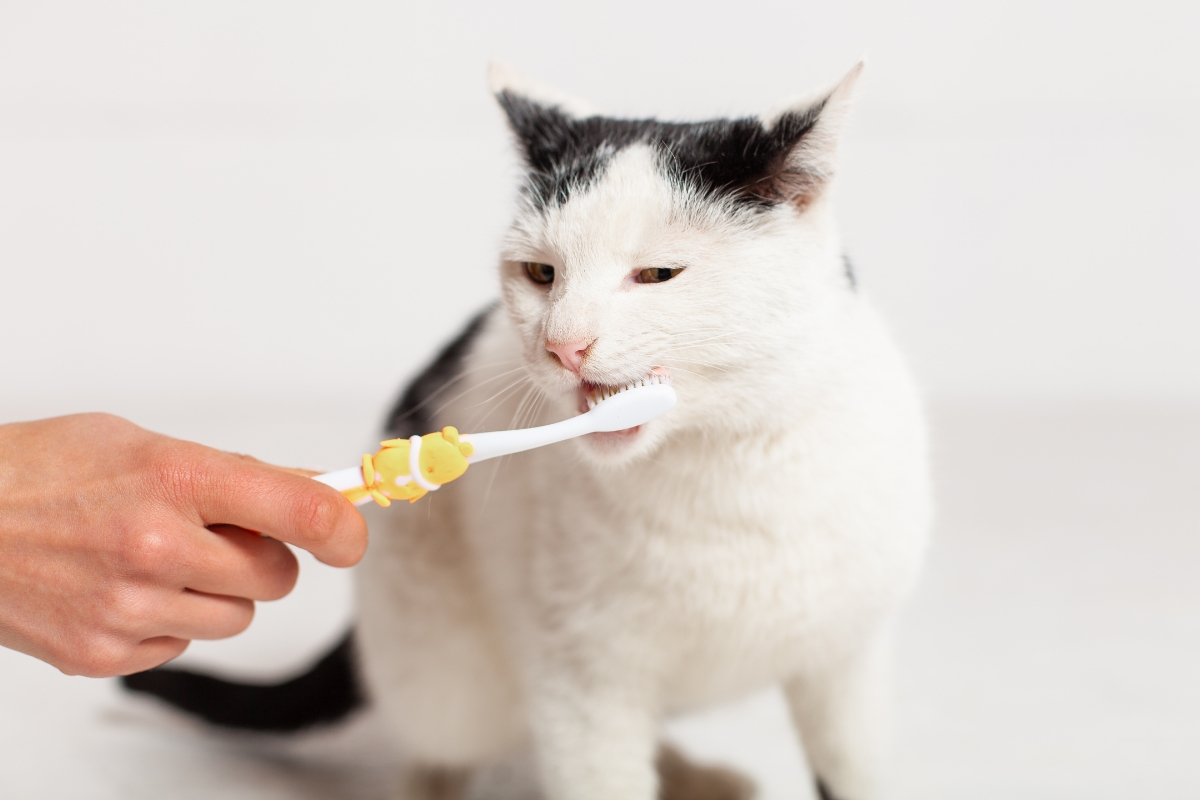
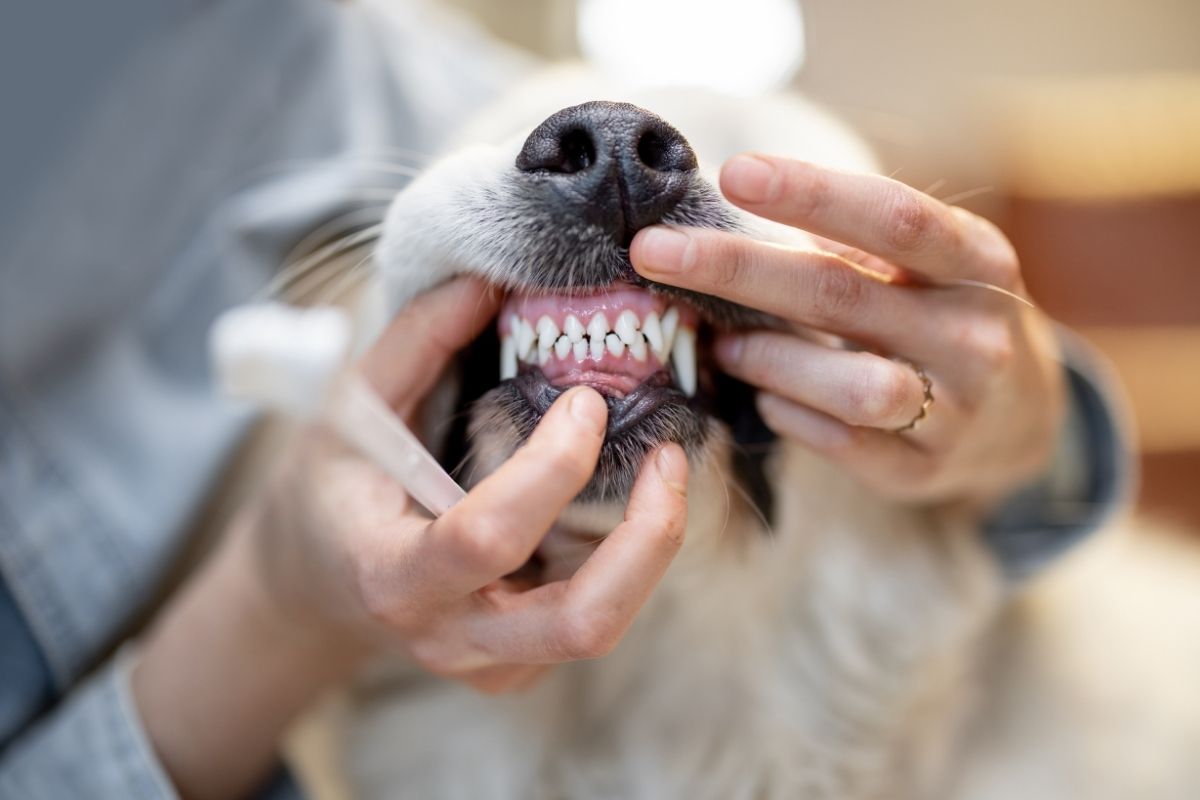
Professional dental care differs significantly from at-home maintenance. While daily brushing removes surface plaque, veterinary cleanings address areas impossible to reach otherwise.
During professional dental procedures, veterinarians:
- Perform thorough examinations: Check each tooth and the surrounding tissue carefully.
- Take dental radiographs: X-rays reveal hidden problems beneath the gum line.
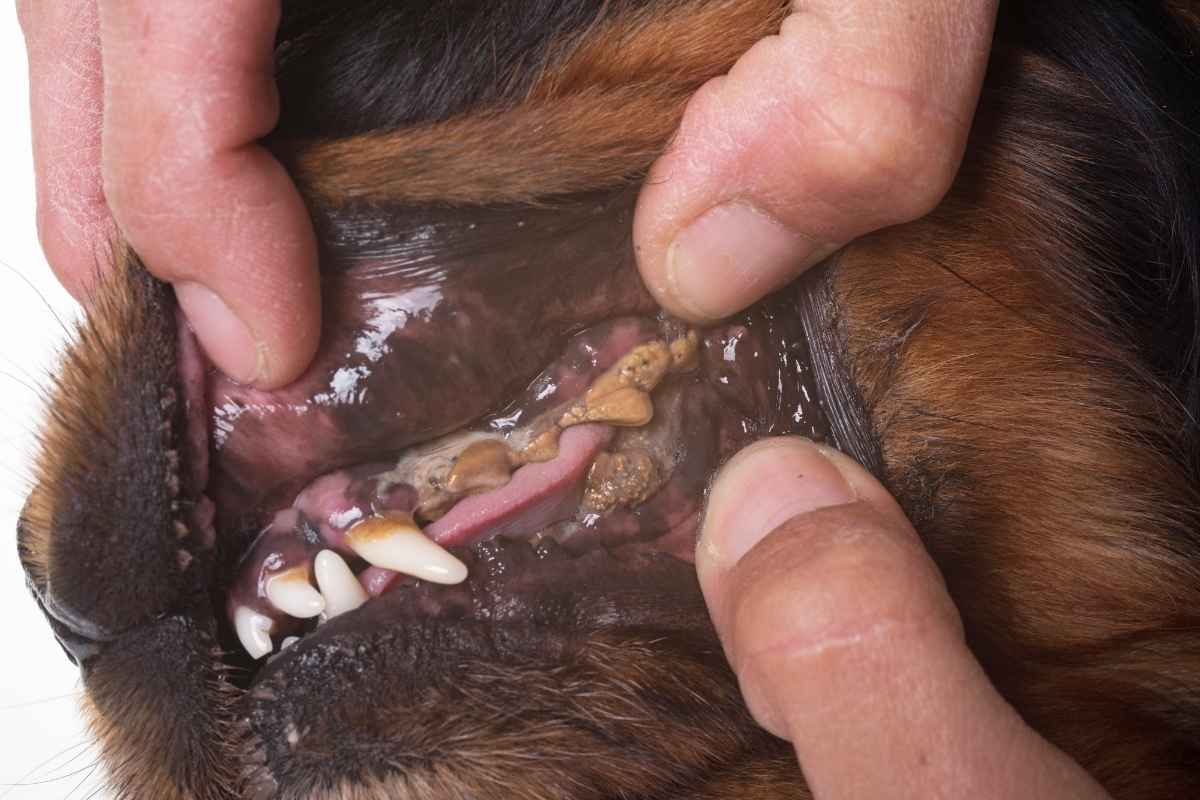
- Scale and polish teeth: Removing hardened tartar that brushing cannot eliminate.
- Extract damaged teeth: Relieving pain from irreparably decayed teeth.
- Treat gum disease: Addressing infections before they spread systemically.
These comprehensive services require general anesthesia for safety and effectiveness. Anesthesia allows complete examination without causing stress or discomfort.
How Regular Dental Care Extends Your Pet’s Life
Research consistently demonstrates connections between oral health and longevity. Pets receiving regular veterinary dental care live measurably longer, healthier lives.
Prevention of Systemic Disease
Dental bacteria don’t stay confined to the mouth. These harmful organisms enter the bloodstream through inflamed gum tissue, traveling throughout the body.
Consequently, untreated dental disease contributes to:
- Heart valve infections and cardiovascular damage
- Kidney disease and decreased function
- Liver complications affecting metabolism
- Respiratory infections from inhaled bacteria
Regular professional cleanings eliminate bacterial reservoirs before systemic spread occurs. This prevention directly translates to longer lifespans.
Early Detection of Oral Cancer
Veterinary dental examinations include thorough oral cancer screenings. Early detection dramatically improves treatment outcomes for these aggressive conditions.
Professionals at Farmington Veterinary Hospital emphasize that routine examinations catch suspicious growths when intervention remains most effective.
Financial Benefits of Preventive Dental Care
Investing in regular cleanings saves significant money compared to treating advanced dental disease. Many pet owners discover this truth after facing expensive emergency treatments.
Consider these cost comparisons:
- Routine cleaning: Moderate, predictable expense annually
- Advanced periodontal treatment: Three to five times higher costs
- Multiple extractions: Significantly increased surgical expenses
- Systemic disease treatment: Potentially thousands in ongoing care
Furthermore, pets with healthy mouths require fewer medications, fewer emergency visits, and experience fewer complications requiring hospitalization.
What Happens During Professional Dental Cleanings
Understanding the process helps pet owners appreciate the thoroughness professional care provides. Each cleaning follows established veterinary protocols.
Pre-Anesthetic Evaluation
Before any procedure, veterinarians assess overall health through blood work and physical examination. This evaluation ensures anesthesia safety for your individual pet.
Comprehensive Oral Examination
With patients comfortably anesthetized, veterinarians examine every tooth surface, the tongue, palate, and throat. They probe gum pockets, measuring periodontal health precisely.
Scaling and Polishing
Ultrasonic scalers remove tartar above and below the gum line. Afterward, polishing smooths enamel surfaces, making future plaque accumulation more difficult.
Dental Radiographs
X-rays reveal the 60% of tooth structure hidden beneath the gums. Many serious problems—including root abscesses, bone loss, and retained roots—remain invisible without radiographic imaging.
Experienced specialists in pet dentistry farmington utilize advanced imaging technology for comprehensive evaluations.
Recognizing When Your Pet Needs Dental Attention
Between annual cleanings, monitoring your pet’s oral health helps catch developing problems. Watch for these warning signs:
- Persistent bad breath despite home care
- Reluctance to eat hard foods or treats
- Pawing at the mouth or face rubbing
- Visible tartar accumulation on teeth
- Red, swollen, or bleeding gums
- Loose teeth or teeth falling out
- Unusual drooling or blood-tinged saliva
Never dismiss these symptoms as normal aging. Dental pain significantly diminishes quality of life and deserves prompt professional evaluation.
Recommended Frequency for Professional Cleanings
Most veterinarians recommend annual dental examinations and cleanings for adult pets. However, individual needs vary based on several factors.
Pets requiring more frequent care include:
- Small breed dogs (prone to crowding and disease)
- Brachycephalic breeds (flat-faced dogs and cats)
- Pets with a history of dental problems
- Senior animals with advancing periodontal disease
- Those with certain systemic health conditions
Your veterinarian will recommend appropriate scheduling based on your pet’s specific oral health status and risk factors.
Embracing the long-term benefits of regular veterinary dental care represents one of the best investments in your pet’s health and happiness. Professional cleanings prevent painful disease, extend lifespans, and ultimately save money.
Your action step? Schedule your pet’s dental examination today if more than twelve months have passed since their last professional cleaning. Early intervention and consistent care ensure your beloved companion enjoys comfortable eating and optimal health throughout their entire life!
Frequently Asked Questions:
Q1: Is anesthesia safe for dental cleanings in older pets?
Ans: Modern anesthesia protocols and monitoring make procedures safe for most seniors. Pre-anesthetic bloodwork identifies any concerns, and veterinarians adjust protocols accordingly.
Q2: How often do pets really need professional dental cleanings?
Ans: Most pets benefit from annual cleanings. However, some require more frequent care based on breed predisposition, existing conditions, or rapid tartar accumulation.
Q3: Can professional cleanings reverse existing dental disease?
Ans: Cleanings effectively treat early to moderate periodontal disease. Advanced cases may require extractions, but treatment still prevents further progression and relieves pain.
Q4: Why are dental cleanings more expensive than human dentist visits?
Ans: Veterinary cleanings require general anesthesia, specialized monitoring equipment, and comprehensive radiographs. These factors ensure thorough, stress-free treatment for non-cooperative patients.
Q5: Will my pet experience pain after dental procedures?
Ans: Veterinarians provide appropriate pain management for any extractions or treatments. Most pets recover quickly and feel significantly better once diseased teeth are addressed.
Q6: Do cats need professional dental care as often as dogs?
Ans: Yes, cats develop dental disease frequently and benefit equally from regular professional attention. Many cats hide dental pain exceptionally well, making examinations crucial.