Does your furry friend run away the moment they see a toothbrush? You’re not alone. Nearly 68% of dog owners struggle with dental care routines, yet maintaining proper oral hygiene can add 2-4 years to your pet’s life. This comprehensive guide will transform even the most resistant pup into a teeth-brushing champion.
Why Dog Dental Care Matters More Than You Think
Poor oral hygiene doesn’t just cause bad breath. Bacteria from periodontal disease can enter your dog’s bloodstream, potentially damaging their heart, liver, and kidneys. Regular teeth cleaning at home prevents costly dental procedures and keeps those tail wags coming for years.
Shocking statistic: By age three, 80% of dogs show signs of gum disease. Starting a dental routine today can prevent painful tooth extractions and expensive veterinary bills tomorrow.
Before You Start: Essential Supplies for Success
Must-Have Items:
- Canine toothpaste (never use human toothpaste – it’s toxic to dogs)
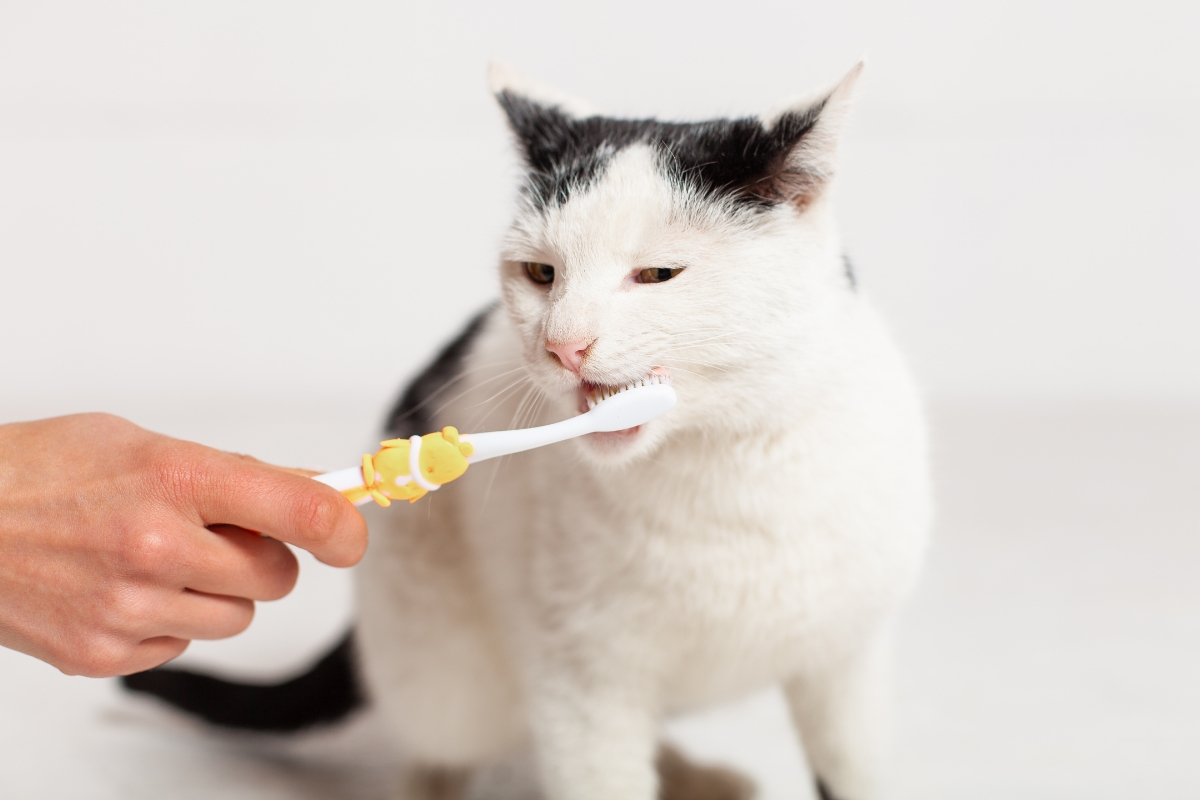
- Dog toothbrush or finger brush for beginners
- High-value treats for positive reinforcement
- Patience (your secret weapon)
Choosing the Right Toothpaste Flavor
Dogs can’t rinse and spit, so enzymatic toothpaste designed for pets comes in appetizing flavors like poultry, beef, or peanut butter. Start with a flavor sample pack to discover your pup’s preference.
The 7-Day Desensitization Method (For Nervous Dogs)
Days 1-2: Introduction Phase
Let your dog lick a tiny amount of dog toothpaste from your finger. Praise enthusiastically and offer treats. This creates positive associations with the taste.
Days 3-4: Touch Training
Gently lift your dog’s lips and touch their teeth and gums with your finger for 2-3 seconds. Reward immediately. Gradually increase contact time.
Days 5-6: Toothbrush Introduction
Allow your dog to investigate the toothbrush. Put toothpaste on it and let them lick it off. No brushing yet – just positive exposure.
Day 7: First Brushing Attempt
You’re ready to brush your dog’s teeth for the first time! Start with just the front teeth for 5 seconds. Celebrate like they’ve won the lottery.
Step-by-Step Brushing Technique
Step 1: Choose the Right Time
Pick a calm moment when your dog is relaxed, ideally after exercise or play. Avoid immediately after meals when their energy is high.
Step 2: Position for Success
- Small dogs: Hold them in your lap or on a table
- Large dogs: Sit beside them on the floor
- Anxious dogs: Start while they’re lying down
Step 3: The Approach
Speak in soothing tones. Gently lift the upper lip and start with the large canine teeth – they’re easiest to reach and less sensitive.
Step 4: Proper Brushing Motion
Use circular motions at a 45-degree angle where teeth meet gums. Focus on the outer surfaces – your dog’s tongue naturally cleans inner surfaces. Spend 30 seconds per side.
Step 5: Target Problem Areas
Pay special attention to:
- Back molars (plaque hotspots)
- Canine teeth (tarter buildup zones)
- Gum line (where bacteria hide)
Troubleshooting Common Problems
“My Dog Bites the Toothbrush”
Switch to a finger brush temporarily. Apply peanut butter to the handle’s opposite end as a distraction. Gradually transition back to a regular brush.
“My Dog Won’t Sit Still”
Exercise them first to reduce energy. Use a lick mat with treats nearby. Start with 5-second sessions and gradually increase duration over weeks.
“My Dog’s Gums Bleed”
Minor bleeding during initial sessions is normal if there’s existing gingivitis. However, persistent bleeding requires professional pet dentistry.
Alternative Cleaning Methods for Difficult Dogs
When you absolutely cannot brush your dog’s teeth traditionally, these alternatives help maintain oral health:
Dental Wipes
Pre-moistened wipes remove plaque without requiring a toothbrush. Wrap around your finger and wipe teeth surfaces daily.
Water Additives
Tasteless liquids added to drinking water fight bacteria. While not as effective as brushing, they’re better than nothing.
Dental Chews and Toys
VOHC-approved dental chews reduce tartar by up to 20%. Combine with rope toys and rubber chew toys for mechanical plaque removal.
Raw Bones
Raw (never cooked) bones naturally scrape teeth clean. Supervise carefully and choose sizes that are appropriate to prevent choking.
Creating a Sustainable Routine
Frequency Guidelines:
- Ideal: Daily brushing
- Good: 3-4 times weekly
- Minimum: Twice weekly
Time-Saving Tips:
- Keep supplies in multiple locations
- Set phone reminders
- Combine with other grooming activities
- Make it a family activity with assigned days
Professional Dental Cleaning: When Home Care Isn’t Enough
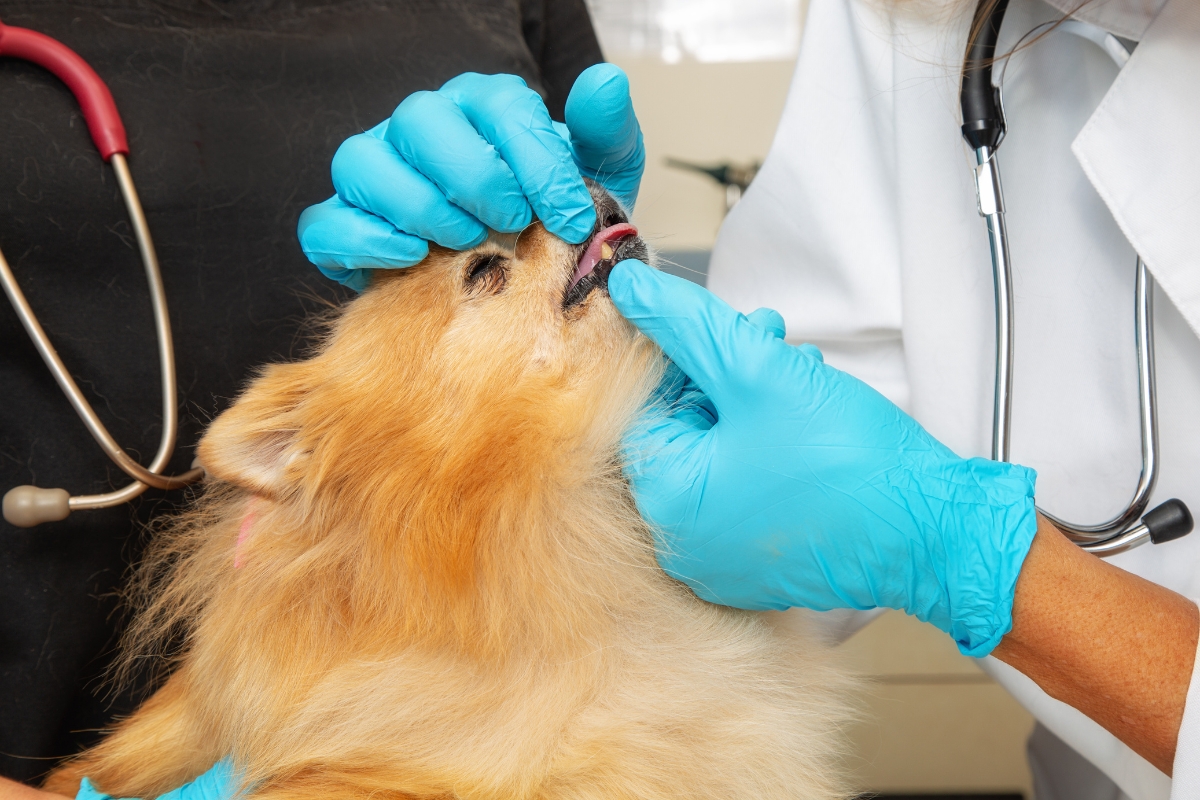
Even with perfect home care, most dogs need professional cleaning every 1-2 years. Signs it’s time for a veterinary dental exam include:
- Persistent bad breath despite regular brushing
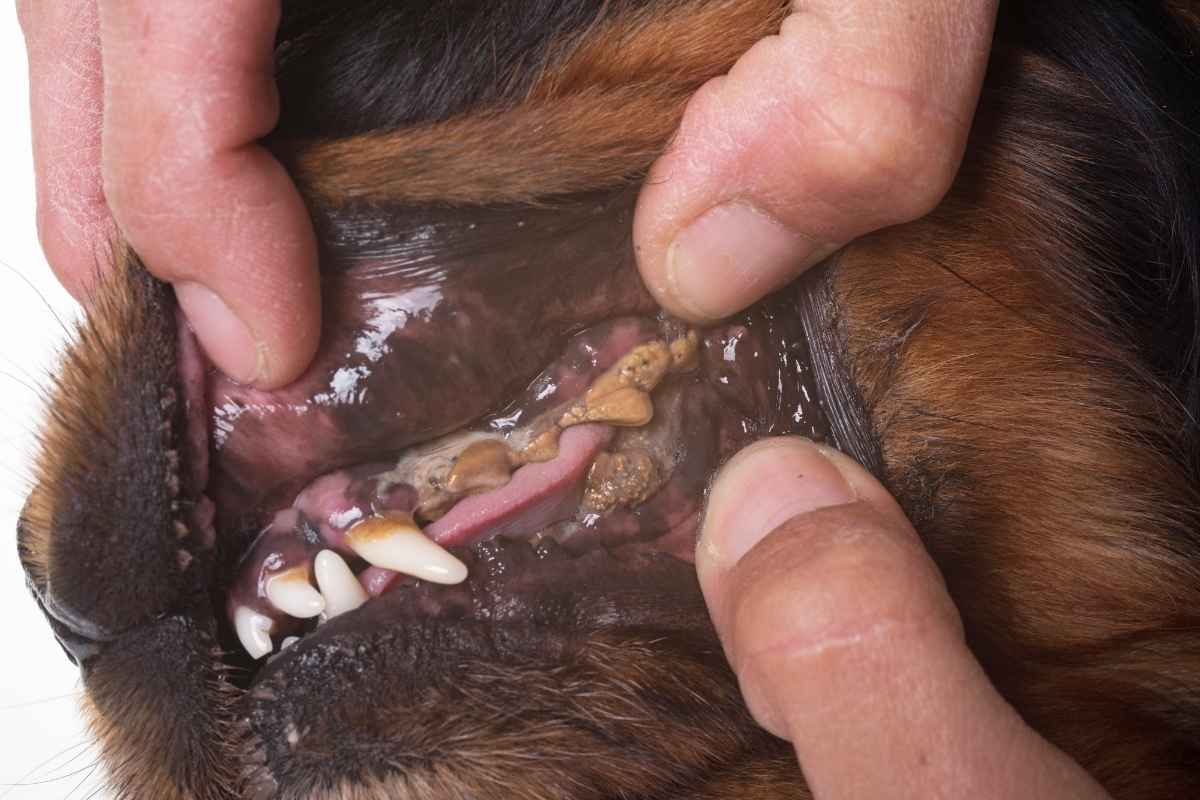
- Yellow or brown tooth discoloration
- Difficulty eating or dropping food
- Excessive drooling
- Swollen or bleeding gums
- Loose or broken teeth
If you’re struggling with at-home dog oral hygiene or notice significant tartar buildup, it might be time to consult with a professional. A good pet dentistry in Farmington, NY can assess your dog’s specific needs, perform a thorough cleaning under anesthesia, and recommend the best course of action.
Age-Specific Considerations
Puppies (2-6 months):
Start handling their mouth early, even before adult teeth emerge. Focus on positive experiences rather than actual cleaning.
Adult Dogs (1-7 years):
Maintain consistent routines. This is when preventive care pays the biggest dividends.
Senior Dogs (7+ years):
A gentle approach is essential. May require professional cleaning more frequently. Consider softer bristles and shorter sessions.
Measuring Success: Progress Milestones
Week 1: Dog tolerates mouth handling
Week 2: Accepts the toothbrush in the mouth
Week 4: Allows 30-second brushing sessions
Week 8: Comfortable with full 2-minute routine
Week 12: Noticeable reduction in plaque and fresher breath
Common Mistakes to Avoid
- Rushing the process – Building trust takes time
- Using human toothpaste – Contains toxic xylitol
- Forcing the issue – Creates negative associations
- Inconsistent schedule – Sporadic brushing won’t prevent disease
- Ignoring back teeth – Where most problems develop
- Stopping after resistance – Persistence pays off
The Bottom Line: Investment in Your Dog’s Future
Regular tooth brushing can save thousands in veterinary dental procedures while adding years of quality life. Start slowly, stay consistent, and celebrate small victories. Remember, even imperfect brushing beats no brushing at all.
Your dog’s oral health directly impacts their overall wellbeing. While the journey to establishing a dental routine may have bumps, the payoff – a healthier, happier companion – makes every effort worthwhile.
Transforming your reluctant pup into a teeth-brushing pro requires patience, consistency, and the right approach. By following this guide’s desensitization techniques and troubleshooting tips, you’ll establish a dental routine that protects your dog’s health for years to come. For those seeking comprehensive dental care beyond home maintenance, Farmington Veterinary Hospital provides professional cleaning and examinations to complement your at-home efforts. Remember, whether your dog learns to love or merely tolerate teeth brushing, you’re giving them an invaluable gift: a longer, healthier, and more comfortable life.
Frequently Asked Questions
1Q. Is it too late to start brushing an older dog’s teeth?
Ans. It’s never too late. If there’s heavy tartar, start with a professional vet cleaning. Brushing won’t remove existing tartar, but is perfect for preventing new buildup on a clean mouth. Daily brushing is the best way to maintain their oral health.
2Q. How are you supposed to brush your dog’s teeth?
Ans. Use a dog toothbrush and pet-safe toothpaste. Gently lift their lip and brush the outer surfaces in small circles. Focus on making it a quick, positive experience. The toothpaste is designed to be swallowed, so no rinsing is needed.
3Q. How do you brush an unwilling dog’s teeth?
Ans. Don’t use force. Start slowly by letting them lick toothpaste from your finger. Gradually progress to touching their teeth, then introducing the brush. Keep sessions short and always reward them with praise and treats to create a positive experience.
4Q. What should I do if my dog still won’t let me brush their teeth?
Ans. If they remain resistant, don’t force it. Use alternatives like VOHC-approved dental chews, water additives, or dental diets. Prioritize annual professional cleanings with your vet, as this will become the primary method for managing their long-term oral health.
5Q. How often should I brush my dog’s teeth?
Ans. Daily brushing is ideal to prevent plaque from hardening into tartar. If you can’t manage daily, aim for at least 3-4 times per week. Consistency is key, so any regular brushing is far better than doing nothing at all.
6Q. What if I see a little blood when brushing?
Ans. A little blood can indicate mild gingivitis, which may improve with gentle, consistent brushing. However, if the bleeding is heavy or persistent, or your dog seems pained, stop brushing and schedule a check-up with your veterinarian for evaluation.