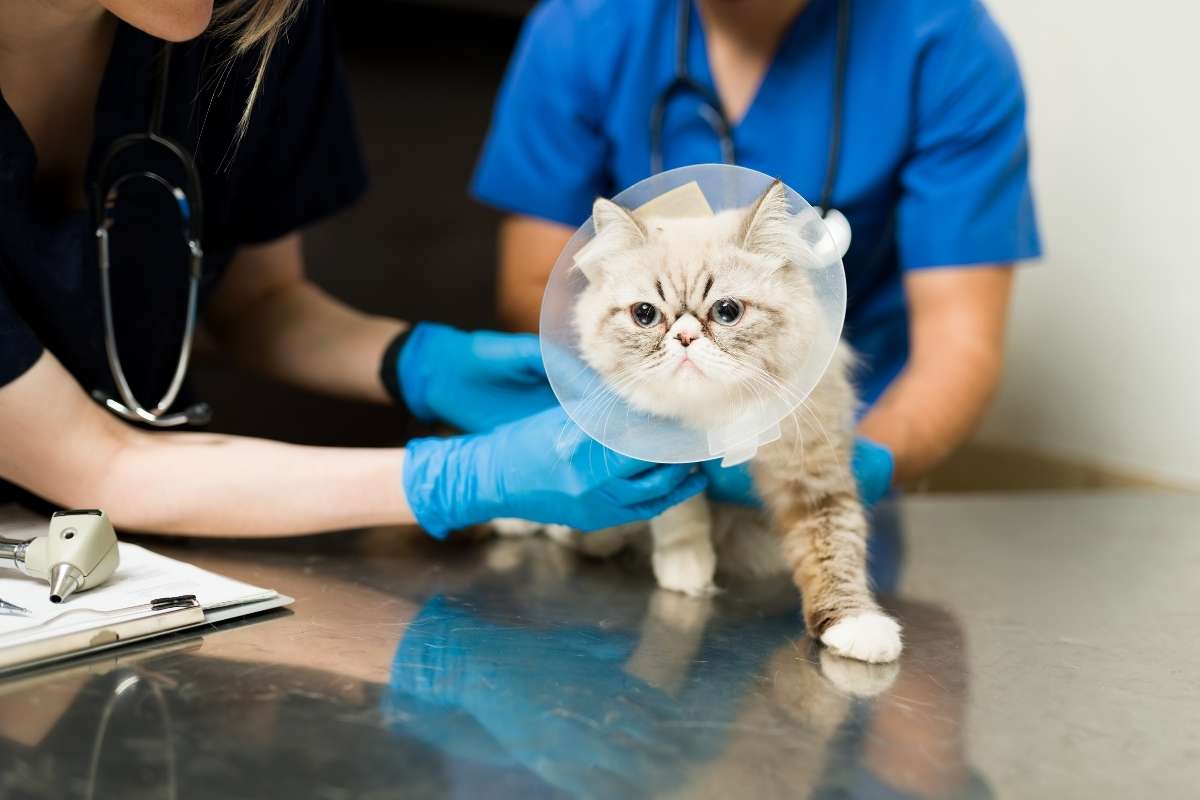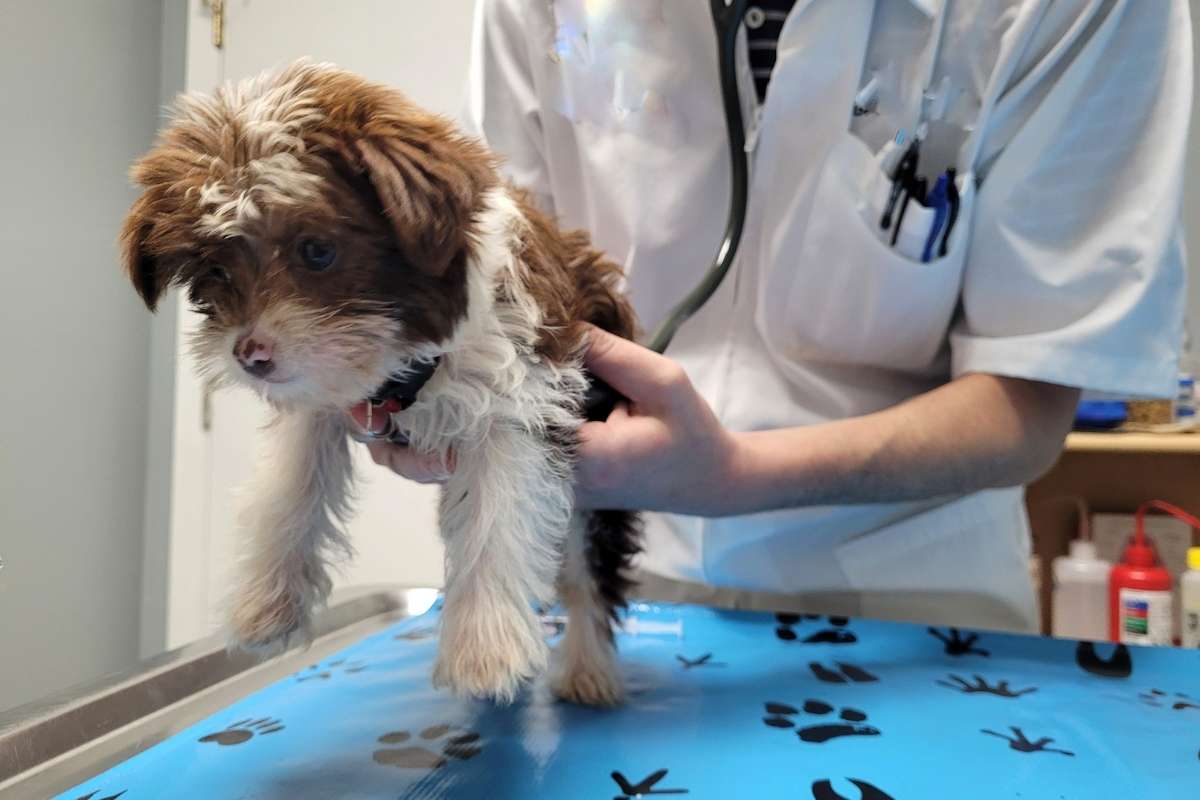
Dropping your beloved dog or cat off for surgery is one of the most nerve-wracking experiences a pet owner can go through. Whether it is a routine spay/neuter or a complex dental procedure, the thought of your furry friend under anesthesia naturally causes anxiety. You want to know that everything possible is being done to ensure they wake up safely and come home wagging their tail.
This is where pre-surgical testing becomes vital. Often presented as an option or a requirement during the intake process, these tests are not just an administrative “add-on.” They are a critical safety net. By evaluating your pet’s internal health before the anesthesia is administered, veterinarians can prevent complications and tailor the procedure to your pet’s specific needs. Below, we explore exactly why this testing is the cornerstone of modern surgical safety.
What is Pre-Surgical Testing?
Think of pre-surgical testing as checking the engine of your car before embarking on a cross-country road trip. Your car might look shiny and perfect on the outside, but if the oil is low or the brake lines are fraying, the trip could end in disaster.
Similarly, a physical exam can tell the vet that your pet looks healthy on the outside, but it cannot reveal what is happening internally. Pre-surgical testing typically involves a blood panel (blood work) and sometimes a urinalysis or ECG. These tests provide a snapshot of your pet’s organ function and blood cell count, giving the veterinary team the “green light” to proceed safely.
The Role of the Liver and Kidneys
The most critical reason for running blood work is to check the liver and kidneys. These two organs are the body’s filtration system. When a pet is placed under anesthesia, drugs are introduced into its system to keep it asleep and pain-free. It is the job of the liver and kidneys to metabolize (process) and eliminate these drugs from the body.
If these organs are not functioning at 100%, the anesthesia drugs can build up in the bloodstream. This can lead to a prolonged recovery, toxicity, or even kidney failure. Pre-surgical blood work identifies compromised organs before the drugs are given, allowing the vet to either postpone the surgery or switch to a different, kidney-friendly anesthetic protocol.
Uncovering “Silent” Conditions
One of the most common objections to testing is, “But my pet is young and healthy!” While it is true that young pets generally have lower risks, they are not immune to congenital issues.
Common hidden issues testing can reveal:
- Anemia: A low red blood cell count means the blood carries less oxygen, which is dangerous during surgery.
- Clotting Disorders: Some pets, particularly certain breeds like Dobermans, may have a genetic inability to clot blood properly. Knowing this beforehand prevents dangerous bleeding during the operation.
- Infection: Elevated white blood cells indicate the body is fighting an infection. Surgery might suppress the immune system further, so it is often better to treat the infection first.
- Diabetes: Undiagnosed high blood sugar can affect healing and recovery times.
Customizing the Anesthesia Plan
Pre-surgical testing is not just a “pass/fail” exam. Often, if a mild abnormality is found, the surgery can still proceed, but with modifications.
If the blood work shows mild dehydration or slight kidney elevation, the veterinary team might start IV fluids for a few hours before the procedure to flush the kidneys. They might choose a different sedative that is gentler on the heart or adjust pain management medications. This data transforms a standard procedure into a customized medical event tailored to your pet’s unique biology.
The Peace of Mind Factor
Ultimately, testing is about risk management. Anesthesia always carries a small degree of risk, but pre-surgical blood work significantly lowers it.
For residents in the area, choosing a clinic that prioritizes these safety protocols is essential. When looking for veterinary surgery farmington offers, you should seek out teams that refuse to cut corners on safety. A clinic that insists on or strongly recommends blood work is a clinic that is looking out for your pet’s best interest, not just their bottom line.
If you have concerns about an upcoming procedure, the team at Farmington Veterinary Hospital is known for its transparency and willingness to explain every number on a blood panel, ensuring you feel confident in the care your pet receives.
Frequently Asked Questions:
Q1: Is pre-surgical blood work necessary for a young puppy or kitten?
Ans: Yes. While organ failure is rare in youth, congenital defects (issues present at birth) and genetic clotting disorders can affect pets of any age. Testing ensures they are truly as healthy as they look.
Q2: What happens if the tests come back abnormal?
Ans: It depends on the severity. For minor issues, we may adjust the fluids and drugs and proceed. For serious issues, we will postpone the surgery to treat the underlying condition, potentially saving your pet’s life.
Q3: Does pre-surgical testing guarantee my pet will be safe?
Ans: No medical procedure has a 100% guarantee. However, testing drastically reduces the risk of unexpected complications and allows the medical team to be prepared for potential emergencies.
Q4: How long does it take to get results?
Ans: Most clinics have in-house laboratories that can generate results within 15 to 30 minutes. This allows the testing to be done the morning of the surgery.
Q5: Can I decline the testing to save money?
Ans: While some clinics allow owners to sign a waiver declining blood work for young pets, it is medically inadvisable. The cost of treating a complication caused by an undiagnosed condition is far higher than the cost of the test.
Q6: Does this testing include heart checks?
Ans: A basic pre-surgical panel is blood work. However, the vet will listen to the heart during the physical exam. If a murmur is heard, they may recommend an X-ray or ECG as part of the pre-surgical workup.