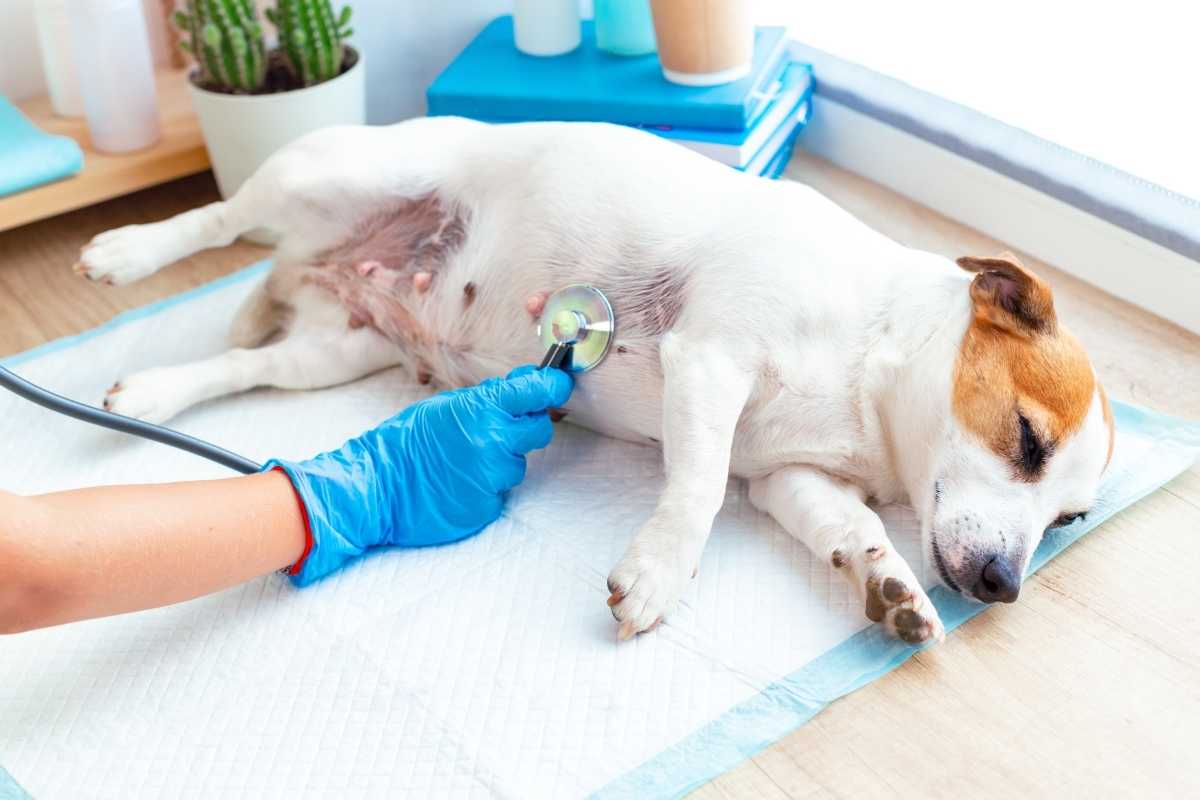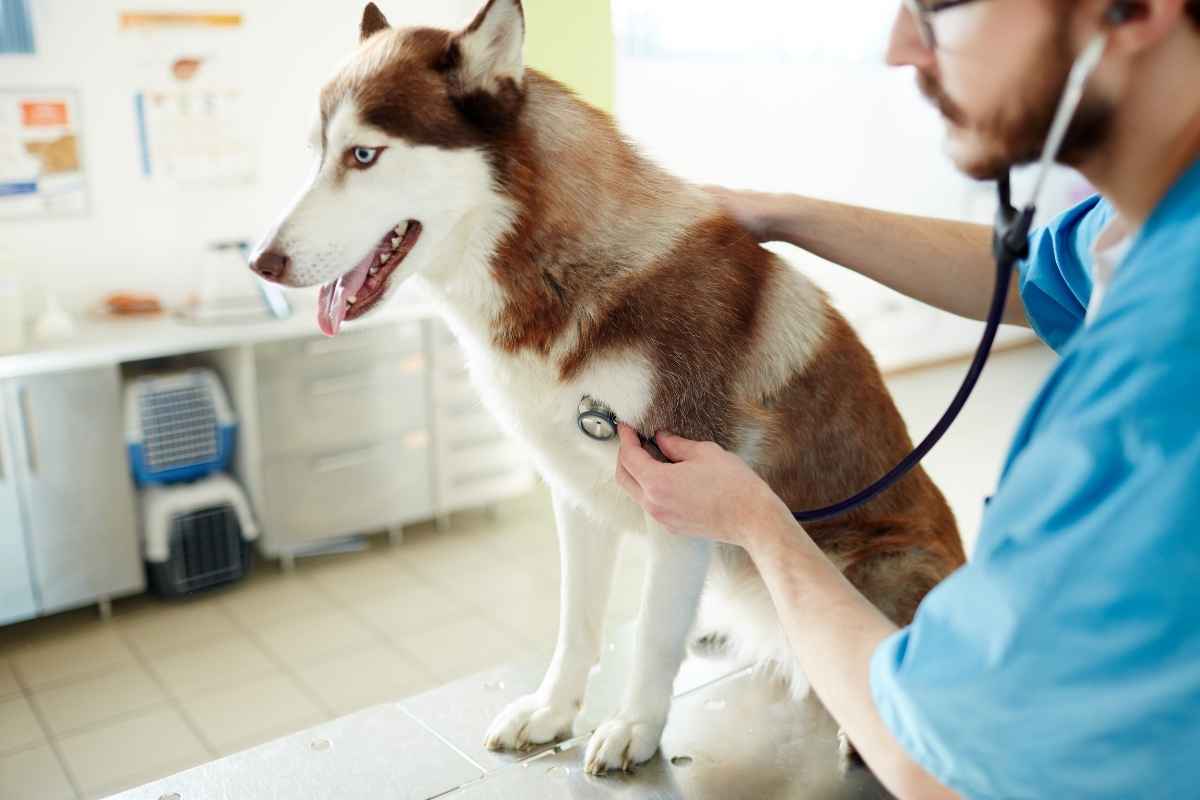
Understanding your dog’s vital signs is an essential part of responsible pet ownership. Knowing what is normal can help you quickly recognize when something may be wrong. At Farmington Veterinary Hospital, we understand how important it is for pet owners to feel confident in monitoring their dog’s health at home. Vital signs such as temperature, heart rate, and respiration provide valuable insight into your dog’s overall condition. This guide will help you understand normal ranges and when to seek professional care, especially for pet owners in Farmington, NY.
What Are a Dog’s Vital Signs?
A dog’s vital signs include:
- Body temperature
- Heart rate (pulse)
- Respiration rate (breathing)
Monitoring these regularly can help detect early signs of illness and support effective vet care.
Normal Dog Temperature
A dog’s normal body temperature is higher than that of humans.
Healthy Range:
- 101°F to 102.5°F (38.3°C to 39.2°C)
What to Watch For:
- Fever: Above 103°F
- Low temperature: Below 99°F
How to Check:
The most accurate way to measure your dog’s temperature is with a digital rectal thermometer. Ear thermometers designed for pets can also be used, but may be less precise.
Normal Dog Heart Rate
Your dog’s heart rate varies based on size, age, and activity level.
Healthy Range:
- Small dogs/puppies: 100–140 beats per minute
- Medium dogs: 80–120 beats per minute
- Large dogs: 60–100 beats per minute
How to Check:
- Place your hand on your dog’s chest or inner thigh
- Count beats for 15 seconds and multiply by four
A consistently high or low heart rate may indicate a health issue.
Normal Dog Respiration Rate
Respiration refers to how many breaths your dog takes per minute.
Healthy Range:
- 10–30 breaths per minute (at rest)
What to Watch For:
- Rapid breathing while resting
- Labored or shallow breaths
- Unusual noises while breathing
Changes in breathing patterns should not be ignored.
Why Monitoring Vital Signs Matters
Tracking your dog’s vital signs helps:
- Detect illness early
- Monitor recovery from injury or illness
- Provide useful information to your veterinarian
Being proactive with your dog’s health supports better long-term outcomes.
When to Be Concerned
You should contact a veterinarian if you notice:
- Persistent fever or low body temperature
- Irregular or very fast heart rate
- Difficulty breathing or rapid respiration
- Sudden changes in behavior or energy levels
Early intervention can prevent more serious health problems.
Tips for Checking Vital Signs at Home
To get accurate readings:
- Check when your dog is calm and resting
- Use proper tools, such as a digital thermometer
- Keep a record of your dog’s normal ranges
- Avoid checking immediately after exercise
Consistency helps you better understand what is normal for your dog.
The Role of Regular Vet Care
Routine visits to a veterinarian are essential for maintaining your dog’s health. Professional exams can:
- Confirm normal vital signs
- Detect underlying conditions
- Provide preventive care recommendations
Combining at-home monitoring with regular vet care ensures comprehensive health management.
Signs Your Dog Needs Immediate Attention
Seek urgent care if your dog shows:
- Extreme lethargy
- Pale or bluish gums
- Collapse or weakness
- Persistent vomiting or diarrhea
These symptoms, along with abnormal vital signs, may indicate an emergency.
Understanding normal dog temperature, heart rate, and respiration is an important step in keeping your pet healthy. By learning how to monitor these vital signs and recognizing when something is off, you can take quick action and provide better care for your dog. Regular observation, combined with professional guidance, helps ensure your dog stays happy and healthy.
Caring for your dog’s health requires awareness and consistency. If you have concerns about your dog’s vital signs or need expert guidance, you can schedule your appointment at Farmington Veterinary Hospital. If you’re in Farmington, NY, working with a trusted veterinary team can help ensure your pet receives the best possible care.
FAQs:
Q1. What is a normal dog temperature?
Ans. A normal dog’s temperature ranges from 101°F to 102.5°F.
Q2. How can I check my dog’s heart rate?
Ans. You can feel the pulse on the chest or inner thigh and count beats per minute.
Q3. What is a normal breathing rate for dogs?
Ans. Dogs typically breathe 10–30 times per minute at rest.
Q4. When should I worry about my dog’s temperature?
Ans. If it rises above 103°F or drops below 99°F, contact a veterinarian.
Q5. Can stress affect my dog’s vital signs?
Ans. Yes, stress and excitement can temporarily increase heart rate and breathing.
Q6. How often should I check my dog’s vital signs?
Ans. Regular checks during calm periods can help you understand what’s normal for your dog.