As pets grow older, their healthcare needs begin to change. Aging dogs and cats may experience reduced mobility, slower metabolism, dental problems, vision changes, or chronic health conditions that can affect their overall quality of life. While aging is a natural process, preventive veterinary care plays an important role in helping pets stay healthier, more comfortable, and active for as long as possible.
At Farmington Veterinary Hospital, veterinarians work with pet owners to monitor age-related health changes through regular wellness exams, screenings, and preventive treatment plans. Early detection and ongoing care can often improve outcomes and help pets maintain better long-term health as they age.
Many age-related conditions develop gradually and may not show obvious symptoms during the early stages. Routine veterinary visits help identify subtle health changes before they become more serious or difficult to manage. For pet owners in Farmington, NY, understanding the value of preventive care can support healthier aging and improve overall pet wellness throughout every stage of life.
Why Preventive Veterinary Care Matters for Aging Pets
Preventive veterinary care focuses on identifying and addressing health concerns early rather than waiting until symptoms become severe. Senior pets are more vulnerable to chronic illnesses, making regular monitoring especially important.
Preventive care can help veterinarians:
- Detect disease earlier
- Monitor organ function
- Manage chronic conditions
- Improve mobility and comfort
- Support healthy weight management
- Extend quality of life
Routine evaluations also provide an opportunity for pet owners to discuss behavioral changes, appetite shifts, or mobility concerns that may indicate underlying health issues.
Common Health Problems in Senior Pets
As pets age, they become more susceptible to certain medical conditions that require ongoing monitoring and treatment.
Arthritis and Joint Problems
Many senior pets experience stiffness, joint pain, or reduced mobility caused by arthritis. Early treatment and lifestyle adjustments may help improve comfort and activity levels.
Dental Disease
Untreated dental problems can lead to pain, infections, difficulty eating, and even organ complications. Professional dental exams and cleanings are important parts of preventive health management.
Kidney Disease
Kidney disease is common in older pets and often develops slowly. Routine blood and urine testing can help detect early changes before symptoms worsen.
Heart Disease
Senior pets may develop heart conditions that affect circulation and breathing. Regular examinations help veterinarians monitor heart health and identify abnormalities early.
Diabetes
Diabetes can occur in aging pets and may cause excessive thirst, weight loss, increased urination, or appetite changes. Early diagnosis improves long-term management success.
The Importance of Routine Wellness Exams
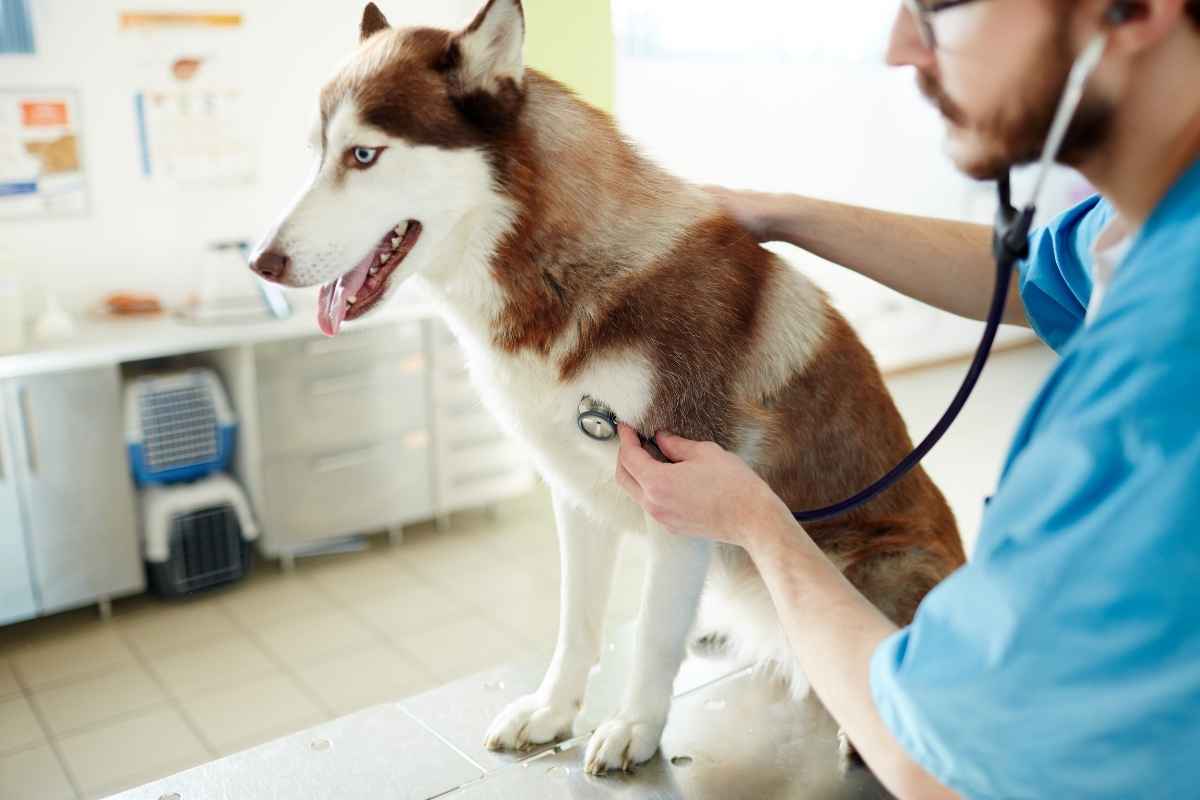
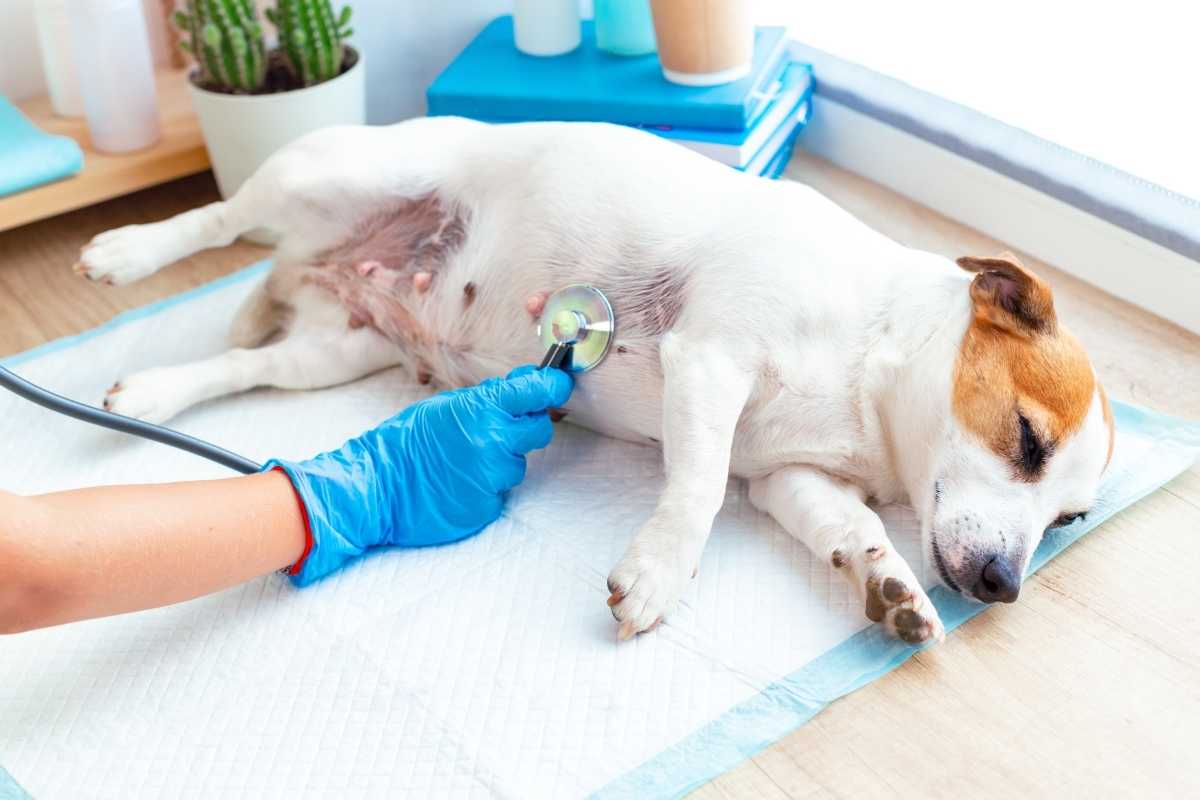
Wellness visits allow veterinarians to monitor your pet’s overall condition and identify subtle health changes that may not be noticeable at home.
Physical Examinations
A comprehensive exam may include evaluation of:
- Weight and body condition
- Joint mobility
- Skin and coat health
- Dental condition
- Heart and lung function
- Vision and hearing
These assessments help establish health baselines and track changes over time.
Blood and Urine Testing
Routine laboratory testing can reveal early signs of:
- Kidney disease
- Liver disease
- Diabetes
- Infections
- Thyroid disorders
Senior pets often benefit from more frequent diagnostic testing because many conditions develop internally before visible symptoms appear.
Nutrition and Weight Management for Aging Pets
Maintaining a healthy weight becomes increasingly important as pets age. Excess weight can place additional stress on joints, heart health, and organ function.
Veterinarians may recommend:
- Age-appropriate diets
- Joint-support supplements
- Portion control adjustments
- Weight monitoring plans
Proper nutrition supports energy levels, immune function, and mobility in senior pets.
Parasite Prevention and Vaccinations
Even older pets still require protection against parasites and infectious diseases. Fleas, ticks, heartworms, and intestinal parasites can affect pets of any age.
Vaccination schedules may be adjusted based on lifestyle, risk factors, and overall health status. Preventive care for pets should include discussions about parasite prevention and vaccine recommendations during routine wellness visits.
Monitoring Behavioral Changes in Senior Pets
Behavioral changes can sometimes indicate underlying medical problems in aging pets.
Signs to monitor include:
- Increased sleeping
- Confusion or disorientation
- Anxiety or irritability
- Reduced interaction
- Changes in appetite or bathroom habits
Reporting these changes early helps veterinarians evaluate possible cognitive or medical causes.
How Often Should Senior Pets Visit the Veterinarian?
Most veterinarians recommend wellness exams at least twice yearly for senior pets. More frequent visits allow earlier detection of disease progression and more effective treatment adjustments.
Regular visits also help maintain consistent preventive care for pets and support better long-term health monitoring.
Supporting Quality of Life in Aging Pets
Healthy aging involves more than treating illness. It also includes maintaining comfort, mobility, nutrition, and emotional well-being. Preventive healthcare strategies can help pets remain active and engaged throughout their senior years.
Pet owners can support healthy aging by:
- Providing regular exercise
- Monitoring appetite and weight
- Scheduling routine veterinary exams
- Maintaining dental care
- Following medication recommendations
- Creating a comfortable home environment
Small lifestyle adjustments can make a significant difference in an aging pet’s quality of life.
Helping Pets Age Healthier and More Comfortably
Preventive healthcare allows veterinarians to identify concerns early, monitor chronic conditions, and provide guidance tailored to each pet’s changing needs. Consistent wellness care can improve comfort, support mobility, and help aging pets enjoy a better quality of life over time.
If you’re in Farmington, NY and need guidance from a veterinarian near you on supporting your pet’s long-term health, Farmington Veterinary Hospital offers wellness exams, diagnostic screenings, and personalized senior pet care. Our team can help monitor your pet’s changing health needs and provide support through every stage of aging. Schedule your appointment today to receive personalized care tailored to your pet’s unique needs.
FAQs
Q1. At what age is a pet considered senior?
Ans. Dogs and cats are generally considered senior pets around seven years old, although aging varies depending on breed, size, and overall health condition.
Q2. Why are wellness exams important for older pets?
Ans. Routine wellness exams help detect age-related diseases early, monitor chronic conditions, and support better long-term health management for senior pets.
Q3. How often should senior pets have blood work performed?
Ans. Many veterinarians recommend annual or twice-yearly blood testing for senior pets to monitor organ function and identify health changes early.
Q4. Can preventive care improve a senior pet’s quality of life?
Ans. Yes. Preventive healthcare can help manage pain, detect illness early, maintain mobility, and improve overall comfort as pets age.
Q5. What are common signs of aging in pets?
Ans. Common signs include stiffness, reduced activity, vision changes, weight fluctuations, sleeping more often, and behavioral or appetite changes.
Q6. Do older pets still need parasite prevention?
Ans. Yes. Senior pets remain vulnerable to fleas, ticks, heartworms, and intestinal parasites, making year-round prevention important for ongoing health protection.