Having a pet undergo surgery can be a very emotional experience for pet owners. Whether the procedure is something routine like a spay or neuter, a dental cleaning, or a more complex operation such as orthopedic surgery, the recovery process is crucial. Managing your pet’s pain after surgery is one of the most essential parts of the healing journey.
At Farmington Veterinary Hospital, we know how vital post-surgical pain relief is to helping your pet recover comfortably and quickly. In this blog, we will discuss common pain management strategies that can help your pet heal safely and with less discomfort.
Why Post-Surgical Pain Management Matters?
Pets can feel pain after surgery, whether it is from the incision or deeper tissues. This discomfort can affect how quickly your pet recovers, as well as their behavior and overall health. Properly managing their pain is vital to help them heal and feel better.
- Help speed up the healing process.
- Prevent long-term pain or discomfort.
- Reduce stress and anxiety during recovery.
- Allow your pet to return to regular activity sooner.
Farmington is known for its close community and love for animals. We understand that pets are like family. Making sure your pet feels comfortable and receives proper care during recovery helps them return to their happy and healthy self as quickly as possible.
Common Post-Surgical Pain in Pets
The level of pain your pet might feel after surgery can vary depending on the type of procedure performed. Below, you’ll find some common surgeries along with the possible pain your pet could experience during recovery.
1. Spaying and Neutering
This is one of the most common procedures for pets. Although it is usually less invasive than other options, it still requires making an incision in the abdomen, which can lead to some discomfort and swelling during the first few days. Proper pain management helps your pet recover comfortably and quickly.
2. Dental Surgeries
If your pet needs a dental extraction or other oral surgery, the area in the mouth can become very sensitive. Pain from these procedures might make it hard for your pet to eat or drink, so providing effective post-surgical pain relief is essential to keep them comfortable.
3. Orthopedic Surgeries
Pets with fractures, torn ligaments, or hip surgery can experience more severe pain. These types of surgeries usually require more extensive post-procedure pain management and take longer for the pet to heal fully.
4. Soft Tissue Surgeries
Procedures like removing tumors or performing abdominal surgeries can cause a lot of discomfort. Making an incision through muscle and skin often results in soreness, so it’s essential to manage pain carefully to keep patients comfortable during recovery.
Post-Surgical Pain Management Tips for Pets
1. Pain Medications
Pain relief medications form the core of post-surgical care. This includes opioids, NSAIDs, and other prescribed painkillers to help minimize pain and inflammation. We will prescribe the most appropriate medications for your pet surgery and provide clear instructions for relieving post-surgical pain.
2. Cold and Warm Compresses
Applying a cold compress to the surgical site during the first 48 hours can help reduce swelling and numbness, offering immediate relief. Once swelling decreases, warm compresses can promote better circulation and help muscles relax. For pets recovering from orthopedic surgeries, pet owners in Farmington can take advantage of local cooler weather by applying cold compresses when suitable.
3. Rest and Restricted Activity
Rest is significant for your pet’s recovery. Depending on the type of surgery, pets should avoid running or jumping for several weeks. Excessive movement can slow healing and cause more pain. Farmington is known for its lovely parks and open spaces, and you might feel tempted to take your dog for a walk. It’s best to keep walks short and manageable until your veterinarian approves normal activities.
4. Comfortable Recovery Environment
Creating a calm, cozy space for your pet is essential to their recovery. Set up a quiet area where they can rest peacefully, free from disturbances. Avoid loud sounds and provide soft bedding to help them feel comfortable and secure during their healing process.
5. Follow-Up Appointments
We suggest that pets have follow-up visits after their surgery. During these visits, the veterinarian will examine the incision site, assess pain levels, and make any necessary changes to pain management strategies. These follow-up appointments are a key part of caring for your pet after surgery, helping ensure they recover smoothly.
Watch for Signs of Recovery Issues
After surgery, keep a close eye on your pet’s recovery process. Watch for any signs that your pet may not be adjusting well and seek help if you notice anything unusual.
- Persistent or excessive pain, such as crying or limping
- Swelling, redness, or discharge at the surgical site
- Changes in behavior, such as excessive lethargy or irritability
- Difficulty eating or drinking
- Unexplained fever or loss of appetite
Ensure a Smooth Recovery for Your Pet
Taking care of your pet’s pain after surgery is essential to help them recover quickly. Providing the right medicines, a comfortable space, and enough rest can make a big difference in how smoothly they heal and get back to their normal, active lifestyle. At Farmington Veterinary Hospital, our goal is to give your pet the best possible care during this recovery period.
If your pet has recently had surgery and you need professional veterinary guidance near you in Farmington, NY, contact us today to schedule a follow-up appointment or discuss pain management. We are dedicated to helping your pet recover comfortably and quickly.
FAQs
Q1. How can I tell if my pet is in too much pain after surgery?
Ans. Signs that your pet may be in too much pain include excessive whining, reluctance to move, refusal to eat or drink, and noticeable discomfort or limping. Contact your veterinarian if you observe these signs.
Q2. Are there any over-the-counter pain relievers I can give my pet?
Ans. No, over-the-counter human pain medications, such as ibuprofen or aspirin, can be harmful to pets. Always use medicines prescribed by your veterinarian.
Q3. How long will my pet need pain relief after surgery?
Ans. Pain relief duration varies depending on the type of surgery. Most pets need pain management for a few days to a week, but follow your veterinarian’s advice for the specific recovery plan.
Q4. Can I use a heating pad for my pet’s pain?
Ans. Heating pads can be beneficial for muscle relaxation, but they should only be used after the first 48 hours, once swelling has reduced. Always use a low heat setting and never leave it on for extended periods.
Q5. What should I do if my pet starts licking their incision site?
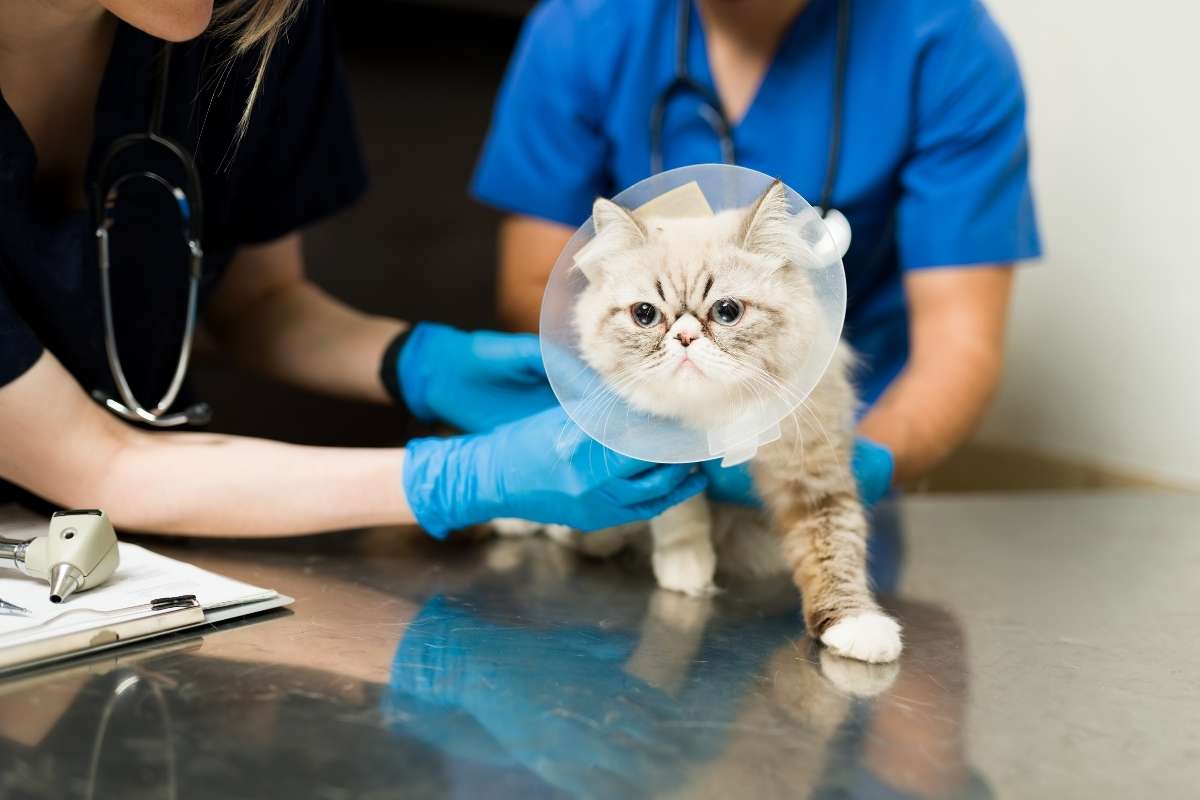
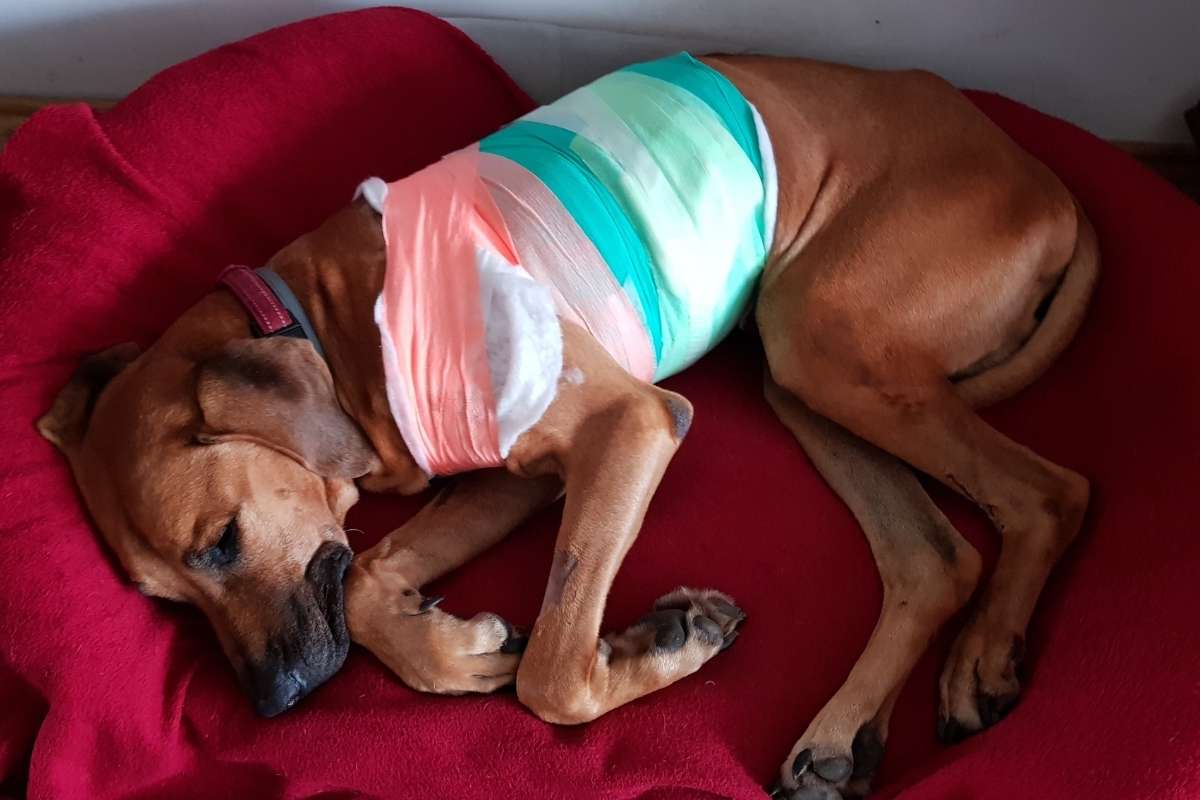
Ans. Using an Elizabethan collar or a recovery suit will prevent your pet from licking or chewing at their incision site. This helps avoid infection and ensures proper healing.