When setting out to own a dog, size is significant, especially if you have your eyes on a large breed. When you mention giant dog breeds, images of strength and affectionate personalities come to mind. However, giant breeds also have special care needs. The team at Farmington Veterinary Hospital can help you experience the joys of owning a big dog.
Being from the Farmington, NY, area, where land and recreation, such as hiking trails and dog parks, are easily accessible, a larger dog breed could be what an active family or a family with a larger home wants or needs. It is essential to consider the daily needs of one of the larger dog breeds and how to care for them. Let’s look at some of the largest dog breeds and how to care for them.
The Largest Dog Breeds
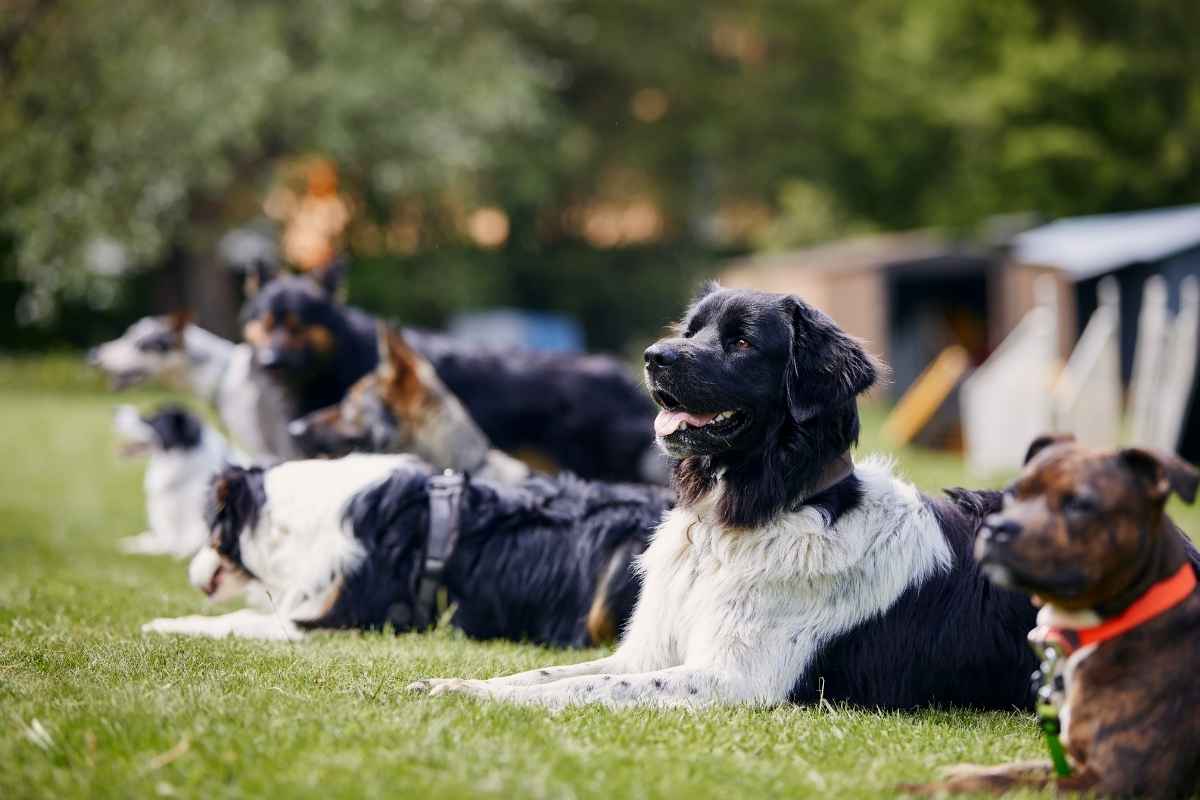
Several dog breeds fall into the “giant” category, typically weighing over 100 pounds and standing over 25 inches tall at the shoulder. Some of the most popular large dog breeds include:
1. Great Dane
Also known as the “Apollo of dogs,” the Great Dane ranks among the tallest breeds globally. The breed can grow up to a height of 34 inches at the shoulder, and when standing on all fours, it can be over 7 feet tall. They can be friendly, calm, and loving, regardless of their size.
- Weight: 110–175 pounds
- Life Expectancy: 7–10 years
- Special Care: Due to their size, Great Danes are prone to joint problems and heart conditions, so regular veterinary checkups and joint supplements are essential.
2. Saint Bernard
The Saint Bernard is a kind giant that comes from rescue operations conducted in the Swiss Alps. They are known for their loving and gentle nature, which makes Saint Bernards an excellent addition to any family. Saint Bernard needs plenty of room. Despite not being as tall as a Great Dane, it is so muscular that it ranks among the heaviest dogs known.
- Weight: 120–180 pounds
- Life Expectancy: 8–10 years
- Special Care: They are prone to hip dysplasia and require a balanced diet to maintain a healthy weight. Regular brushing is also necessary to keep their thick coat healthy.
3. Newfoundland
A Newfoundland is another gentle giant breed known for its fondness for water and strong swimming ability. Newfoundland dogs were bred to assist fishermen by hauling their nets and to save people who were drowning. They come across as friendly because of their gentle nature, which makes them easy to have as pets.
- Weight: 100–150 pounds
- Life Expectancy: 8–10 years
- Special Care: Newfoundlands are prone to heart issues and hip dysplasia, so maintaining a healthy weight and regular exercise is crucial.
4. Mastiff
The Mastiff is one of the heaviest dog breeds and is protective, with a calm temperament. Due to their size, they are surprisingly gentle and easy-going. These dogs are excellent family pets, but must be trained with persistence due to their large size and protective instincts.
- Weight: 120–230 pounds
- Life Expectancy: 6–12 years
- Special Care: Mastiffs are prone to obesity, so portion control and regular exercise are essential. They also require early socialization to avoid becoming overly protective or territorial.
5. Irish Wolfhound
Irish Wolfhounds rank among the tallest breeds, with others growing to as tall as 34 inches. They were bred as wolf hunters and have the sweet, laid-back temperament to match. They are friendly but need proper training, which will come in handy in handling the size and strength that comes with the breed.
- Weight: 90–150 pounds
- Life Expectancy: 6–8 years
- Special Care: Irish Wolfhounds are prone to bloat, a life-threatening condition that causes the stomach to twist. Keeping their meals small and frequent can help prevent this issue.
Daily Care for Large Dog Breeds
Owning a large dog requires careful consideration of their daily care needs. Here’s how you can provide the best care for these giant breeds:
1. Exercise Needs
Though larger breeds of dogs, such as the Great Dane and the Saint Bernard, are not necessarily more hyper or active, they still need to be exercised to stay fit and healthy. However, their exercise program needs to be balanced to avoid straining their bones.
- Moderate Exercise: The exercise should be at least 30 minutes to an hour long and can be varied based on your dog’s age and energy level.
- Low-Impact Activities: Swimming, taking slow walks, or simply playing in the yard are some ways to keep them agile without stressing their joints.
- Avoid High-Impact Activities: Running and/or jumping can be too strenuous for large dogs, especially growing puppies.
In Farmington, where you can enjoy parks and scenic sites such as Stony Kill Farm Environmental Education Center, taking your dog for walks or light hiking can be one of the best ways to get it outside without tiring it too much.
2. Proper Diet and Weight Management
Diet plays a significant role in keeping your big dog healthy. Overfeeding or underfeeding leads to obesity or malnutrition, respectively, which has been linked to significant health problems associated with large dogs.
- High-Quality Food: Feed your dog food formulated for large breeds. These diets usually include joint supplements and are calorie-balanced to avoid obesity.
- Portion Control: Because of their size, large dogs tend to overeat if given the chance. Measuring food intake and avoiding free feeding will help prevent excess weight gain.
- Frequent Vet Visits: Regular check-ups with a qualified vet will help you monitor your dog’s weight and make necessary diet adjustments.
3. Joint and Bone Care
Giant breeds are often prone to joint problems, particularly in the hips and elbows. To avoid discomfort and to keep them mobile:
- Joint Supplements: These are supplements added to their food to support joint health further.
- Comfortable Bedding: Provide a soft, comfy bed to help alleviate pressure on joints while sleeping.
- Regular Vet Checkups: Your veterinarian can help detect joint problems early and recommend appropriate treatments or adjustments to your exercise routine.
4. Grooming and Coat Care
Some large breeds, such as the Newfoundland or the Mastiff, have thick, dense fur. Some dogs shed all year, while others, such as the Irish Wolfhound, sport shorter coats that are easier to maintain.
- Brushing: Brush your dog’s coat once a week to remove loose hair, dirt, and debris. Long-haired breeds will, of course, require more frequent brushing to prevent matting.
- Bathing: Your large dog does not need frequent baths unless they get messy; however, use a shampoo specifically formulated for canines.
- Ear Care: Some big dogs have droopy ears that are prone to infection. Their ears should be cleaned frequently and checked for signs of infection, especially after swimming.
Health Concerns for Large Dogs
Giant breeds are more vulnerable to specific health problems. It is essential to know about the potential health problems your giant dog may suffer from and collaborate with your veterinarian to prevent or treat these problems.
- Bloat (Gastric Torsion): Large breeds are prone to bloat, which occurs when the stomach twists. This can be prevented by eating smaller, more frequent meals and avoiding strenuous exercise after eating.
- Heart Disease: Large breeds of dogs, such as the Saint Bernard and the Mastiff, are especially susceptible to heart problems. Frequent checkups with the vet are necessary.
- Joint Problems: Hip dysplasia and arthritis are common in larger breeds. Keeping your dog fit and giving them joint supplements would help prevent this.
Give Your Giant Dog the Best Care
Owning the largest dog breed also has its own set of difficulties, but at the same time, it also provides innumerable joys of life. By understanding your dog’s exercise requirements, eating healthy food, and maintaining joint health, you can easily help your giant dog lead a healthy life.
At Farmington Veterinary Hospital, we are dedicated to assisting you in providing your large-breed dog with the best possible care. Whether it’s information on activity, diet, or healthcare, we are always here for you in your time of need. Your dog must visit us regularly to monitor their healthcare, particularly their joints, weight, and heart.
If you have any questions or concerns, or if it’s time to schedule a checkup for your large breed dog, contact a trusted vet near you to schedule a consultation. We look forward to being there to support you and your large breed dog on your path to health and happiness.
FAQs
Q1. What is the best way to exercise my large breed dog without causing strain?
Ans. Moderate level of exercise, like short walks, swimming, or gentle play, would be suitable for large dogs. Activities that involve heavy running or jumping may be stressful for their joints.
Q2. How much food should I feed my large breed dog?
Ans. The quantity of food depends on age, weight, and level of activity. It is also critical to measure the correct amounts and consult the veterinarian to prevent overfeeding.
Q3. Are joint supplements necessary for large dogs?
Ans. Glucosamine and chondroitin supplements may also be helpful to ensure the health of your dog’s joints, particularly if you have breeds that are prone to joint problems or hip dysplasia.
Q4. What are the signs of bloat in large dogs?
Ans. Bloated dogs display signs of agitation, abdominal distension, drooling, and difficulty breathing. Bloat constitutes a medical emergency, and you should seek immediate attention from the veterinarian when you notice these symptoms.
Q5. How often should I take my large breed dog to the vet for checkups?
Ans. Large breeds of dogs must visit the vet at least once a year, but seniors or dogs with health issues may need to see more often.