Frequent urination in dogs can happen for several reasons, from drinking more water during warm weather to developing an underlying medical condition. You might notice your dog asking to go outside more often, having accidents indoors, or producing larger amounts of urine than usual. Although occasional changes may not indicate a serious problem, persistent or sudden changes in urination deserve attention.
At Farmington Veterinary Hospital, understanding changes in your dog’s bathroom habits is an important part of protecting their health. Recognizing the difference between frequent urination and increased urine production can help you identify when urgent pet care may be necessary. Paying attention to your dog’s water intake, urine color, and overall behavior can also help your veterinarian determine the next steps.
How Much Should a Dog Urinate Each Day?
Most healthy adult dogs urinate several times daily, although the frequency varies depending on age, activity, diet, water intake, medications, and individual needs. Puppies generally need more frequent bathroom breaks because their bladders are smaller and bladder control is still developing. Senior dogs may also need to urinate more often.
It is important to distinguish between two patterns:
- Frequent urination: Your dog urinates more often, sometimes passing only small amounts each time.
- Increased urine production: Your dog produces larger amounts of urine, often alongside increased thirst.
These patterns can point to different health concerns. Tracking how often your dog urinates and whether the volume has changed can provide useful information during a veterinary examination.
Common Causes of Frequent Urination in Dogs
Several factors can affect your dog’s urination habits. Some are temporary, while others require veterinary diagnosis and treatment.
1. Increased Water Intake
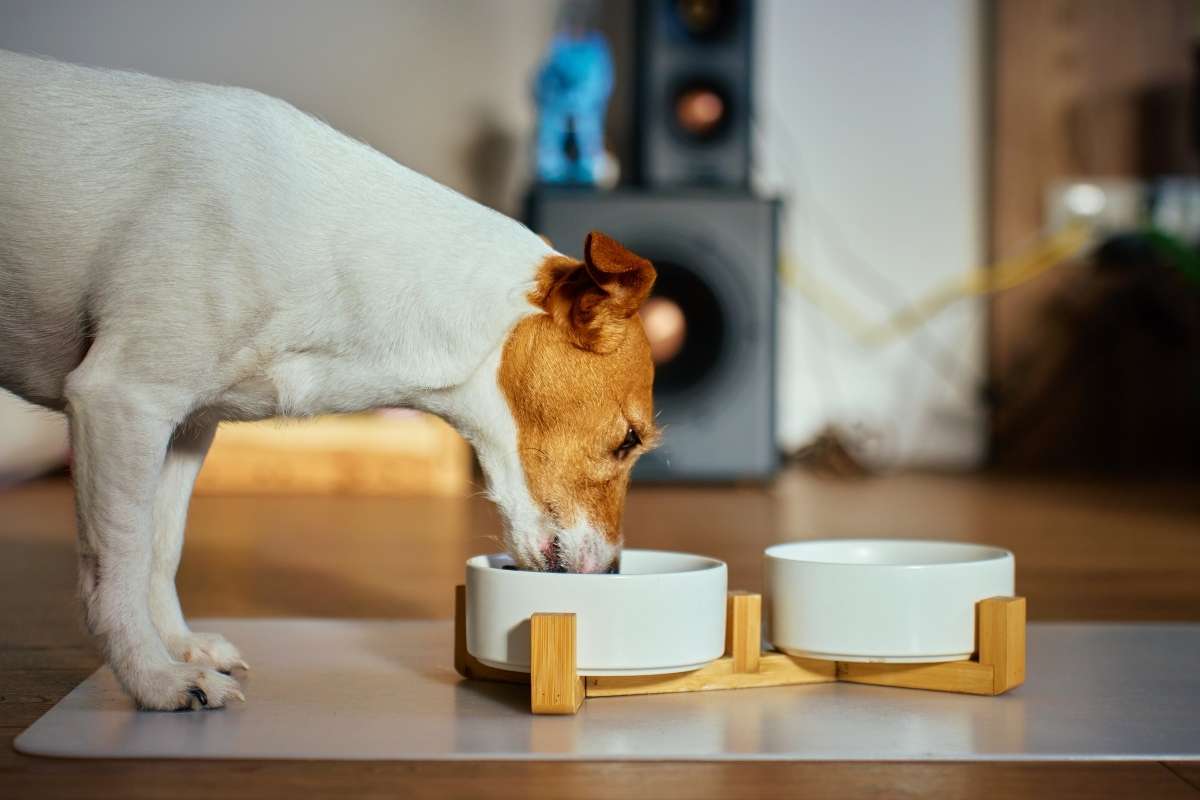
Dogs may drink more water after exercise, during hot weather, or when eating dry food. However, persistent excessive thirst combined with frequent urination may indicate an underlying condition.
If your dog suddenly empties the water bowl more often without an obvious explanation, monitor their intake and arrange a veterinary assessment.
2. Urinary Tract Infections
Urinary tract infections (UTIs) can irritate the bladder, causing dogs to urinate frequently or strain while passing small amounts. Other signs may include blood in the urine, genital licking, discomfort, or accidents indoors.
A veterinarian may recommend a urinalysis and urine culture to identify an infection and determine appropriate treatment.
3. Diabetes
Diabetes mellitus can cause elevated blood glucose levels, leading to increased thirst and urine production. Dogs may also experience weight loss despite having a normal or increased appetite.
Early diagnosis and ongoing management can help prevent complications and support a better quality of life.
4. Kidney Disease
The kidneys regulate fluid balance and remove waste products from the bloodstream. When kidney function declines, dogs may drink and urinate more than usual. Additional signs can include reduced appetite, vomiting, weight loss, and lethargy.
Blood tests and urine testing help veterinarians evaluate kidney function and determine whether further investigation is needed.
5. Bladder Stones and Other Urinary Problems
Bladder stones, inflammation, and other urinary tract conditions may cause frequent attempts to urinate, discomfort, or blood in the urine. Some problems can obstruct urine flow, making prompt evaluation especially important.
6. Hormonal Conditions and Medications
Conditions such as Cushing’s disease can increase thirst and urine production. Certain medications, including diuretics and corticosteroids, may also affect urination.
Never stop prescribed medication without consulting your veterinarian. Instead, report any changes in your dog’s bathroom habits and discuss possible side effects.
Warning Signs That Require Veterinary Attention
Some urinary changes need prompt attention, especially when they appear suddenly or worsen quickly. Contact your veterinarian if your dog experiences:
- Frequent urination that persists or becomes more noticeable.
- Blood in the urine or unusually strong-smelling urine.
- Pain, whining, or straining during urination.
- Increased thirst accompanied by weight loss or reduced energy.
- New accidents in a previously house-trained dog.
- Repeated attempts to urinate with very little urine produced.
Seek emergency veterinary care immediately if your dog repeatedly strains but cannot pass urine, produces no urine despite trying, or develops severe abdominal pain, vomiting, or collapse. A urinary obstruction can be life-threatening, particularly in male dogs. Do not wait for symptoms to resolve on their own.
How Do Veterinarians Diagnose Frequent Urination?
A veterinary examination helps identify the cause rather than simply treating the symptom. Depending on your dog’s history and clinical signs, diagnostic steps may include:
- Physical examination: Evaluating hydration, abdominal discomfort, and overall health.
- Urinalysis: Checking urine concentration, blood, glucose, protein, and other abnormalities.
- Urine culture: Identifying bacteria when a urinary tract infection is suspected.
- Blood tests: Assessing kidney function, blood glucose, and other indicators of disease.
- Imaging: Using X-rays or ultrasound when bladder stones, structural problems, or other abnormalities are suspected.
Your veterinarian may recommend additional testing based on the initial findings. Early evaluation can help identify treatable conditions before complications develop.
What Can You Do at Home?
While arranging veterinary advice, monitor your dog’s symptoms and maintain a consistent routine.
- Keep fresh water available. Never restrict water to reduce urination unless your veterinarian specifically instructs you to do so.
- Track drinking and urination. Record approximate water intake, bathroom frequency, and urine volume.
- Observe other symptoms. Note appetite changes, weight loss, vomiting, discomfort, or unusual behavior.
- Provide regular bathroom breaks. Give your dog opportunities to urinate comfortably and avoid punishment for accidents.
- Avoid self-medicating. Do not give human medications or leftover antibiotics without veterinary guidance.
Bring these observations to your appointment. They can help your veterinarian narrow down potential causes and select appropriate diagnostic tests.
Changes in your dog’s urination habits can provide important clues about their health. Although increased activity or water intake may explain occasional changes, persistent frequent urination, excessive thirst, and discomfort should not be ignored. Recognizing warning signs and seeking timely veterinary evaluation can help prevent complications.
If you need guidance from a vet near you in Farmington, NY, contact Farmington Veterinary Hospital to discuss your dog’s symptoms and arrange an appropriate examination. Schedule your appointment to help identify the cause of frequent urination and support your dog’s long-term health.
Frequently Asked Questions
Q1. Why is my dog peeing so much all of a sudden?
Ans: Sudden frequent urination may result from increased water intake, a urinary tract infection, diabetes, or another medical condition. If the change persists, arrange a veterinary examination to identify the cause.
Q2. When should I worry about my dog peeing frequently?
Ans: Be concerned if frequent urination occurs alongside excessive thirst, blood in the urine, pain, weight loss, or lethargy. Repeated straining with little or no urine requires immediate emergency evaluation.
Q3. Can stress cause frequent urination in dogs?
Ans: Yes. Stress, excitement, and changes in routine can affect bathroom habits in some dogs. However, do not assume stress is responsible when urination changes suddenly or repeatedly. Medical causes should be considered.
Q4. Why is my older dog urinating more often?
Ans: Older dogs may experience changes related to kidney disease, diabetes, hormonal disorders, urinary infections, or age-related bladder problems. A veterinary assessment can help determine the underlying cause.
Q5. What tests might my veterinarian recommend?
Ans: Depending on your dog’s symptoms, testing may include urinalysis, urine culture, bloodwork, and diagnostic imaging. These tests help identify infections, metabolic conditions, kidney problems, and urinary tract abnormalities.
Q6. How can Farmington Veterinary Hospital help with frequent urination?
Ans: A veterinary evaluation can help identify potential causes, determine which diagnostic tests are appropriate, and establish a treatment plan. Keep track of your dog’s symptoms and share any recent changes in drinking or urination during the appointment.