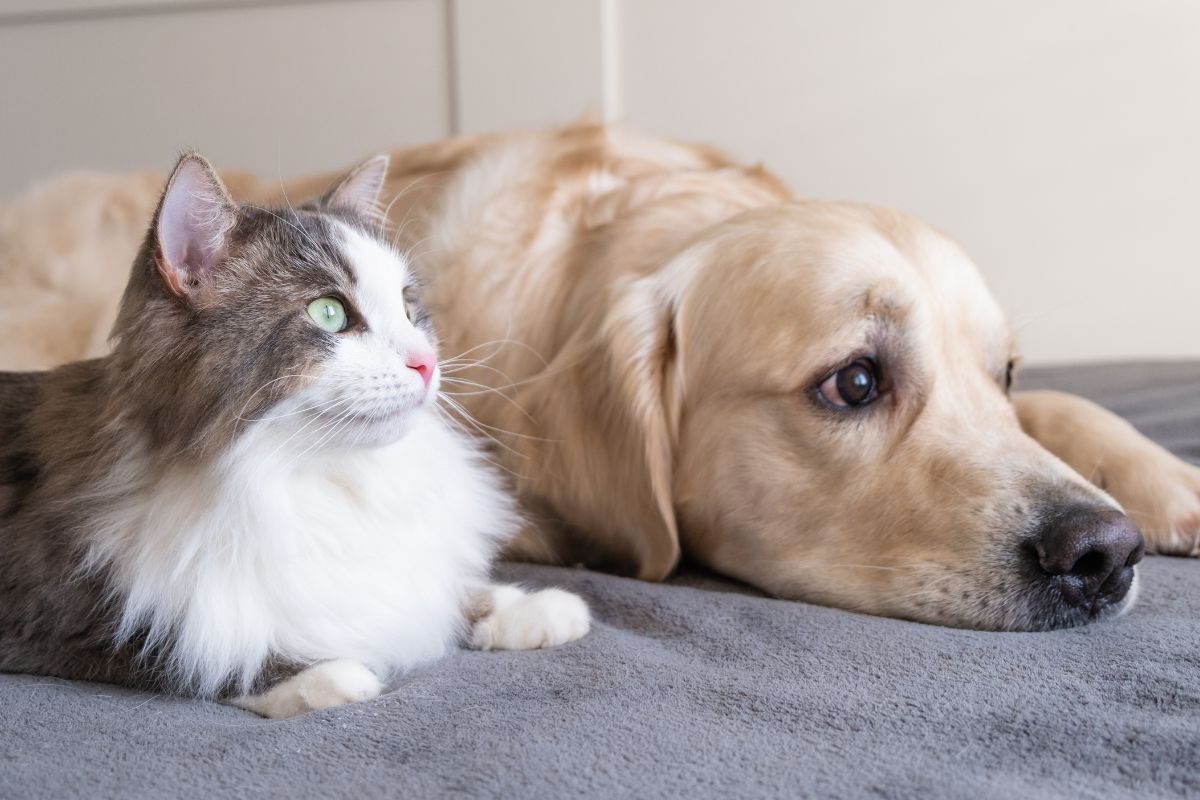
Pets can’t tell us when they don’t feel well, so they often communicate through changes in their behavior. While some shifts may seem minor or temporary, others can be early indicators of illness, pain, or an underlying medical condition. Recognizing these subtle signs can help pet owners seek veterinary care before a problem becomes more serious.
Dogs and cats are naturally skilled at hiding discomfort, particularly during the early stages of illness. Paying close attention to changes in their daily routines, appetite, energy level, and social interactions can make a significant difference in early diagnosis and treatment. In many cases, identifying unusual behaviors early leads to better health outcomes and a quicker recovery.
This guide explores the most common behavioral changes that may signal your pet is sick, why they happen, and when it’s time to schedule a veterinary visit.
Why Behavior Changes Should Never Be Ignored
Behavior is often one of the first things to change when a pet isn’t feeling well. Even before physical symptoms appear, a dog or cat may begin acting differently because of pain, illness, stress, or discomfort.
Early behavioral changes may indicate:
- Pain or injury
- Infection
- Digestive problems
- Dental disease
- Hormonal disorders
- Arthritis
- Neurological conditions
- Anxiety related to an underlying medical issue
Monitoring your pet’s normal habits helps you recognize when something isn’t right
A Sudden Drop in Energy
One of the earliest signs of illness is decreased energy.
You may notice your pet:
- Sleeping more than usual
- Losing interest in walks or play
- Becoming reluctant to climb stairs
- Moving more slowly
- Appearing tired throughout the day
While occasional rest is normal, persistent lethargy deserves veterinary attention. It may be associated with infections, anemia, heart disease, metabolic disorders, or chronic pain.
Changes in Appetite
Appetite often reflects overall health.
Watch for:
- Eating less
- Refusing favorite treats
- Difficulty chewing
- Increased appetite
- Drinking significantly more or less water
Reduced appetite can indicate dental disease, gastrointestinal illness, kidney disease, or other medical conditions. Increased hunger may sometimes be associated with endocrine disorders.
Hiding or Becoming Less Social
Many pets withdraw when they feel unwell.
Common changes include:
- Hiding under furniture
- Avoiding family members
- Sleeping in unusual places
- Reduced interaction
- Seeking isolation
Cats especially may become less social when experiencing pain or illness.
Increased Irritability or Aggression
A normally friendly pet may become defensive if they are uncomfortable.
Possible signs include:
- Growling
- Hissing
- Snapping
- Avoiding touch
- Reacting when certain areas are handled
Pain is one of the most common reasons for sudden aggression.
Restlessness or Difficulty Settling
Some illnesses cause pets to become unusually restless.
You might notice:
- Constant pacing
- Frequent position changes
- Inability to sleep comfortably
- Panting without exercise
- Whining during rest
These behaviors may indicate pain, abdominal discomfort, respiratory disease, or anxiety related to an underlying health problem.
Changes in Bathroom Habits
Alterations in urination or bowel movements should never be overlooked.
Signs include:
- Accidents indoors
- Straining to urinate
- Frequent urination
- Diarrhea
- Constipation
- Blood in urine or stool
These symptoms may signal urinary tract disease, digestive disorders, kidney problems, or infections.
Excessive Grooming or Reduced Grooming
Behavioral changes involving grooming can reveal medical concerns.
Dogs
Watch for:
- Constant licking
- Chewing paws
- Scratching excessively
- Hair loss
Cats
Notice if your cat:
- Stops grooming altogether
- Develops a greasy coat
- Overgrooms certain body areas
- Pulls out fur
These behaviors may result from allergies, parasites, arthritis, skin disease, or stress.
Vocalization Changes
Changes in vocal behavior can indicate discomfort.
Examples include:
- Excessive barking
- Whining
- Meowing more frequently
- Crying when moving
- Unusual nighttime vocalization
Older pets with cognitive decline may vocalize more often, while painful conditions can also increase vocalization.
Changes in Sleep Patterns
Pets that suddenly sleep much more, or much less, may be experiencing illness.
Look for:
- Sleeping during normally active hours
- Frequent waking
- Difficulty getting comfortable
- Restlessness at night
Sleep disturbances often accompany pain and chronic disease.
Loss of Interest in Favorite Activities
Healthy pets usually maintain interest in activities they enjoy.
A pet may be unwell if they suddenly stop:
- Playing
- Greeting family members
- Going for walks
- Chasing toys
- Exploring outdoors
Reduced enthusiasm is often one of the earliest signs that something has changed.
Unexplained Weight Changes
Behavioral changes sometimes accompany weight fluctuations.
Unexpected weight loss may indicate:
- Diabetes
- Kidney disease
- Cancer
- Digestive disorders
Weight gain may result from:
- Reduced activity
- Hormonal disorders
- Overfeeding
- Arthritis limiting exercise
Routine weight monitoring helps detect problems early.
Changes in Breathing Behavior
Breathing should always appear relaxed.
Warning signs include:
- Rapid breathing
- Persistent panting
- Labored breathing
- Open-mouth breathing in cats
- Coughing
Difficulty breathing requires prompt veterinary evaluation.
Confusion or Disorientation
Senior pets may develop cognitive changes, but sudden confusion should never be ignored.
Signs include:
- Getting stuck in corners
- Wandering aimlessly
- Forgetting familiar routines
- Difficulty recognizing family members
- Appearing disoriented
Neurological disorders and metabolic diseases can produce similar symptoms.
Behavioral Changes Caused by Pain
Pain often presents as subtle behavioral differences rather than obvious crying.
Signs include:
- Hesitating before jumping
- Reluctance to climb stairs
- Limping
- Sitting differently
- Reduced movement
- Avoiding touch
Many pets instinctively hide pain, making these subtle clues especially important.
When Behavioral Changes May Be Emotional
Not every behavioral change is caused by physical illness. Stress, anxiety, changes in routine, and environmental factors can also influence behavior. However, medical causes should always be ruled out first before assuming a problem is purely behavioral.
In some situations, veterinarians may recommend pet behavioral counseling after completing a thorough physical examination and diagnostic evaluation. This approach helps address anxiety-related behaviors while ensuring underlying medical conditions are not overlooked.
When Should You Contact Your Veterinarian?
Schedule a veterinary appointment if behavioral changes:
- Last more than 24 to 48 hours
- Continue to worsen
- Occur alongside vomiting or diarrhea
- Include appetite loss
- Affect breathing
- Involve sudden aggression
- Include difficulty walking
- Are accompanied by weight loss
- Result in urinary or bowel changes
Prompt evaluation often allows veterinarians to diagnose illnesses before they become more advanced.
How to Monitor Changes at Home
Keeping track of your pet’s daily routine can help identify subtle abnormalities.
Monitor:
- Eating habits
- Water intake
- Activity level
- Sleep schedule
- Bathroom habits
- Mood
- Weight
- Mobility
- Social interactions
Recording changes before a veterinary visit provides valuable information that can assist with diagnosis.
Supporting Your Pet’s Long-Term Health
Preventive healthcare remains one of the best ways to detect illness early.
Routine wellness visits help veterinarians:
- Monitor weight
- Detect chronic diseases
- Evaluate dental health
- Assess mobility
- Recommend laboratory screening
- Identify age-related health concerns before symptoms become severe
Early detection often improves treatment options and long-term outcomes.
Subtle behavioral changes are often your pet’s earliest way of signaling that something isn’t right. Whether it’s reduced energy, changes in appetite, unusual hiding, increased vocalization, or altered bathroom habits, these seemingly minor differences can point to underlying medical conditions that benefit from prompt attention. Monitoring your pet’s daily habits and seeking veterinary care when behaviors change can make a meaningful difference in their health and quality of life. If you’re in Farmington, NY and need guidance from a vet near you about changes in your pet’s behavior or overall health, schedule your appointment with Farmington Veterinary Hospital. Our team is committed to providing personalized care to help your companion stay healthy through every stage of life.
Frequently Asked Questions
Q1. What are the earliest signs that my pet may be sick?
Ans: Early signs often include reduced energy, changes in appetite, sleeping more than usual, hiding, increased thirst, unusual vocalization, or changes in bathroom habits. Even subtle behavioral differences can indicate an underlying medical condition.
Q2. Why does my dog suddenly seem less interested in playing?
Ans: A sudden loss of interest in play may result from pain, illness, arthritis, infection, or other medical conditions. If the behavior persists for more than a day or is accompanied by other symptoms, a veterinary examination is recommended.
Q3. Is hiding normal behavior for cats?
Ans: While some cats naturally enjoy quiet spaces, sudden or prolonged hiding can be a sign of pain, illness, stress, or injury. Any noticeable change in your cat’s normal behavior should be monitored closely.
Q4. Can behavioral changes occur before physical symptoms?
Ans: Yes. Many illnesses first appear as subtle behavioral changes before obvious physical signs develop. Early veterinary evaluation can help identify health issues before they become more serious.
Q5. How long should I wait before contacting a veterinarian about behavior changes?
Ans: If behavioral changes last more than 24 to 48 hours, worsen over time, or occur alongside vomiting, diarrhea, breathing difficulties, or appetite loss, your pet should be evaluated promptly.
Q6. How can routine wellness exams help detect illness early?
Ans: Regular wellness visits allow veterinarians to monitor your pet’s overall health, identify subtle changes, perform recommended screenings, and diagnose medical conditions before they progress, improving the chances of successful treatment.