Millions of companion animals experience allergic reactions to environmental triggers each year, yet their owners often misidentify the root cause. Here’s something important to understand: while people typically sniffle and sneeze when allergies strike, our four-legged friends usually manifest these reactions through persistent skin irritation and unusual behaviors. Recognizing whether your pet is dealing with seasonal allergies versus another medical issue ensures they receive proper care promptly. Additionally, pinpointing specific triggers allows you to create a safer, more comfortable living environment throughout challenging seasons.
Understanding Seasonal Allergies in Dogs and Cats
When we talk about seasonal allergies in companion animals, we’re describing a condition where their immune systems mistakenly identify harmless environmental particles as dangerous invaders. This misguided defensive response creates inflammation and triggers various uncomfortable reactions.
Your pet might react to numerous airborne particles, including:
- Tree, grass, and weed pollen: Different plants release pollen during specific months
- Outdoor mold: Flourishes in humid, wet environments
- Seasonal dust accumulation: Increases when windows stay closed or open depending on weather
- Specific plant materials: Like ragweed, which peaks during the autumn months
These allergic responses follow nature’s calendar rather than appearing constantly. Springtime often means tree pollen challenges, summertime brings grass-related issues, and autumn introduces weed pollen alongside mold growth. Tracking these natural rhythms helps you prepare for your companion’s vulnerable periods.
Here’s a surprising fact: animals can suddenly develop these sensitivities at virtually any life stage. Most commonly, initial symptoms emerge between the ages of one through three, though some pets don’t react until their senior years.
Recognizing the Warning Signs in Your Furry Companion
Spotting allergy indicators quickly means your pet suffers less and recovers faster. Pay close attention to these revealing behaviors and physical changes:
Physical Skin Indicators
Persistent scratching behavior: Your companion repeatedly focuses on specific body zones, especially foot pads, underside, ear areas, and facial regions.
Visible skin inflammation: Pink or crimson patches appear, concentrated in armpit zones, groin areas, and between toe pads.
Thinning coat or bare patches: Continuous scratching or grooming creates noticeable fur loss in affected areas.
Moist skin lesions: Painful, weeping sores emerge from relentless scratching combined with bacterial colonization.
Secondary infection development: Compromised skin allows bacteria or yeast to establish problematic infections.
Head and Breathing-Related Signs
Repeated sneezing episodes: Multiple sneezes in succession, especially noticeable in feline companions, point toward nasal passage irritation.
Tear production increases: Clear liquid draining from eye corners suggests allergic eye inflammation.
Recurring ear troubles: Repeated ear problems featuring redness, unpleasant smell, or drainage indicate underlying allergies.
Constant face contact: Your companion scrubs their face against flooring, upholstery, or outdoor surfaces seeking itch relief.
Temperament and Activity Shifts
Unusual restlessness: Discomfort disrupts normal resting periods and prevents comfortable settling.
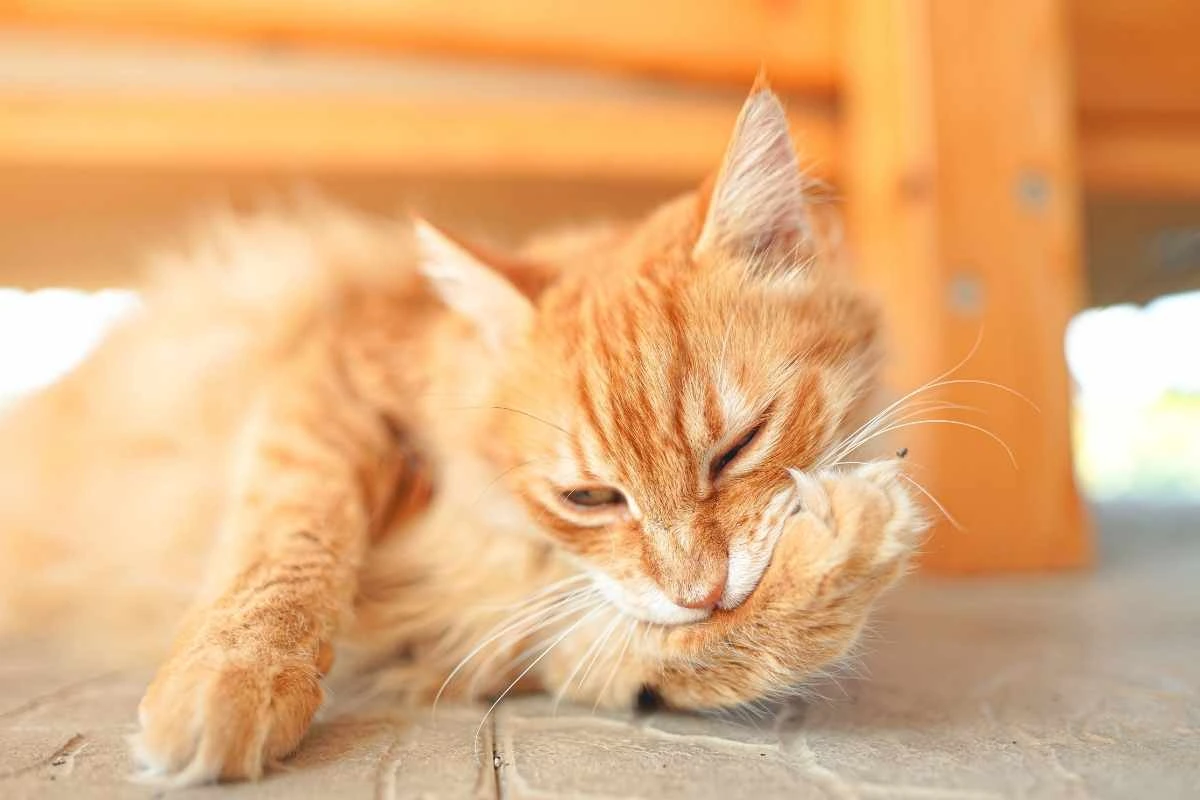
Compulsive paw grooming: Obsessive attention to foot pads, particularly between individual toes, reveals significant itchiness.
Reduced enthusiasm: Ongoing irritation diminishes your pet’s interest in favorite activities and playtime.
Notice how these manifestations typically intensify when allergen levels peak outdoors. Conversely, they might diminish considerably during colder months when triggering substances decrease naturally.
Distinguishing Allergies from Similar Health Problems
Multiple health concerns produce symptoms resembling seasonal allergies, which is why accurate identification matters tremendously:
Flea Sensitivity Reactions
Flea bite hypersensitivity creates concentrated itching, primarily affecting the rear end and tail base region. Examining your pet’s coat often reveals tiny dark specks indicating flea presence.
Microscopic Parasite Problems
Mange-causing mites and similar parasites trigger extreme itchiness. These problems don’t align with seasonal timing and generally produce characteristic skin appearance changes.
Microbial Skin Conditions
Though infections sometimes develop secondary to allergies, they also arise independently. Bacterial or fungal problems usually generate distinctive odors, drainage, and concentrated swelling requiring targeted antimicrobial therapy.
Direct Irritant Reactions
Touching aggravating substances like yard treatment chemicals produces confined reactions. Symptoms manifest soon after contact and resolve when the irritant gets avoided.
When symptoms continue regardless of season or don’t improve with standard allergy approaches, veterinary consultation becomes essential. Accurate diagnosis through professional assessment and potentially specialized testing guarantees suitable treatment selection.
Professional Diagnosis Methods
Veterinary teams employ various approaches to confirm environmental allergies:
Thorough physical assessment: Your veterinarian evaluates skin health, ear condition, and symptom severity during detailed examination.
Timeline and pattern discussion: Talking through when symptoms appear, their intensity fluctuations, and past treatment responses reveals seasonal connections.
Exclusion of other causes: Testing for parasites, infections, and conducting food trials eliminates alternative explanations.
Specific allergen identification: Specialized blood analysis or intradermal testing pinpoints exact environmental substances triggering reactions.
For persistent scratching and sneezing concerns, the animal hospital Farmington offers thorough allergy evaluation services to identify specific triggers and create personalized management strategies.
Proven Relief Strategies for Suffering Pets
Numerous therapeutic approaches successfully manage seasonal allergy discomfort:
Pharmaceutical Options
Antihistamine medications: Prescription or veterinary-approved antihistamines decrease itching and reduce inflammatory responses effectively.
Corticosteroid therapy: Brief steroid courses rapidly control acute symptoms, though extended use demands careful veterinary oversight.
Modern itch-specific drugs: Contemporary options like Apoquel or Cytopoint directly block itch signals without traditional steroid concerns.
Antimicrobial treatments: Addressing bacterial or fungal complications resolves problems created by scratching-damaged skin.
Skin-Applied Solutions
Therapeutic bathing products: Frequent washing with gentle or medicated formulations removes allergen particles while calming irritated skin.
Hydrating skin sprays: Applied treatments rebuild protective skin barriers and alleviate discomfort.
Ear maintenance solutions: Routine cleaning prevents the ear infections commonly accompanying allergic conditions.
Home Environment Adjustments
Minimize outdoor time: Keep companions inside during high-pollen periods, usually dawn and dusk hours.
Post-walk cleaning routine: After outside adventures, gently wipe your pet’s coat and paws with moistened cloths, removing allergen particles.
Indoor air quality improvement: Deploy HEPA filtration systems to substantially decrease airborne allergen concentrations.
Frequent bedding laundering: Wash pet beds weekly using hot water cycles to eliminate collected allergens.
Nutritional Support Strategies
Essential fatty acid supplementation: Fish oil products naturally support healthy skin function and decrease inflammation.
Beneficial bacteria supplements: Digestive health impacts immune regulation and might reduce allergic tendencies.
Long-Term Desensitization
For severe situations, immunotherapy involving gradual allergen exposure through injections or oral administration progressively retrains immune responses. This extended approach can dramatically minimize or even eliminate symptoms over months to years.
Knowing When Professional Help Is Needed
Contact Farmington Veterinary Hospital or your regular veterinary provider when observing:
- Discomfort continuing beyond several days
- Aggressive scratching creates open wounds or bleeding
- Infection indicators (foul smell, discharge, extreme redness)
- Personality changes or withdrawn behavior
- Symptoms disrupting normal eating or rest patterns
- Previously effective treatments no longer work
Prompt professional attention prevents serious complications and enhances recovery success. Furthermore, unmanaged chronic allergies cause irreversible skin damage over time.
Identifying pet seasonal allergies represents your crucial first step toward relieving suffering and restoring your companion’s happiness. Though scratching and sneezing might indicate various problems, understanding environmental allergy characteristics guides you toward appropriate professional care.
Frequently Asked Questions
Q1: Do exclusively indoor pets get seasonal allergies?
Ans: Definitely. Environmental allergens drift indoors through open windows, doorways, and attach to human clothing and shoes. Pets living entirely indoors develop seasonal allergic reactions similarly to outdoor pets, though severity might be reduced.
Q2: Do specific breeds face higher allergy risks?
Ans: Yes. Certain breeds, including Golden Retrievers, Bulldogs, Boston Terriers, and West Highland White Terriers, demonstrate increased allergy susceptibility. For cats, outdoor exposure matters more than breed, although any feline can develop sensitivities.
Q3: What’s the typical duration of seasonal allergy reactions?
Ans: Duration varies based on allergen exposure periods. Spring tree pollen might affect pets for 6-8 weeks, whereas summer grass allergies could continue throughout warmer months. Some animals experience consecutive allergy seasons with symptoms spanning multiple months.
Q4: Are over-the-counter human allergy pills safe for pets?
Ans: Certain human antihistamines work safely for animals, but appropriate dosing differs dramatically from human amounts. Never administer any medication without veterinary approval, since some common ingredients prove toxic to pets.
Q5: Might my pet eventually outgrow these allergies?
Ans: Regrettably, environmental allergies rarely resolve spontaneously in companion animals. Symptoms generally intensify progressively without intervention. Fortunately, appropriate management maintains comfort for most pets during challenging seasons.
Q6: Can seasonal allergies be permanently cured?
Ans: No absolute cure exists currently, though immunotherapy offers the nearest solution by gradually retraining immune responses. Most companions need continuous management combining medications, environmental modifications, and supportive care for sustained comfort.